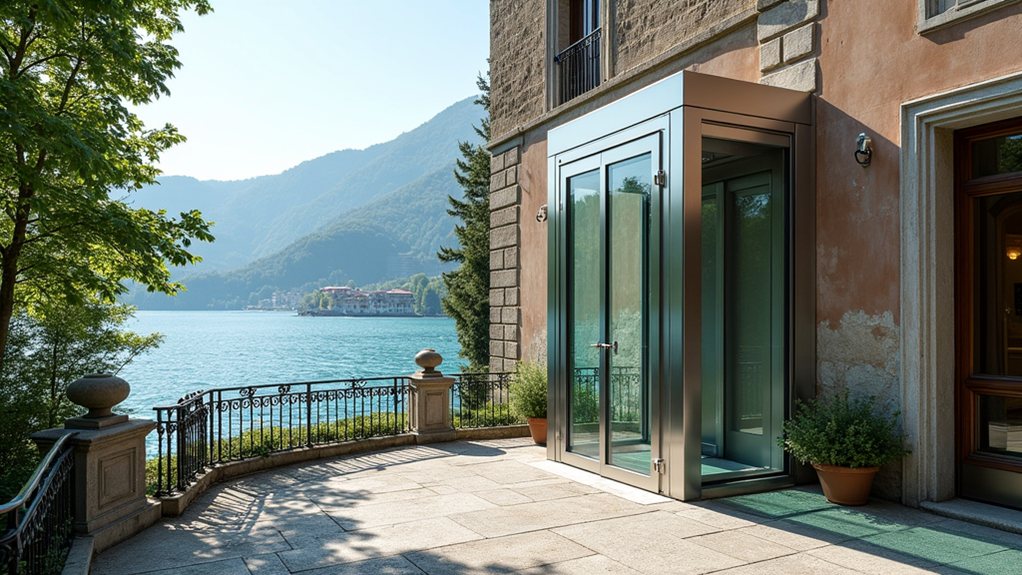

For many residents and visitors, the thought of gliding up to their Lake Como condo in a shiny new external elevator sounds like a dream come true—especially for those who find stairs to be more of a mountain than a molehill.
In a picturesque location where cobbled paths and grand staircases are the standard, the installation of an external elevator can mean the difference between daily struggle and effortless accessibility, particularly for individuals with reduced mobility. The desire for independence and comfort is easy to understand, but turning this wish into reality in Lake Como involves a few more steps than simply pressing a button. Many people are drawn to Lake Como towns for their unique charm and vibrant community life.
The process begins with the condominium residents themselves. Before any installation work can start, there’s an approval process that’s almost as important as the elevator mechanics. Italian law requires a meeting of the condominium residents, where the proposal for an external elevator is discussed and voted on.
Everything starts with the residents—no elevator rises in Lake Como without a community vote and thoughtful discussion.
At least half of those attending must give a thumbs-up for the project to move forward. This system aims to balance the needs of those seeking better accessibility with the interests of everyone living in the building. If residents can’t reach an agreement within three months, however, individuals are allowed to take matters into their own hands and install an elevator at their own expense—so long as they follow the proper notifications and procedures.
But that’s not the end of the story. In Lake Como, where every street whispers stories from the past, architectural regulations play a starring role. Any installation must pay careful attention to the preservation of historical integrity.
No one wants to see the charm of a centuries-old façade overshadowed by an elevator that looks more like a space pod than a tasteful addition. Local zoning codes also come into play, ensuring that the elevator’s construction fits within existing city plans and doesn’t cause traffic jams or block beautiful lake views.
Despite these hurdles, Italian law encourages making spaces more accessible. Legal provisions are designed to help, not hinder, the installation of features like external elevators. Residents must simply notify the proper authorities and follow building codes, including understanding the rent registration process that ensures compliance with local regulations.
In the end, the process is detailed but fair, allowing Lake Como to remain both stunningly beautiful and increasingly accessible. For those dreaming of gliding up to their condo, it’s a journey worth taking—stairs optional, but optimism required.