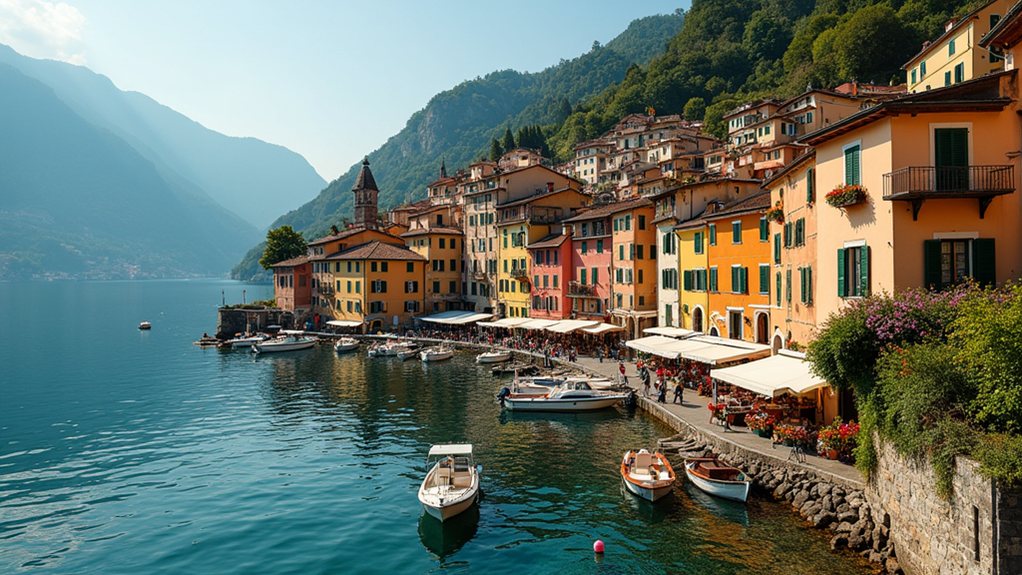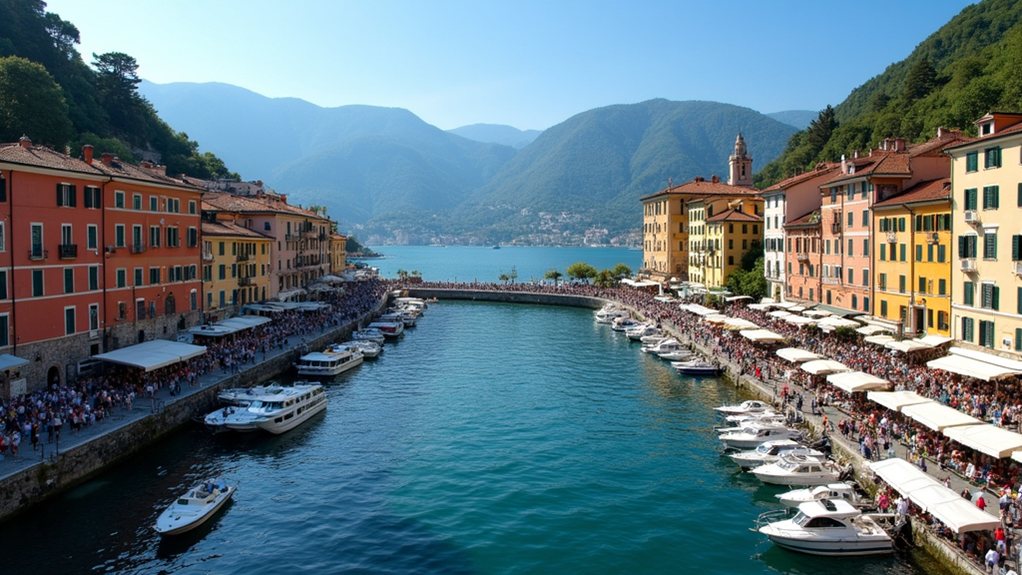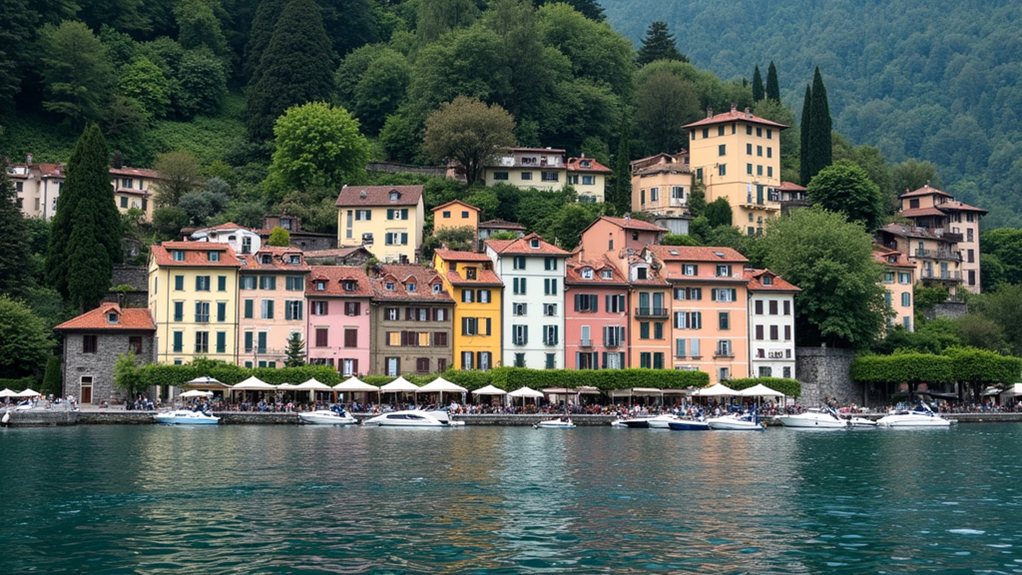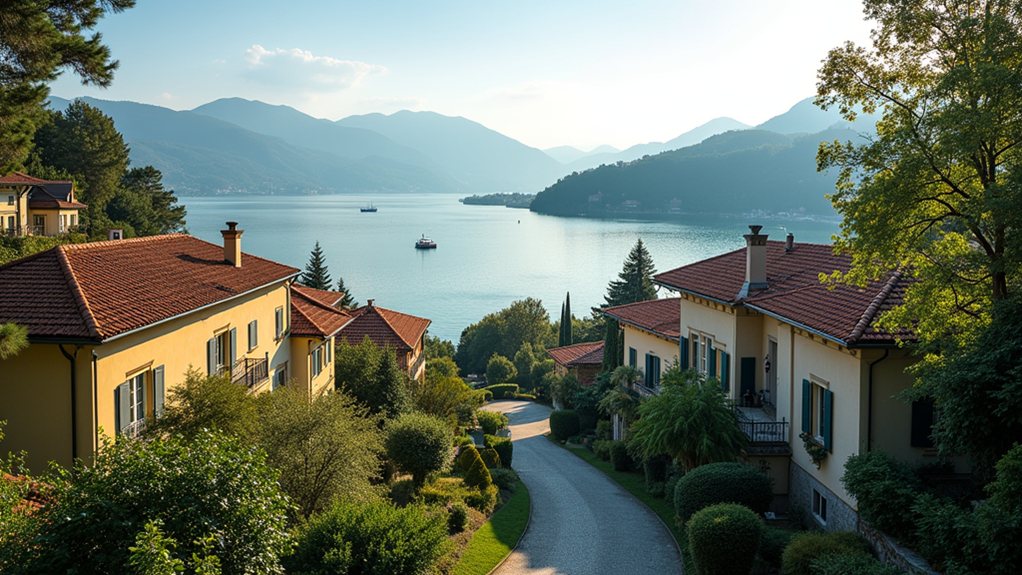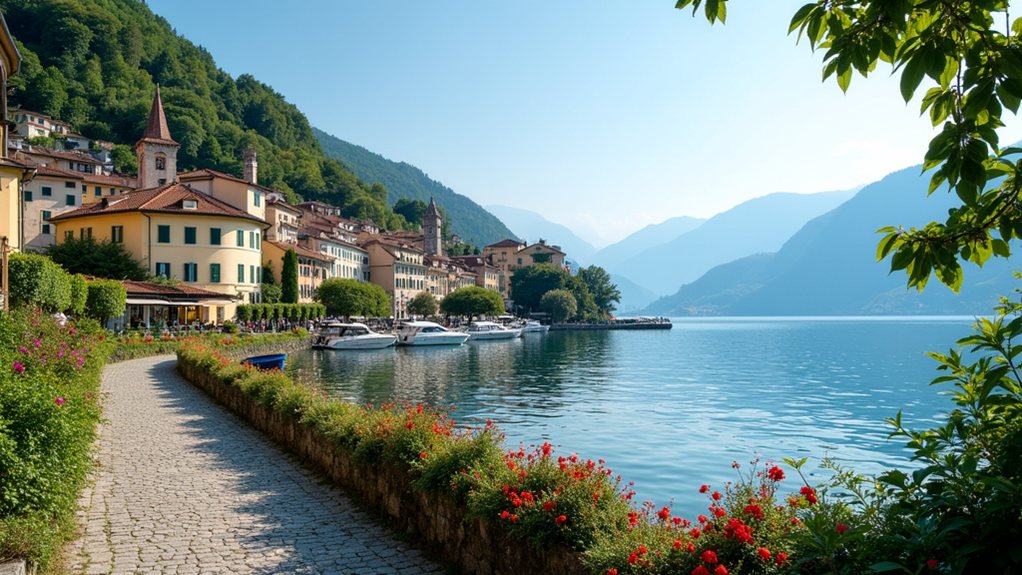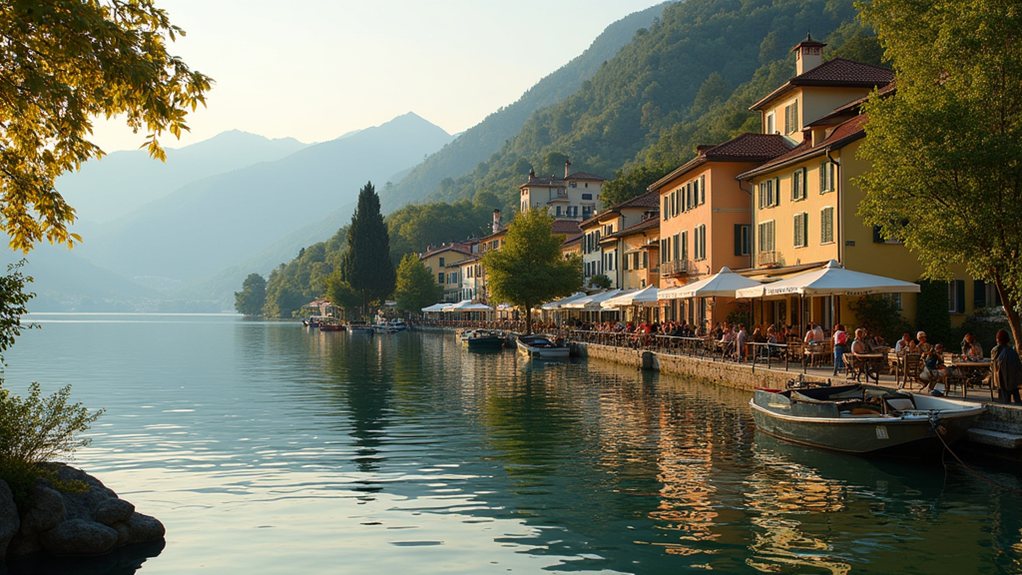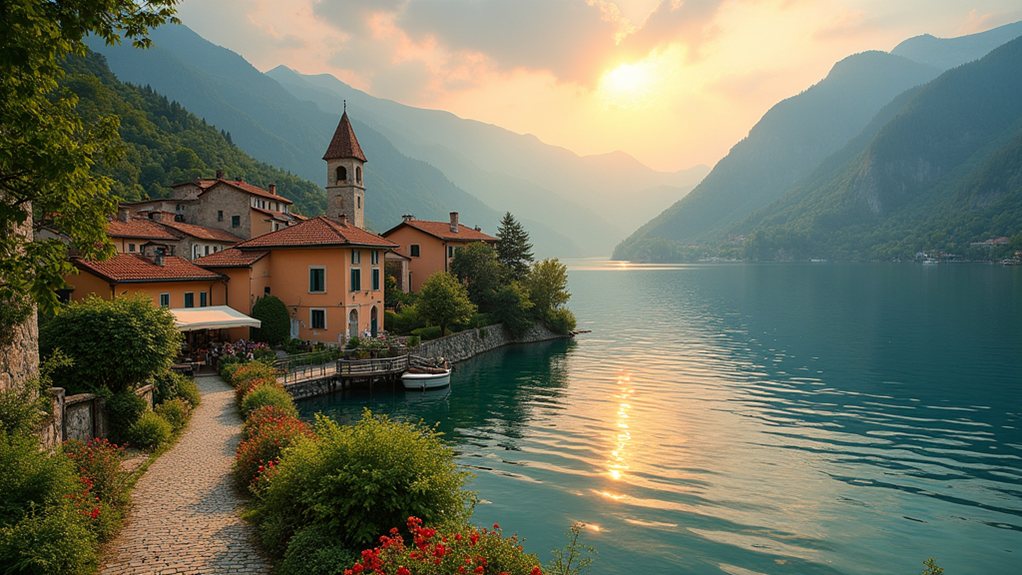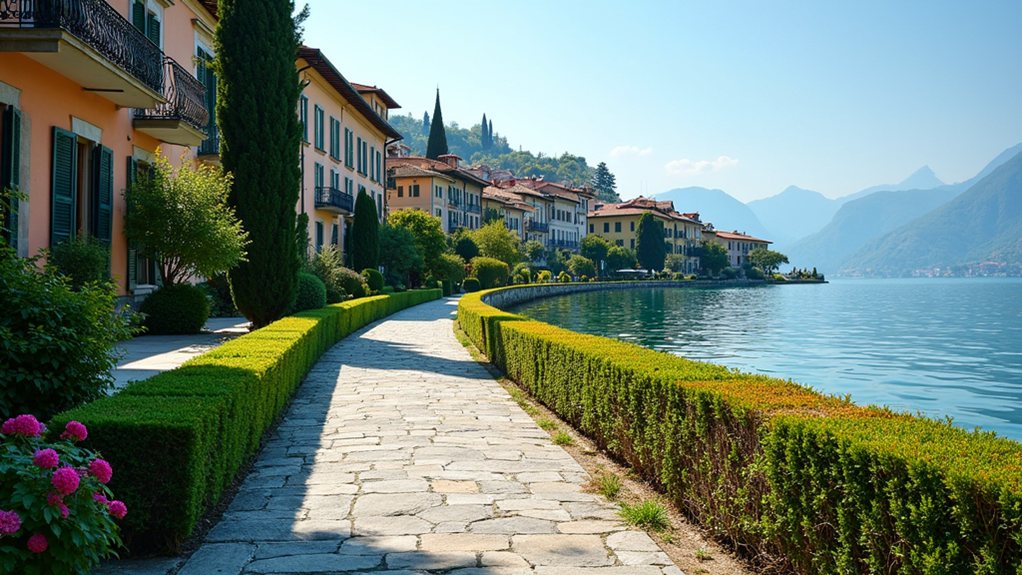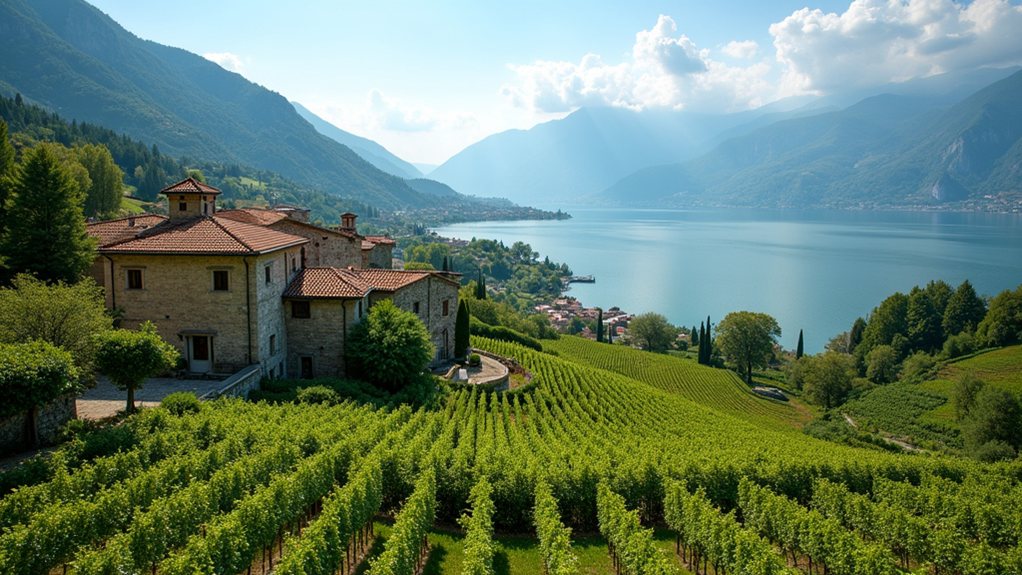
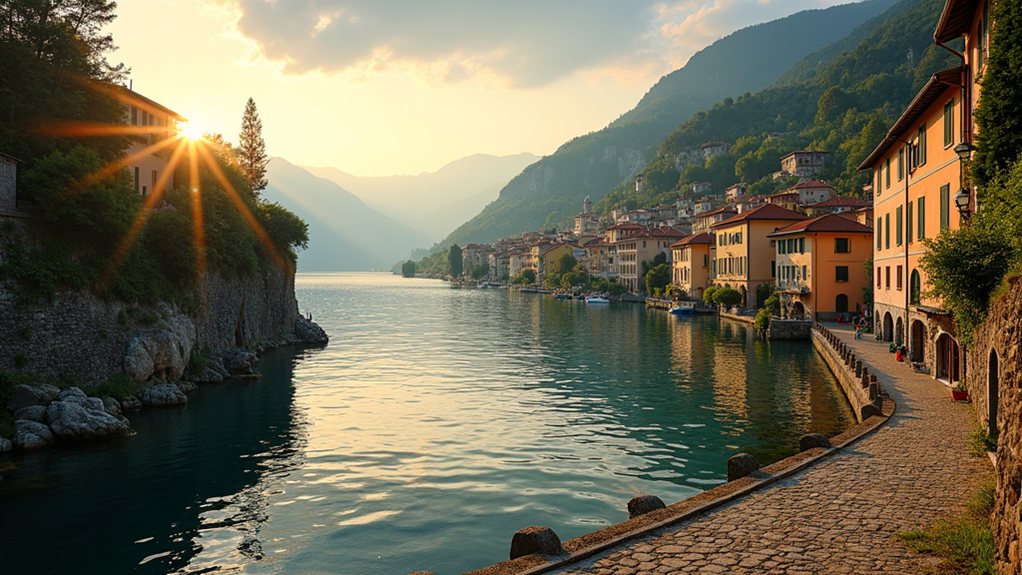
Rolling green hills and sparkling waters set the stage for a unique experience near Lake Como, where agritourism and rural housing are quickly gaining popularity. This picturesque region, known for its breathtaking landscapes and historic charm, is now drawing visitors who seek more than just scenic views—they want to experience authentic rural life and support sustainable tourism. Establishments like Al-Marnich are leading the way, inviting guests to stay in beautifully restored farmhouses nestled among the hills, where eco-friendly practices are more than just a marketing buzzword—they are a way of life. Many of these properties are situated in areas where average property prices are comparatively lower, making them accessible for potential investors.
Agritourism here is not just about sleeping in the countryside; it’s about connecting with a community that values sustainability. Many of these rural housing projects work closely with organizations like WWF to guarantee their operations are kind to the environment. This means solar panels on rustic roofs, careful waste management, and an emphasis on preserving the natural beauty that makes Lake Como famous. Guests who choose this type of tourism often find themselves helping in the garden, learning about composting, or even cooking with ingredients straight from the farm. Eco-friendly practices aren’t just good for the earth—they’re fun and make every stay feel special.
One of the biggest draws is the local food heritage. Who could say no to fresh cheese, homemade jam, or bread baked that morning? Agritourism supports local producers by featuring regional specialties on their menus and selling artisanal products onsite. This helps maintain the economic viability of rural housing, as money spent by tourists goes directly to farmers, bakers, and craftspeople in the community. The result is a delicious win-win: visitors enjoy unique flavors while supporting the local economy.
The impact of agritourism goes beyond the dinner table. As more travelers seek out these experiences, there’s been a noticeable revitalization of rural homes that might have otherwise been abandoned or neglected. Old stone buildings are lovingly restored, keeping the area’s architectural heritage alive, and creating sustainable jobs for locals. Additionally, towns like Varenna benefit from the reduced tourist traffic that allows for a more authentic experience, enhancing the appeal of agritourism.
Tourists leave with a greater appreciation for the region’s traditions and culture, often returning home with stories of their hands-on adventures and new friendships formed over shared meals.
In Lake Como, agritourism and rural housing are more than trends—they are a celebration of community, sustainability, and the simple joys of life. It’s a setting where everyone, from guests to locals, can find something meaningful, whether it’s a taste of homemade honey or the satisfaction of supporting true revitalization.