
To rent a home in Lake Como, one needs a valid passport or national ID, a Codice Fiscale (which is Italy’s tax code), and proof of income such as bank statements or pay stubs. Rental references, an employment verification letter, and sometimes a personal guarantor can smooth the process. Families, pet owners, and non-EU citizens might need extra paperwork, from birth certificates to pet vaccination records. If you’re curious about which documents apply to your situation, the next steps will make things clearer!
Key Takeaways
- A valid passport or national ID card is required for all renters.
- You must present your Italian tax code (Codice Fiscale) for the rental contract.
- Proof of income, such as recent bank statements or pay stubs, is necessary.
- Rental references or a guarantor may be requested, especially for foreign nationals.
- Non-EU citizens need to show visas or residence permits alongside identity documents.
Checklist: Required Documents to Rent in Lake Como

When setting out to rent a home in Lake Como, a handful of key documents will make the journey smooth and stress-free—think of them as your ticket to enjoying lakeside living.
Prospective tenants should have their passport ready, along with a valid Codice Fiscale, which is essential for property renting in Italy. Understanding rental agreements is also crucial, as knowing what to expect can help you avoid common pitfalls and ensure your contract meets local standards.
Proof of funds, such as recent bank statements, assures landlords of financial stability. A rental contract or a rental proposal outlines the agreement, including payment details.
Identification for any guests is needed, as registering them with local authorities is a legal obligation.
It’s also important to familiarize yourself with local rental market expectations and legal requirements, as these can affect the documents you’ll need and the process of securing a home.
With these, renting becomes a breeze.
Proof of Identity: Passports and National IDs

A passport or national ID card is more than just a travel companion—it’s the golden ticket needed to open the doors to a new home in Lake Como.
For anyone seeking to rent, proof of identity is essential. Landlords and property managers will ask to see a valid passport or national ID, which helps confirm who’s really moving in. Foreign renters should check that their passport won’t expire during the rental agreement. If you’re considering joining the local community, you’ll find that having proper identification is also key to fully integrating into Menaggio’s year-round lifestyle.
Copies of these identity documents are often kept for local registration, especially in short-term rentals. Expats may also obtain a Codice Fiscale simultaneously by presenting their identity documents. It’s also important to understand the rent registration process, as providing valid identification is often the first step toward complying with local rental regulations and ensuring your agreement is legally recognized.
Financial Documentation: Income and Employment Verification

Before anyone can call a Lake Como rental their new home, showing that they can comfortably afford it is a must.
Landlords typically ask for proof of income—think recent pay stubs or bank statements that reveal a stable financial situation. Employment verification, such as a letter confirming your job and salary, is also key. It’s also important to factor in local real estate prices and how they might impact your overall budget.
Self-employed? Tax returns or business financial statements are your best friends. Most rental agreements require a minimum income, often three times the rent.
For those new to Italy or with a short work history, having a guarantor can help smooth the path to approval. If you’re considering a long-term stay, it’s helpful to understand seasonal fluctuations in rental prices so you can plan your finances accordingly.
Rental References and Background Checks

Gaining access to a dream home in Lake Como often starts with a bit of paperwork magic—rental references and background checks are the real keys here.
Landlords want proof of timely payments, so strong rental references from past landlords or property managers help a lot. Background checks dig into rental history, credit, and employment. Foreign renters might need a personal guarantor just in case, adding extra reassurance. It’s helpful to familiarize yourself with tenant rights to avoid misunderstandings and ensure you’re protected during the rental process.
Rental applications usually ask for identification, a tax ID (Codice Fiscale), and sometimes a character reference. Documents showing proof of income, like pay stubs, round out the application, ensuring every box is checked. It’s also crucial to understand local rental laws, as missing this step can lead to unexpected expenses and common pitfalls for tenants in Lake Como.
Short-Term vs. Long-Term Rental Documents

Two rental experiences in Lake Como can feel worlds apart, thanks to the different documents needed for short-term and long-term stays.
For a short-term rental, hosts must collect guest identification and promptly register it with local authorities—think of it as your official “hello!” to the town. Short-term rentals also fall under the Cedolare Secca taxation regime, requiring specific documentation for tax purposes. It’s also helpful to be aware of local customs and laws before signing any short-term agreement, as this knowledge can help prevent misunderstandings and ensure a smoother stay.
In contrast, long-term property rentals demand a detailed rental agreement outlining payment, duration, and responsibilities. Tenants must provide identification, proof of income, and sometimes a tax ID.
Renters should also be aware of security deposit rules, which outline legal limits and return conditions to help prevent disputes with landlords.
Each type of rental has its own documentation adventure!
Extra Paperwork for Families, Pets, and Non-EU Citizens
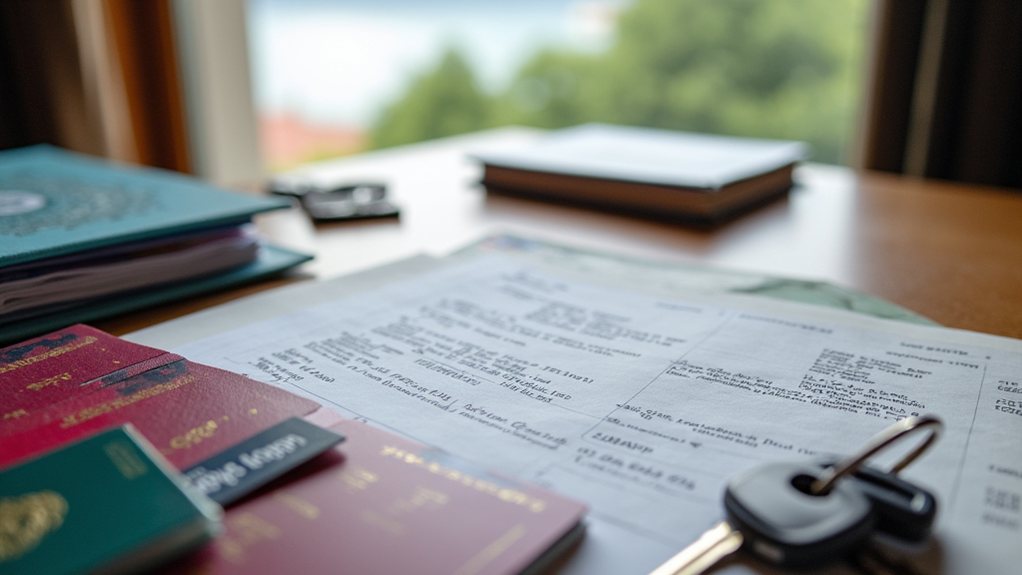
While the dream of moving to Lake Como can make anyone’s heart skip a beat, the paperwork—especially for families, pet owners, and non-EU citizens—adds a few extra steps to the adventure.
Families should gather documents like children’s birth certificates and school proof to help with local registration.
Pet lovers, don’t forget those precious veterinary records and vaccination certificates, since landlords often want reassurance about furry tenants.
Non-EU citizens need passports, visas or permits, and a Codice Fiscale for lease agreements.
To seal the deal, all renters must show proof of financial stability, sometimes alongside additional documentation or references.
Frequently Asked Questions
What Documents Do I Need to Rent an Apartment in Italy?
To rent an apartment in Italy, applicants typically provide identification documents, income verification, residency permits, reference letters, employment contracts, banking statements, rental history, and sometimes personal guarantors. Rental agreements must comply with legal requirements to guarantee both parties’ protection.
Can a Foreigner Rent a House in Italy?
Yes, a foreigner can rent a house in Italy. Foreign ownership is not required; rental agreements must meet legal requirements, residency permits are unnecessary, but understanding local laws, rental applications, cost considerations, and property management is essential.
Can I Buy a House in Italy as a Non-Resident?
A non-resident can buy a house in Italy, subject to property ownership and legal requirements. Residency status is not mandatory; however, investment opportunities, financial regulations, taxation implications, mortgage options, and adherence to local laws shape the purchase process.
Is It Easy to Rent a House in Italy?
Though some may imagine intimidating Italian laws, home rental in Italy is generally straightforward. Maneuvering lease agreements, property agents, and housing regulations is eased by local customs, while tenant rights, cost considerations, and home inspections guarantee transparency in the rental market.
Conclusion
With passports in hand, income proof ready, and references lined up, future Lake Como renters set the stage for a smooth move. Whether planning a cozy getaway or a years-long adventure, each document opens new doors, each signature brings fresh possibilities. From families with pets to globe-trotting newcomers, everyone can find their place. In the world of Lake Como rentals, a little paperwork is the key to revealing breathtaking views—and maybe a few pasta nights, too!