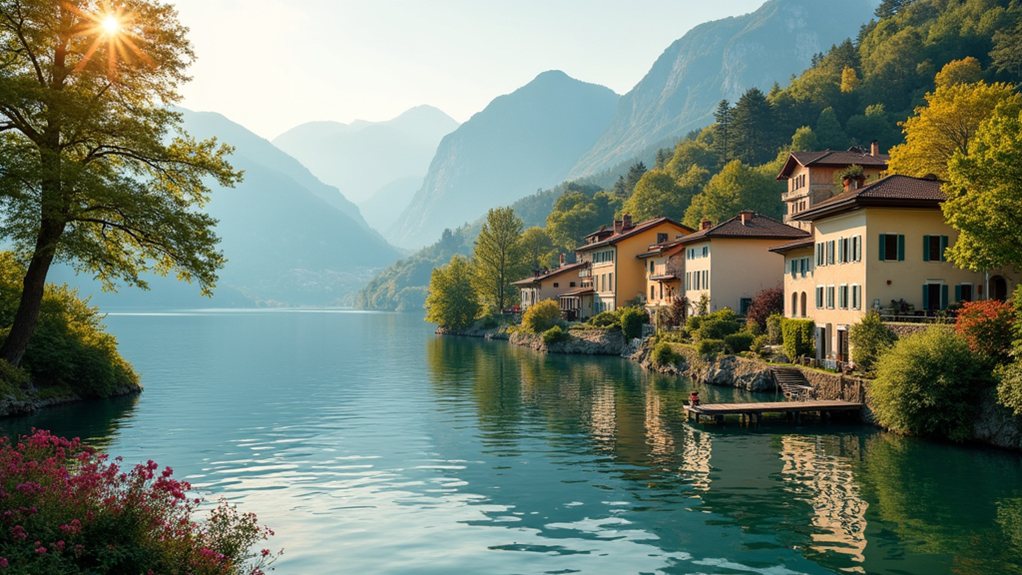
Tourism, with all its bustling energy and promise of adventure, has an unexpected side effect in many cities: it puts a surprising amount of pressure on local housing**. When travelers flock to vibrant destinations, enthusiastic for a slice of local life, they don’t just impact souvenir shops and restaurants—they influence where people can live and how much it costs to live there.
In cities like Milan, the explosion of short-term rentals, largely thanks to platforms such as Airbnb, has been closely linked to rising housing prices. These short-term rentals often mean that apartments which might have housed local families are instead turned into temporary stays for tourists. As a result, the familiar faces in a neighborhood can quickly be replaced by a rotating cast of suitcase-toting visitors.
Apartments once home to locals now become temporary tourist stops, changing neighborhoods as short-term rentals drive up housing prices.
This shift gets even more noticeable in areas with high tourism intensity. In these neighborhoods, the demand for apartments shoots up as tourists and investors look to snap up properties. Family homes, curiously, are less affected by this trend—perhaps because tourists rarely want a two-story house in the suburbs when a downtown apartment puts them right in the action.
But for locals hoping to rent or buy in the city center, things get tough. The more tourists arrive, the more investors see an opportunity, and property purchases for profit become common. As apartments disappear from the long-term rental market, housing shortages worsen, making it harder for residents to find an affordable place to live. Understanding local laws and rental regulations is essential for navigating this challenging landscape.
Adding to the mix are digital nomads—those adventurous souls who can work from anywhere as long as there’s Wi-Fi and good coffee. While they bring energy and spending power, they also increase competition for short-term rentals, especially in cities known for low living costs.
In places already struggling with housing shortages, this new wave of remote workers can compound the crisis, pushing housing prices even higher and squeezing local markets even more. The high demand from tourists creates an intense competition landscape, making it increasingly difficult for locals to secure long-term rentals.
Cities aren’t just sitting back and watching this happen, though. Many are rolling out regulatory measures, such as putting limits on short-term rental licenses or introducing tourist taxes, all in hopes of protecting local housing affordability.
These efforts aim to balance the excitement of tourism with the needs of the people who actually call these places home. While no single solution fits all, the ongoing search for ways to keep neighborhoods vibrant, affordable, and welcoming continues, proving that even the world’s most popular destinations must look after their own.**