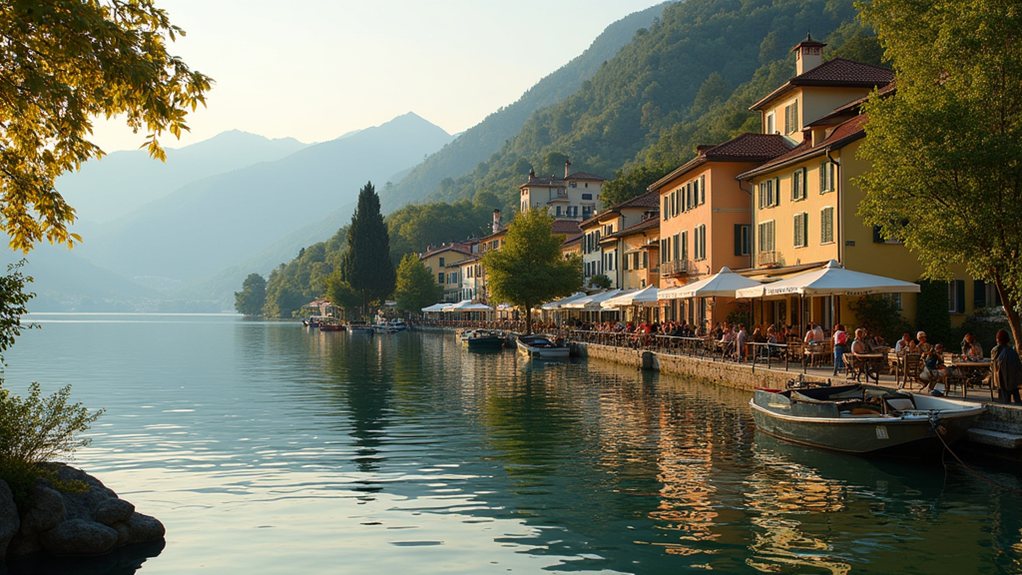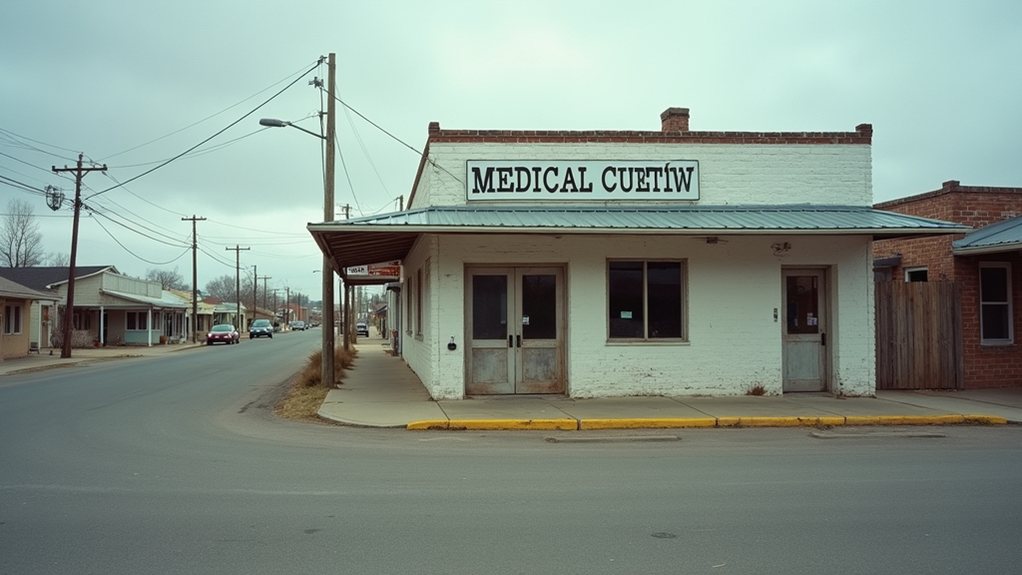

A wave of concern has swept through the community following the closure of Mandello Medical Service, a once-reliable source of healthcare for local residents. The sudden loss of this facility has many people wondering where they will go the next time they need a doctor, a prescription refill, or even a quick check-up.
Healthcare access, already a challenge for many, has become even more uncertain, especially when considering recent data from Greece showing that almost half of individuals face barriers to getting medical consultations. For some, it feels like trying to catch a bus that never shows up—frustrating and, at times, a little unfair. The high demand from tourists for local services exacerbates these issues, leaving residents feeling neglected.
Getting medical care now feels like waiting for a bus that never comes—uncertainty and frustration at every turn.
With Mandello Medical Service gone, residents now have fewer options for medical care, which could mean longer waiting times for both consultations and essential diagnostic tests. Waiting, as many know, is not just an inconvenience; it can sometimes mean the difference between catching a problem early or letting it grow worse.
Increased waiting times are already a well-known issue in Greece, where nearly half of healthcare users have reported delays in seeing a doctor. The situation in Mandello echoes this broader trend, making people worry about how these delays might affect their overall health.
As local healthcare options shrink, people might find themselves turning more often to private healthcare, which isn’t always easy on the wallet. In Greece, three out of every four diagnostic tests are performed at private laboratories, and this reliance can be tough for those without robust health insurance or with limited finances.
Socioeconomic factors play a big role here—those with fewer resources may have to put off care, skip necessary tests, or avoid seeking help altogether. It’s a little like being told you can eat at a restaurant, but only if you can afford the menu.
The closure also raises concerns about the availability of public health services, including mental health services, which are often the first to feel the pinch when resources are stretched thin. Without local options, some people may not get the help they need for anxiety, depression, or other mental health challenges, potentially leading to greater problems down the road.
All these changes show how the closure of one facility can ripple through a community, affecting not just immediate access to care, but the overall health and well-being of everyone involved. It’s a reminder of how important accessible healthcare is—and how much communities depend on services like Mandello Medical Service. Additionally, the situation reflects a broader trend of high real estate costs that can further complicate access to necessary services in the region.