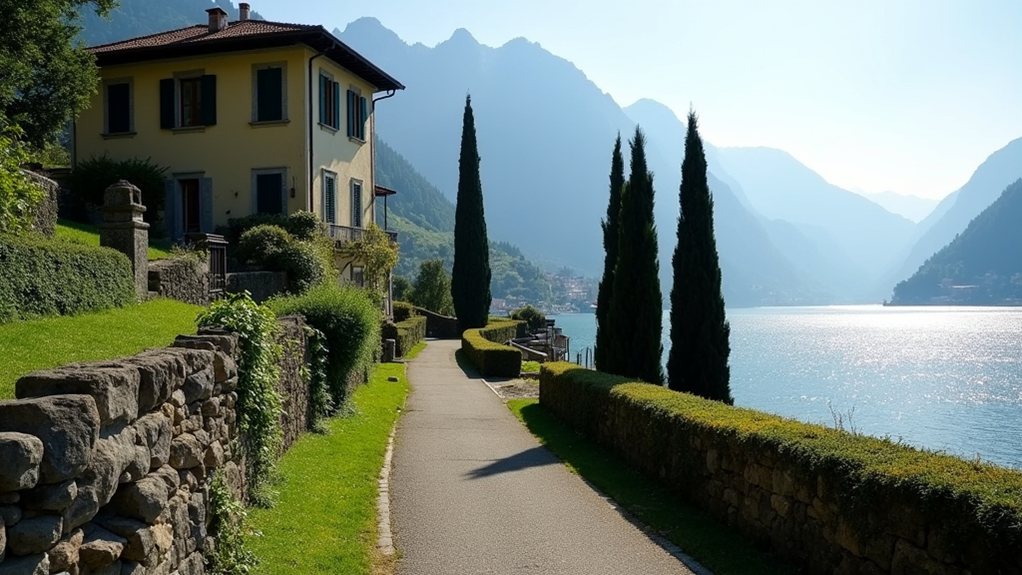
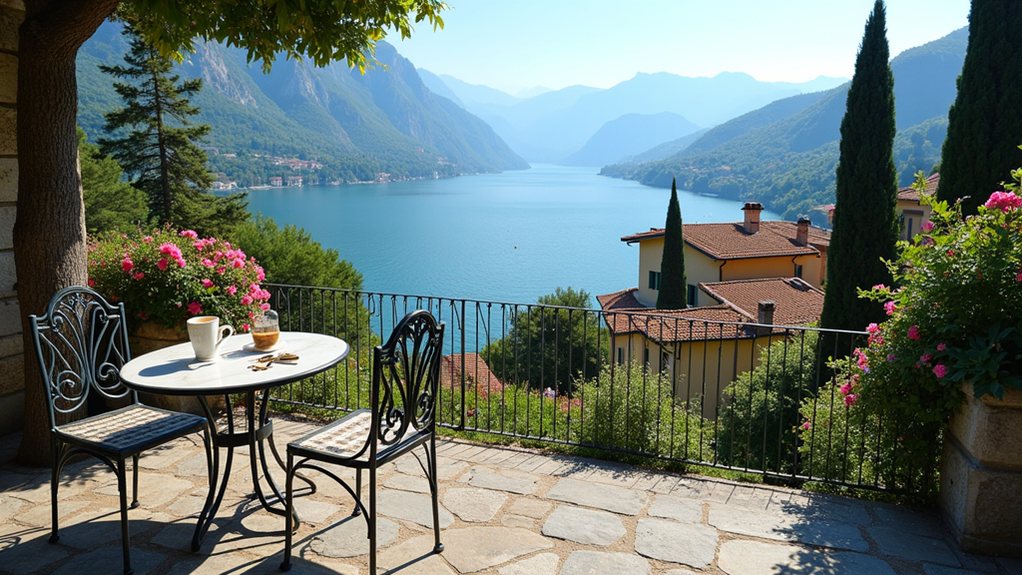
Lake Como dazzles buyers with its charm, but even dream homes hide surprises. Steep taxes, high closing costs, and maintenance bills can quickly bite into budgets, while skipping a home inspection might make that villa a money pit. Hidden debts, strict zoning, or handshake deals can turn ownership into a confusing maze. Mortgage rates for foreign buyers are often shockingly high, and unreliable property agents add to the risks. Discover smarter ways to sidestep these common second-home struggles next.
Key Takeaways
- Skipping a thorough home inspection can lead to expensive repairs for hidden issues like faulty wiring or plumbing.
- Failing to check for hidden debts or unclear property documentation can cause costly legal complications after purchase.
- Underestimating closing costs, taxes, and maintenance expenses often leads to significant budget overruns for second-home buyers.
- Relying on handshake deals or verbal agreements instead of written contracts increases the risk of disputes and lost deposits.
- Neglecting ongoing property management and upkeep may result in property value loss and unexpected long-term costs.
What Makes Lake Como Irresistible for Second Home Buyers?
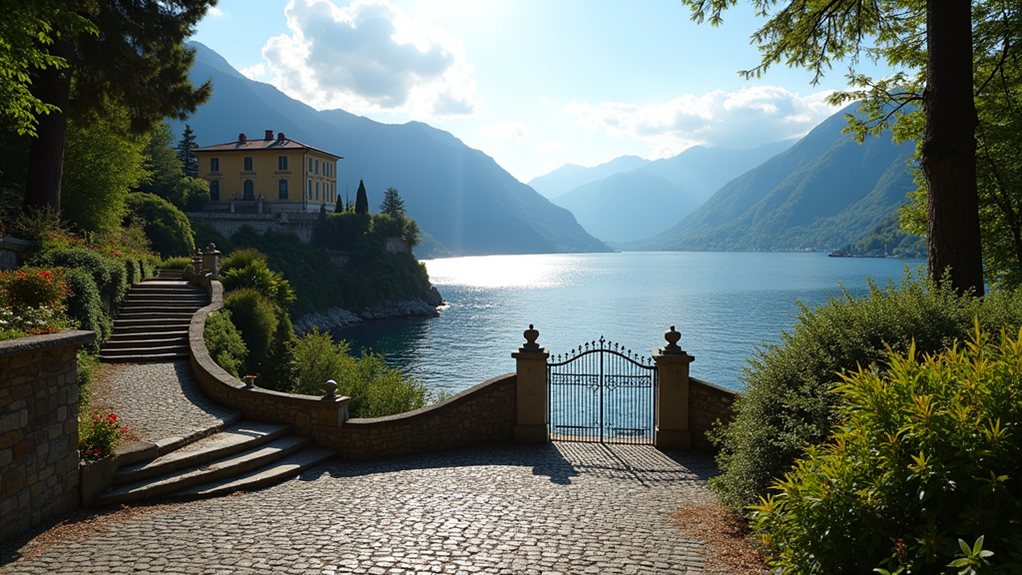
What is it about Lake Como that captures the hearts of second home buyers from around the world? The answer starts with its breathtaking scenery—sparkling waters framed by mountains and charming villas and apartments.
The buying process here feels like stepping into a postcard, and despite high property prices, starting near €8,000 per square metre for prime locations, the investment often pays off. Many buyers are drawn by the car-free living available in towns like Varenna and Menaggio, where public transport and walkability make owning a vehicle unnecessary.
Lake Como’s proximity to Milan guarantees easy access, while towns like Bellagio offer strong rental yields for those seeking returns on their second home.
Lake Como’s easy access to Milan and high rental yields in towns like Bellagio make it a prime investment choice.
Year-round festivals and outdoor adventures assure this Italian gem never loses its appeal. For those considering a longer stay, the availability and pricing of long-term rentals in Lake Como can offer insight into the practical side of living in this coveted region.
The Real Costs of Owning a Lake Como Property

Owning a slice of Lake Como paradise comes with more than just breathtaking views and bragging rights—it also brings a collection of real-world expenses that every buyer should consider.
From annual property tax (IMU), which can easily reach thousands of euros, to hefty closing costs, the financial reality is more than just the list price. Many newcomers are caught off guard by high property taxes and additional administrative fees that are unique to the region.
Foreign buyers face higher mortgage rates, adding to the bill. After the keys are handed over, unexpected expenses loom.
Consider this snapshot:
- Annual property tax: €1,200–€10,000
- Closing costs: 11%–18% of purchase price
- Maintenance and renovation costs: significant, especially for older homes
It’s crucial to research hidden housing costs that may not be immediately obvious, as these can significantly affect your overall budget when buying property in Lake Como.
Home Inspection Pitfalls: Don’t Skip This Step

Even with the sparkling waters of Lake Como calling, skipping a professional home inspection is a risk no buyer should take.
Hidden issues often lurk behind beautiful facades—think aging wiring, leaky pipes, or sneaky roof leaks. Repair costs can quickly climb, sometimes exceeding €10,000, turning a dream retreat into a money pit. In addition to unexpected repairs, buyers should be aware of local property laws that may affect renovation options and ongoing maintenance requirements.
Inspections guarantee all essential systems meet local safety standards and catch hazardous materials, like asbestos or lead, in older homes.
Neglecting this step is one of the critical pitfalls buyers should avoid to ensure their Lake Como purchase remains a sound investment.
Legal Traps: Spotting Debts, Liens, and Zoning Issues

Many buyers dream of sipping espresso on their Lake Como terrace, but a few legal snags could turn that fantasy into a paperwork nightmare.
Before any property purchase, smart buyers look for hidden debts, liens, or zoning regulations that might make life complicated. Skipping these checks could mean costly surprises later, even if the deal seems legally binding. Understanding the rent registration process is also crucial, as compliance with local requirements can impact both your ability to rent out the property and avoid future penalties.
Imagine:
- Discovering an old mortgage or unpaid debts after signing.
- Finding out your beautiful villa can’t legally be rented due to zoning regulations.
- Learning renovations don’t have proper planning permissions, risking fines.
Due diligence saves dreams—and bank accounts—from disaster. It’s also wise to consult local experts, as Lake Como property laws can differ from other regions and affect your investment in unexpected ways.
Lake Como Mortgage Mistakes Foreign Buyers Make

A Lake Como mortgage can feel like a golden ticket to paradise, but foreign buyers often stumble into unexpected pitfalls along the way. Many are surprised by higher mortgage rates for non-EU residents, sometimes reaching 5.2%. Notary fees, usually 5–6% of the purchase price, add another layer of cost. Overlooking the need for a Codice Fiscale or not comparing banks can lead to delays and missed opportunities. It’s crucial to conduct due diligence on property type and mortgage options. Another aspect to consider is the average long-term rent in Lake Como, as understanding local rental trends can provide insight into potential investment returns and help buyers make informed decisions about their purchase. To avoid costly errors, make sure to pay attention to common red flags when verifying property legitimacy and handling transactions.
| Factor | Typical Range | Why It Matters |
|---|---|---|
| Mortgage Rates | 4.0%–5.2% | Impacts total loan cost |
| Notary Fees | 5%–6% | Adds to upfront expenses |
| LTV Ratio | 50%–70% | Limits borrowing power |
| Codice Fiscale | Required | Essential for applications |
How to Choose Safe and Lively Neighborhoods

How does one find that perfect blend of excitement and security in Lake Como’s neighborhoods? Smart buyers look beyond the postcard views, exploring community dynamics and practical details.
Evaluating property in Lake Como means balancing safety, vibrant atmospheres, and investment potential. Consider this imagery:
- Morning strolls reveal quiet lanes, while evenings showcase lively piazzas—visit at varied times to assess safety and vibe.
- Local amenities, like bakeries and ferries, signal convenience and community spirit.
- Zoning regulations and robust rental demand, especially in Bellagio or Cernobbio, hint at both future flexibility and year-round neighborhood buzz.
Surprising Taxes, Fees, and Ongoing Expenses

Unexpected costs can sometimes sneak up like a surprise guest at an Italian dinner party, especially when buying a second home in Lake Como.
Buyers often underestimate closing costs, which can range from 11% to 18% of the purchase price—this includes notary fees, agent commissions, and property taxes.
Closing costs can surprise buyers, totaling 11% to 18% of the price with notary, agent, and tax fees included.
Annual property taxes, known as IMU, can swing dramatically from €1,200 to €10,000 depending on the Lake Como area.
Ongoing expenses such as utilities, maintenance, and property management also add up quickly.
For foreign buyers, higher mortgage rates can cause budget strains, making careful planning absolutely essential for financial peace.
The Risks of Verbal Deals and Unvetted Agents

While Lake Como’s shimmering waters and hillside villas are enough to make anyone dream of owning a second home, steering through the local real estate market requires more than just a love for Italian scenery.
Relying on verbal agreements or trusting unvetted agents can quickly turn that dream into a bureaucratic nightmare. Without written contracts and proper due diligence, buyers risk stumbling into property complexities that can be as tangled as vines on a lakeside pergola.
Consider these scenarios:
- Lost deposits from handshake deals gone wrong
- Unexpected hidden debts attached to a property
- Disputes over ownership due to unclear paperwork
Don’t Overlook Property Management and Long-Term Upkeep

A well-kept villa in Lake Como isn’t just a pretty postcard—it’s a commitment that demands careful planning and attention, long after the keys are handed over.
Property management can be a lifesaver, handling everything from tenant inquiries to scheduling repairs, all while optimizing rental income. With local managers charging 10% to 20% of rental proceeds, their expertise in seasonal rental trends proves invaluable.
Long-term upkeep means budgeting for maintenance expenses like gardening, pool care, and heating system checks. By including these details in your property investment strategy, owners avoid costly surprises and keep their Italian escape inviting year after year.
Frequently Asked Questions
What Are the Pitfalls of Buying Property in Italy?
Pitfalls of buying property in Italy include managing legal complexities, underestimating ongoing property maintenance and renovation costs, misunderstanding local regulations, limited financing options for foreigners, and misjudging market trends, all of which can impact long-term investment returns and ownership experience.
What Decreases Property Value the Most?
Property value decreases most due to declining neighborhoods, severe economic downturns, and poor maintenance. Additional significant factors include violations of zoning regulations, negative environmental factors, and overpricing trends, all of which can collectively undermine long-term investment potential.
What Is the Property Tax in Italy for a Second Home?
Amid picturesque Italian landscapes, property tax for a second home—IMU—ranges from 0.4% to 1.06% of cadastral value. Residency requirements, property maintenance, investment returns, local regulations, and potential tax deductions all influence annual obligations.
Is Lake Como a Good Investment?
Lake Como is generally considered a good investment due to strong real estate trends, consistent market appreciation, and high rental potential. Prospective buyers should research property management, local regulations, and seek investment tips to maximize returns and minimize risk.
Conclusion
Buying a second home in Lake Como is like setting sail on sparkling waters—beautiful, but with hidden rocks below the surface. From legal surprises to unexpected taxes, buyers must steer carefully. Yet, with a keen eye and the right help, the journey brings breathtaking views and lasting rewards. Remember, every villa has its secrets, but with smart navigation, your dream of lakeside living can become a smooth, sunlit reality, not just a postcard fantasy.