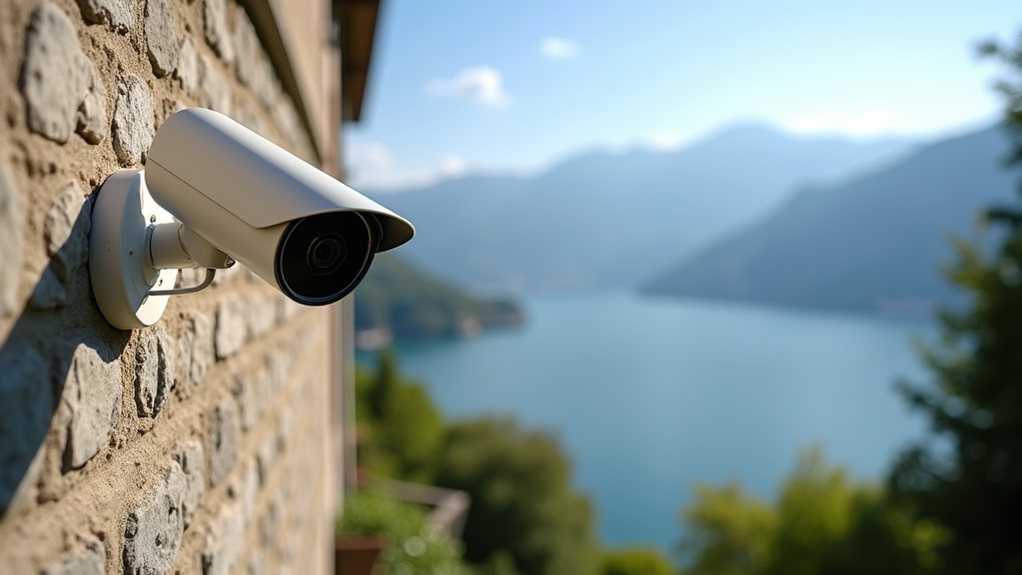

Many Lake Como rentals are upping their game by installing security cameras in common areas, aiming to boost safety and give both landlords and tenants a little extra peace of mind. As the popularity of video surveillance systems grows, it’s easy to see why landlords want to use these tools. Not only do cameras help deter would-be troublemakers, but they also provide much-needed evidence if anything ever goes wrong.
However, there’s more to installing security cameras than just picking up the latest model and screwing it into the hallway ceiling. Landlords must follow clear rules to respect everyone’s rights—especially when it comes to privacy and personal data. For example, security cameras can only be placed in shared spaces like entrance halls, stairwells, or parking lots. Places where people have a reasonable expectation of privacy—such as bathrooms or bedrooms—are absolutely off-limits for any kind of video surveillance system. This guarantees that tenants can relax in their own space without feeling like someone is watching their every move. If tenants want to install their own cameras inside their rental units, they can, as long as they don’t point them at others’ private spaces.
Clear communication is essential, and this is where the tenancy agreement comes in. Before installing security cameras, the landlord must explain exactly where the cameras will be placed and why they’re needed. This should be spelled out in the tenancy agreement, so both parties are on the same page and avoid misunderstandings down the road. Nobody likes a surprise cameo on camera, after all. Additionally, both parties should be aware of the local rules regarding rental contracts to prevent disputes.
But it’s not just about being polite—it’s also about following the law. Italy’s data protection laws, including the mighty GDPR, require landlords to be very careful about how they handle video footage. Additionally, landlords must ensure that they maintain property safety and habitability to comply with legal standards.
Landlords can only record what’s necessary for safety, and they have to make sure any recordings are kept secure. Access to these recordings should be tightly controlled, so only people who really need to see the footage can do so. These steps help protect everyone’s personal data and build trust. Putting up signs to let people know they’re on camera isn’t always legally required, but it’s a smart and friendly move. It lets everyone know what’s happening and can even scare off potential troublemakers—because even burglars don’t want to be caught on tape.
In the end, a little transparency goes a long way to make everyone feel safer.