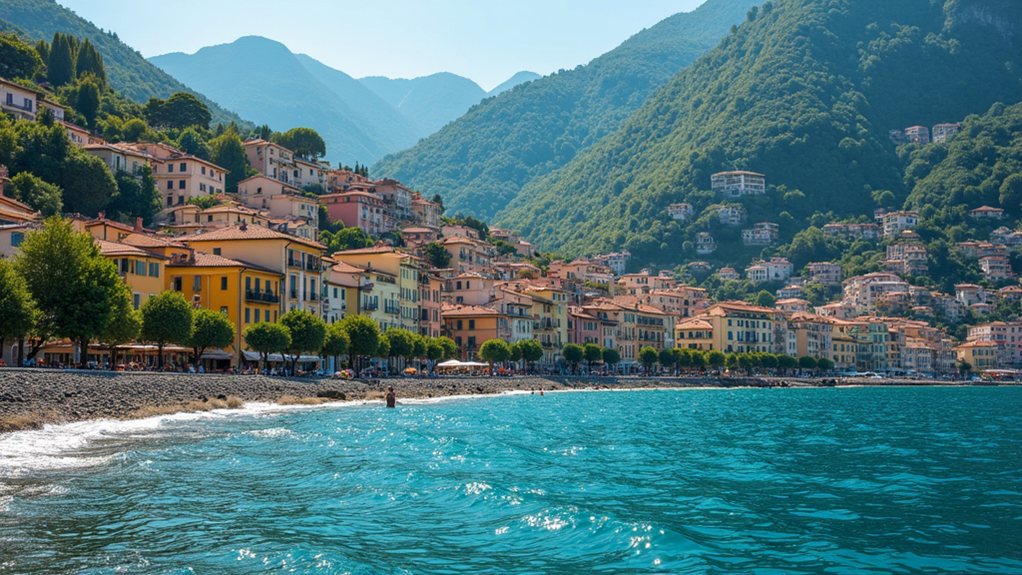
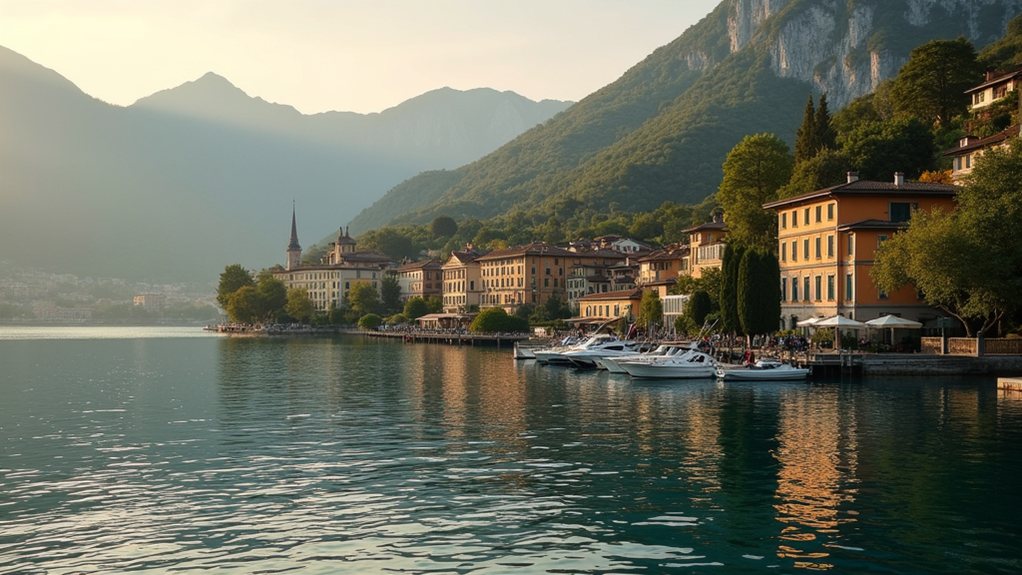
With tourist numbers climbing each year, local leaders are exploring a tourist tax aimed specifically at daily visitors. This fee would not only help manage the flow of people but also provide much-needed support for local services.
Mayor Alessandro Rapinese, who has become a prominent voice in this discussion, points out that while Lake Como’s popularity brings undeniable economic benefits of tourism, not all visitors contribute equally. Many daytrippers arrive in the morning, enjoy the sights, and leave by evening, often spending little money in local shops and restaurants. Additionally, the high demand from tourists has exacerbated the housing crisis, making it harder for locals to find affordable accommodations.
However, these same daily visitors still use public services—crowding ferry terminals, filling up streets, and putting pressure on everything from waste collection to public restrooms. Overcrowding, especially during peak times, has become more than just an inconvenience; it’s a real strain on both the city’s infrastructure and the everyday life of locals.
One especially pressing issue is the impact on housing costs. As the number of tourists rises, more property owners are tempted to convert long-term rentals into short-term accommodations, reducing the supply of affordable housing for residents. Mayor Rapinese and other officials argue that a tourist tax could help address this imbalance by generating revenue to invest back into the community. Seasonal rentals have significantly contributed to this housing crisis, as many owners prioritize short-term profits over long-term stability.
For example, funds raised might be used to maintain cultural sites, improve transportation, or support affordable housing initiatives.
The proposed tourist tax is inspired by similar measures, like those in Venice, but would likely target only day visitors during the busiest periods. This approach aims to tackle the specific problem of overcrowding without discouraging longer stays, which tend to bring greater economic benefits to the city.
By charging a small fee, Como hopes to better align the costs and rewards of tourism.
In the end, the plan is not about discouraging visitors from enjoying Lake Como’s beauty. Instead, it’s about finding a fair way to share resources, protect the city’s unique character, and make sure both tourists and locals can enjoy everything Como has to offer—without tripping over each other at the ferry terminal.