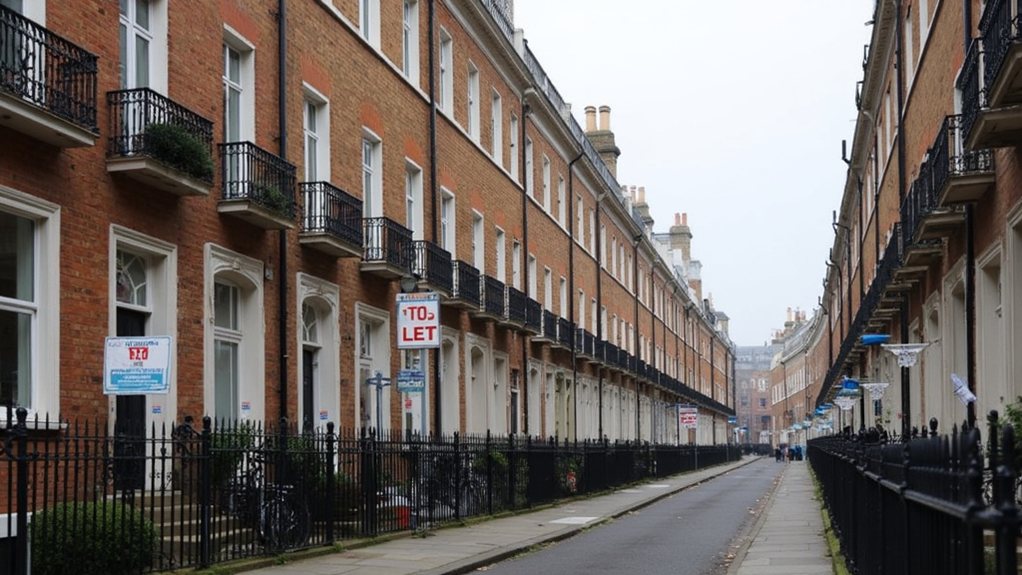

Why are long-term rentals suddenly so hard to find? This question is on the minds of many people searching for a stable place to live. The rental market has shifted dramatically, making it a real challenge to secure an affordable long-term rental option.
One key reason is the drop in vacancy rates, which have fallen to around 1.4%. Before the pandemic, these rates hovered closer to 2.0%. That difference might sound small, but in the world of housing, it’s huge—it means more competition and fewer choices for renters.
Part of the problem comes from the rise of short-term rentals, like those found on popular vacation websites. These short-term rentals are taking over homes that would otherwise be available for long-term tenants. In fact, a study in New York City found that short-term rentals were responsible for 9.2% of all rent increases. This shift is particularly evident in tourist hotspots such as Lake Como, where short-term rentals are prevalent.
Short-term rentals on vacation sites are squeezing out long-term tenants, driving up rents and shrinking the pool of available homes.
When landlords realize they can make more money renting to travelers for a few nights at a time, they often switch away from traditional leases. This shift squeezes the number of properties available for rent, leaving people who need long-term housing with fewer and pricier options.
Rising rents are another major hurdle. Between 2018 and 2022, median rents in some areas jumped by 25-30%. That’s a steep climb, especially when wages have not kept up. More households than ever are feeling the strain.
In Kansas City, for example, more than 46% of renters are considered cost-burdened, which means they spend a huge chunk of their income just keeping a roof over their heads. With so many people struggling to find affordable long-term rental options, it’s no wonder the search can feel like a never-ending game of musical chairs.
Adding to the challenge, there has been a reported 26% decline in properties available for rent since pre-pandemic levels. As if finding the right home wasn’t tough enough already, this drop means the competition is even fiercer.
Interestingly, the shift towards long-term rentals is often influenced by tenant rights, which ensure safe and hygienic housing for renters.
With fewer long-term rentals on the market, renters face higher rents, tighter budgets, and increased stress. So, in today’s rental market, securing a long-term rental feels a bit like winning a prize—one that’s getting harder to claim as vacancy rates fall, rent increases keep coming, and short-term rentals continue to lure away available homes.