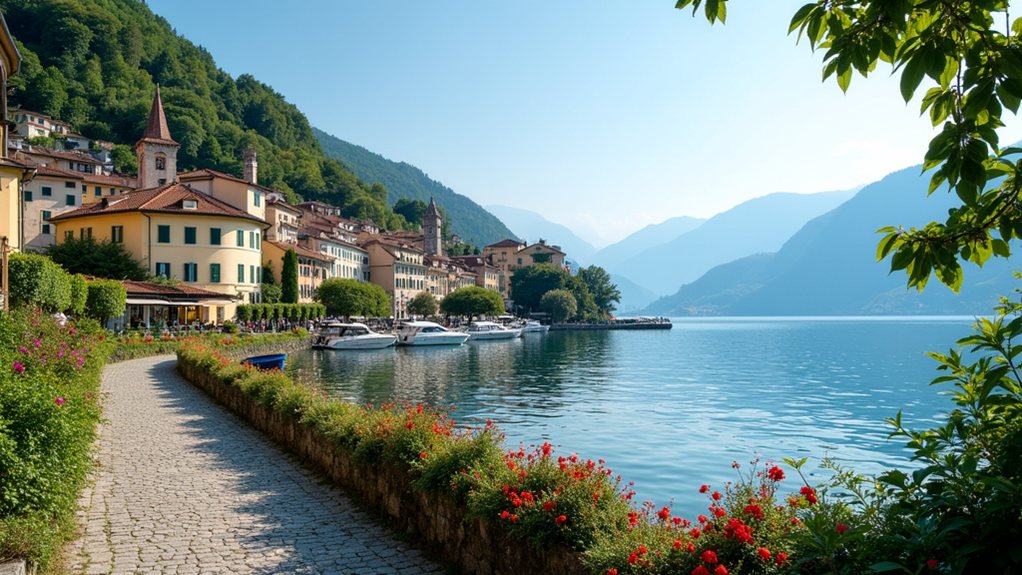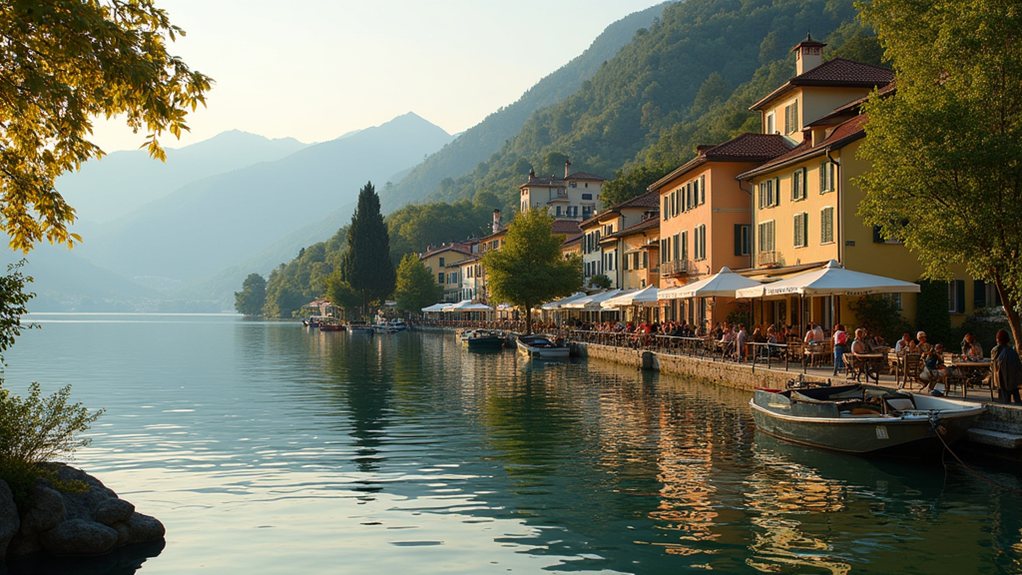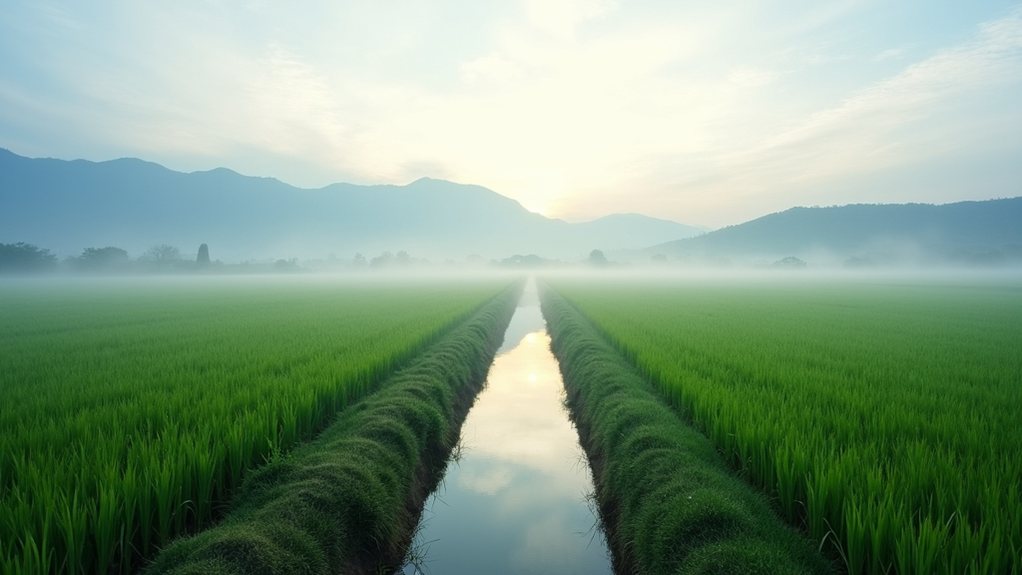

Although Northern Italy is famous for its beautiful landscapes and delicious food, the region is now facing some serious challenges because of climate change. Once known for its green hills and endless vineyards, Northern Italy is seeing dramatic changes in its weather and environment. The Po Valley, a key area for Italian agriculture, is particularly affected. This region depends on regular rainfall and careful water management to support crops through irrigation, but climate change has brought unexpected twists to this familiar story. Heat waves now arrive more often and with greater intensity, making the land dry and thirsty. Droughts have become a big issue, leaving farmers and communities searching for new ways to keep their crops alive and their water flowing.
The effects of these changes can be clearly seen in the Po River, which is the lifeline for much of the region’s agriculture. In 2022, the river reached record low water levels, leading to a historic drought that caused approximately €6 billion in agricultural damages. This disaster threatened 40% of the region’s agricultural productivity, a huge blow for both farmers and everyone who enjoys Italian food. It’s not just about tomatoes and grapes, either—key crops like rice, corn, and wheat all depend on the river’s water for irrigation. Without enough water, these crops struggle to grow, and the whole food chain feels the impact. The ongoing challenges in the region highlight the importance of long-term value in property investments, particularly for those who are aware of how climate conditions can affect agricultural productivity.
A historic drought in 2022 left the Po River at record lows, threatening 40% of Northern Italy’s vital agricultural output.
These climate challenges do not stop at farming. Hydropower, which relies on rivers and lakes for energy, has also taken a hit. Northern Italy depends on hydropower for a significant portion of its electricity. However, due to inadequate water management and severe droughts, hydropower production fell by 30% between 2019 and 2023. This means less clean energy for homes, businesses, and schools, all because there’s simply not enough water to turn the turbines.
Despite these serious problems, there are reasons for hope. Projects like IMPETUS are working to make Northern Italy more resilient. By using new technology and involving local communities, these efforts aim to improve water management and help the region adapt to climate change. They’re finding smarter ways to store and share water, making sure everyone—from city dwellers to farmers—can keep living and working in this beautiful region. Additionally, understanding the local regulations governing water usage is essential for sustainable practices.
While the challenges are real, the spirit of innovation and resilience in Northern Italy shines just as brightly as its famous landscapes.