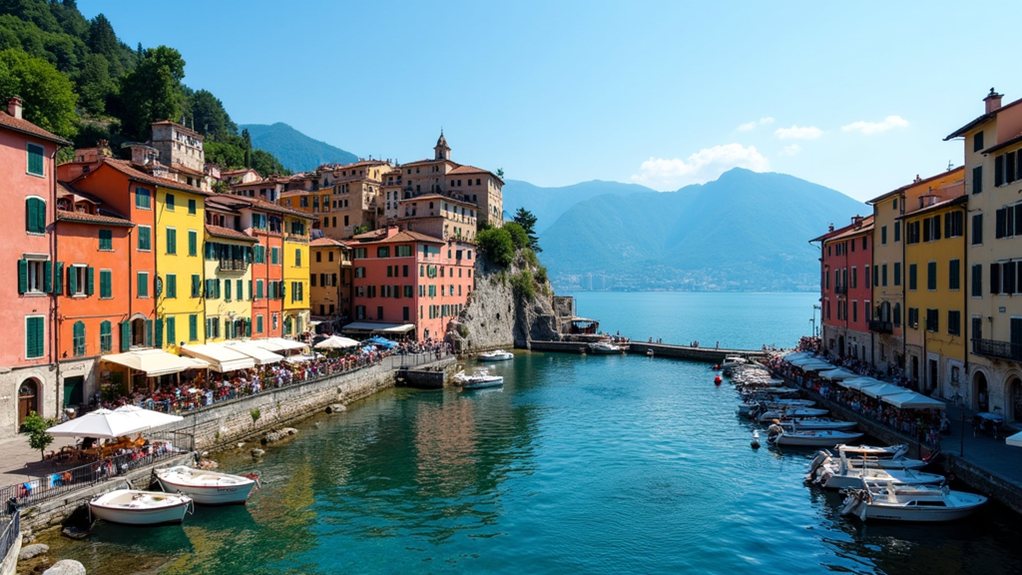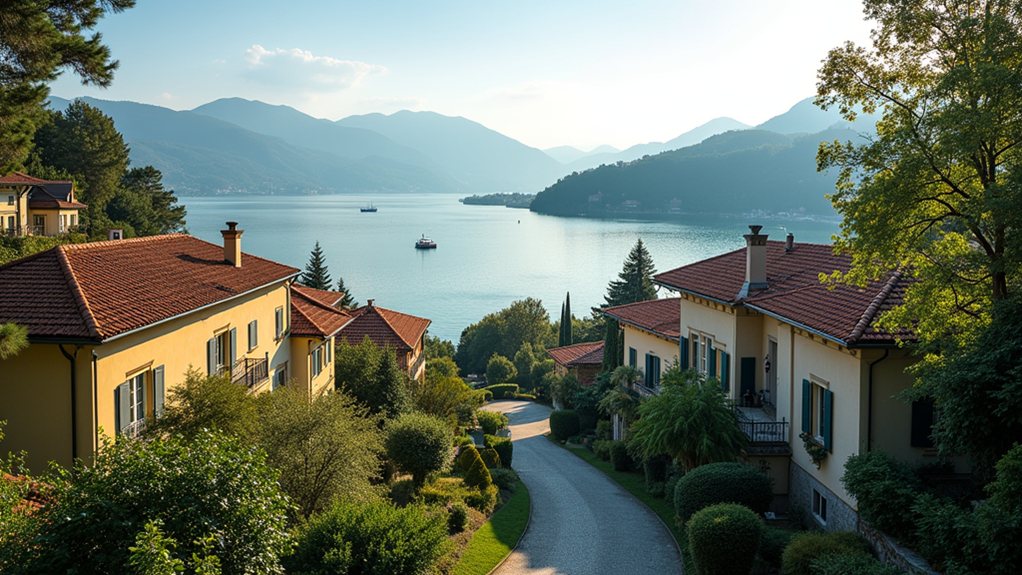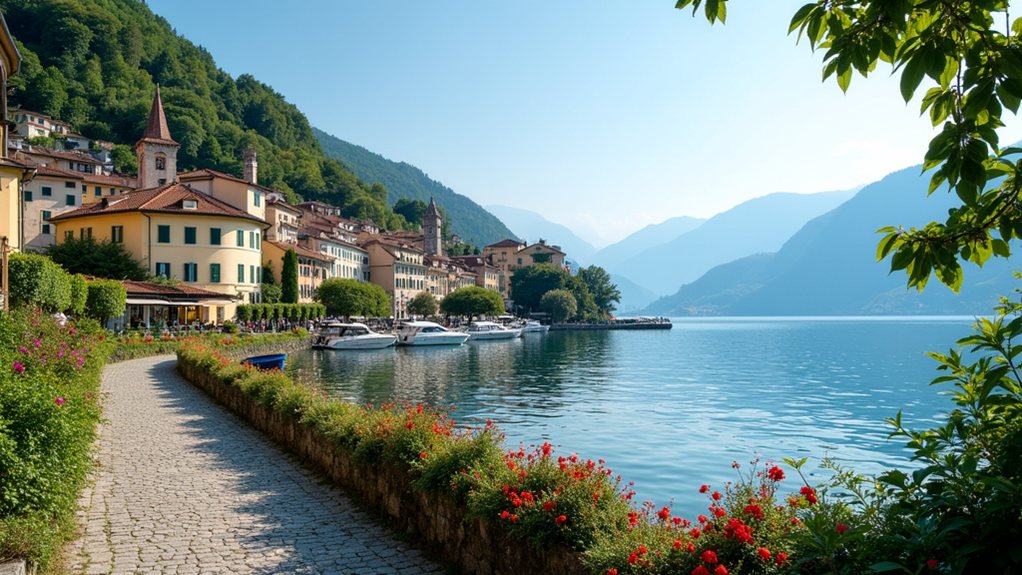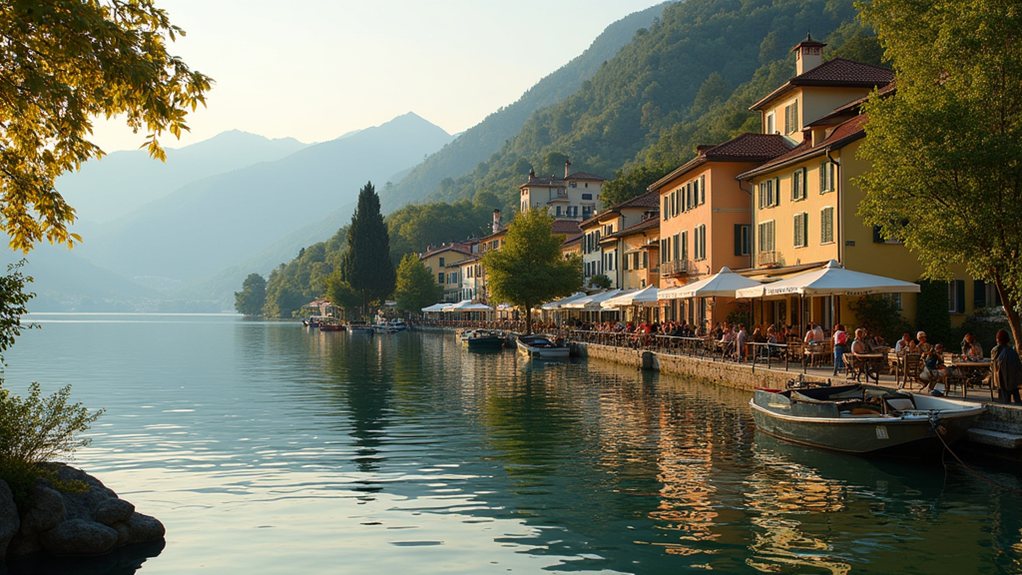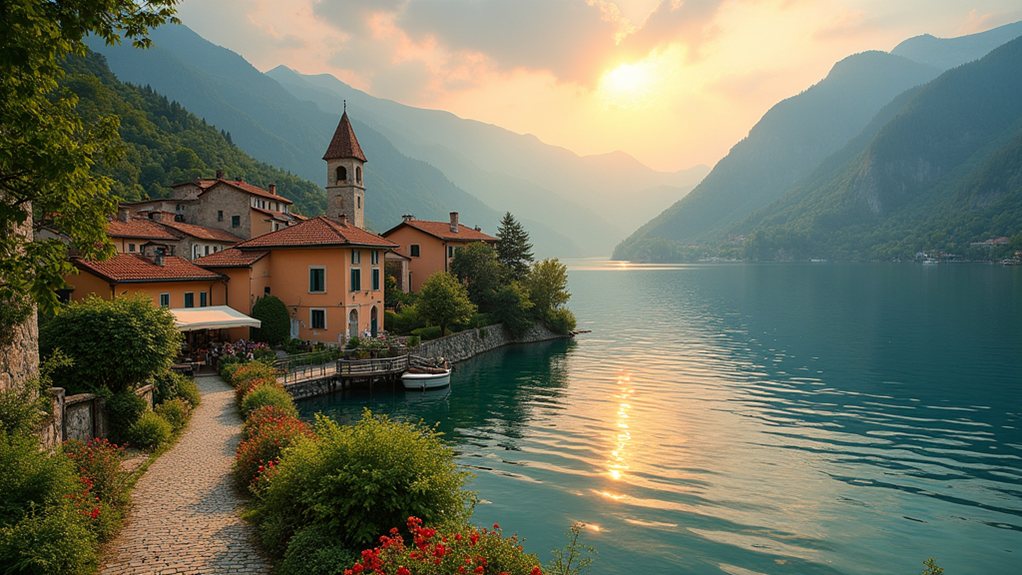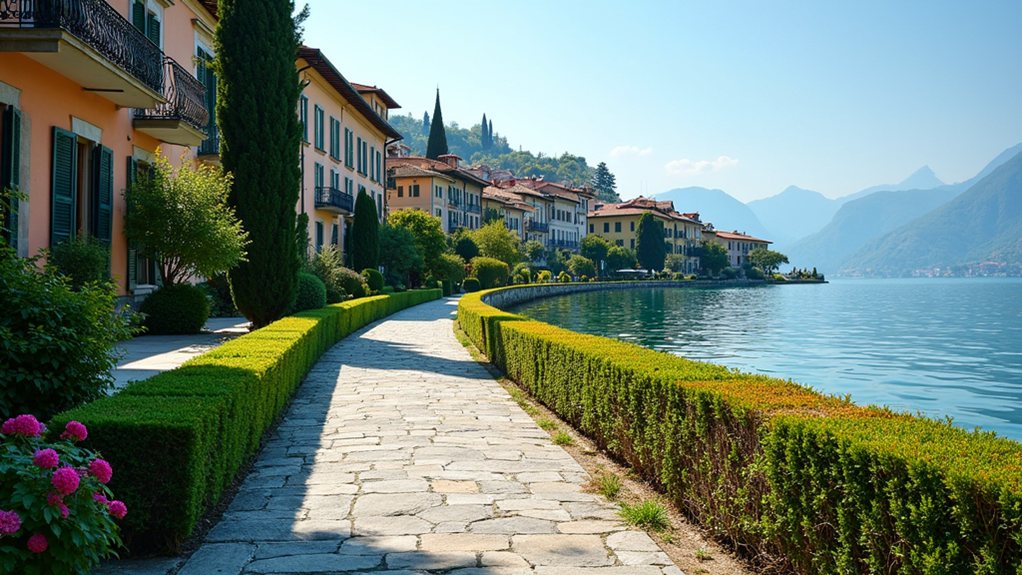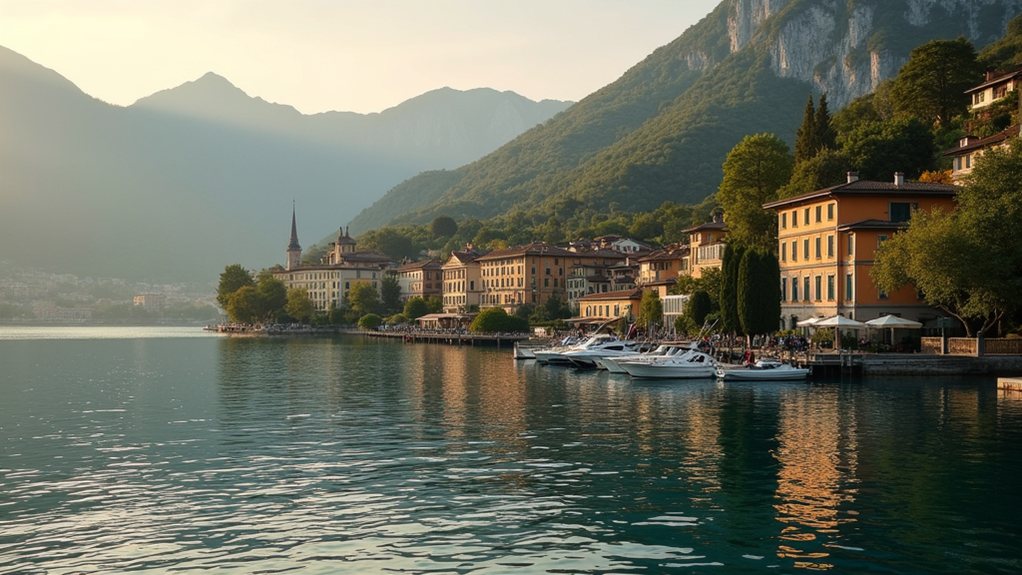
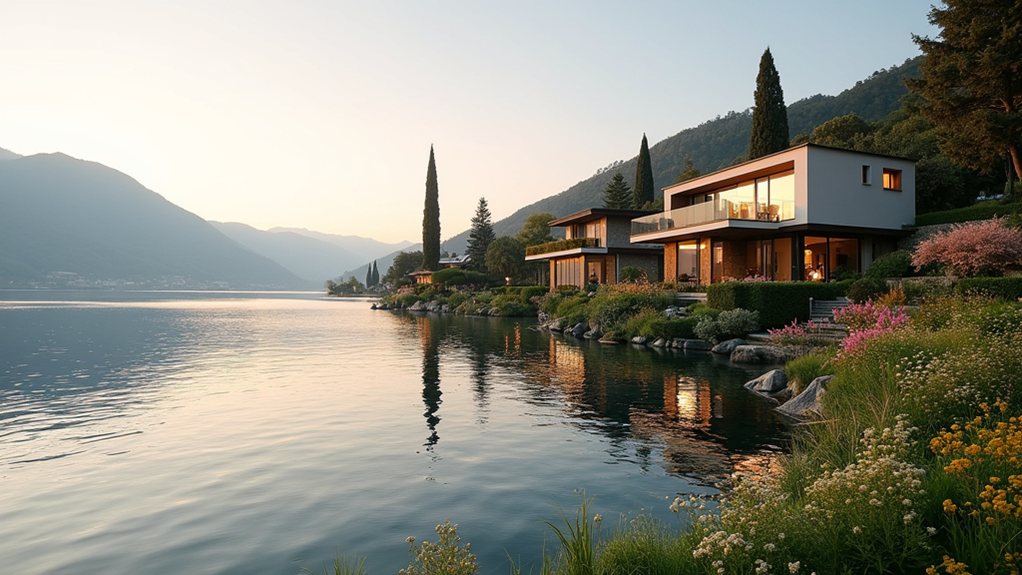
Nestled in the foothills of the Italian Alps, Lake Como dazzles visitors with its sparkling waters and grand villas, but living around this famous shoreline isn’t all sunshine and gelato. The region’s stunning beauty attracts travelers from around the globe, making it a top tourist destination and a magnet for luxury vacation rentals. However, this popularity brings significant housing challenges for both prospective homeowners and local residents who dream of calling Lake Como home.
Lake Como’s breathtaking scenery draws the world’s elite, but its idyllic shores hide real challenges for those hoping to call it home.
With only 146 kilometers of shoreline and strict municipal planning regulations, space is at a premium. This limited supply pushes property prices ever higher, making even modest homes feel like luxury items. Add to that the growing number of short-term luxury vacation rentals competing for prime locations, and the situation becomes even more complicated for those seeking affordable housing options. Local residents often find themselves priced out of the very communities they grew up in, as demand from international buyers and tourists keeps rising.
Buyers drawn to Lake Como’s charm also face the region’s dedication to preserving its historic character. Many properties fall under heritage protection laws, which means that even painting a window frame or updating a bathroom can require maneuvering through a maze of bureaucratic approvals. These regulations make property modifications a time-consuming and sometimes costly endeavor. Would-be renovators must pack patience along with their paintbrushes.
Zoning regulations add another layer of complexity. Not all buyers are fully aware of what uses are permitted for their new properties, especially when it comes to converting homes into luxury vacation rentals. Mistakes here can be expensive, so careful due diligence is essential before signing any contracts. Prospective owners must become amateur legal detectives, sifting through local rules to verify their plans won’t run afoul of the authorities. Additionally, all buyers must register with Italian tax authorities and obtain a Codice Fiscale to ensure compliance with local laws.
The property market around Lake Como is also marked by low liquidity. Unlike in big cities where homes might sell within weeks, houses here often linger on the market for two to five years. This slow pace can be frustrating for sellers hoping for a quick turnaround, making real estate investment a long-term commitment rather than a fast flip.
While Lake Como’s natural splendor and glamorous reputation make it a dream destination, its housing challenges are as real as the mountains that frame the lake. For anyone considering a move, success means balancing ambition with a clear-eyed understanding of the region’s unique hurdles, all while keeping an eye on the shimmering water just outside their window.