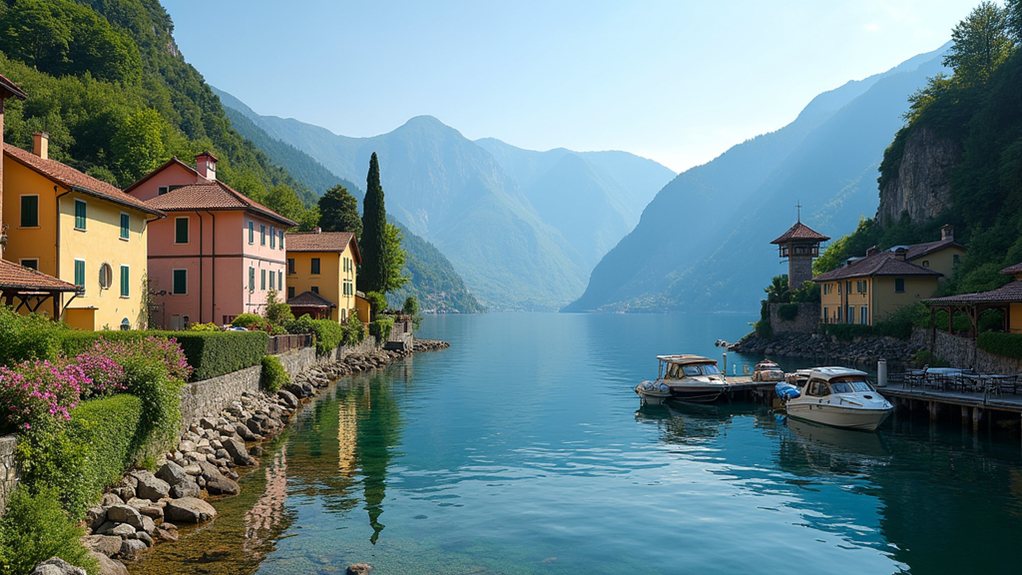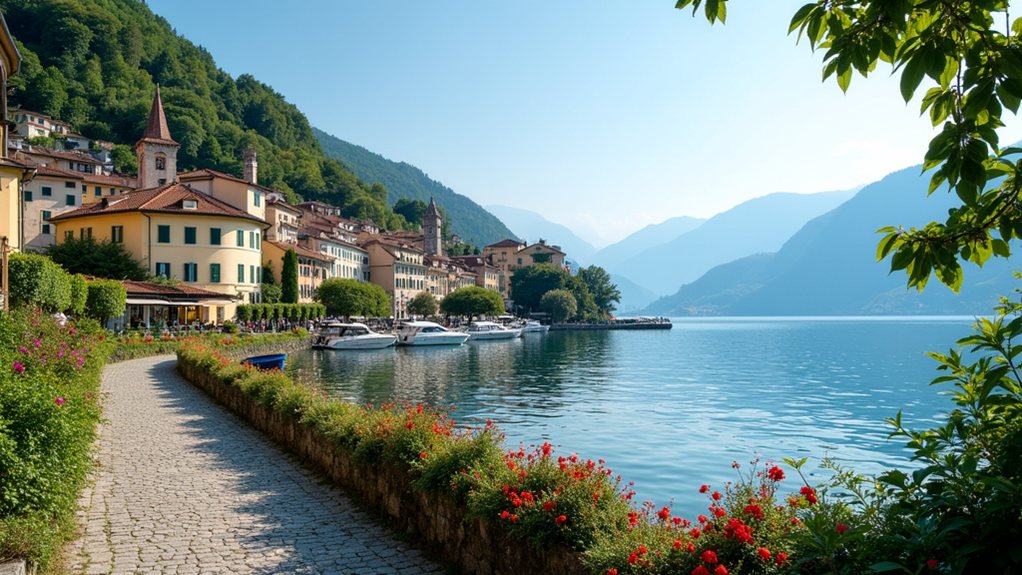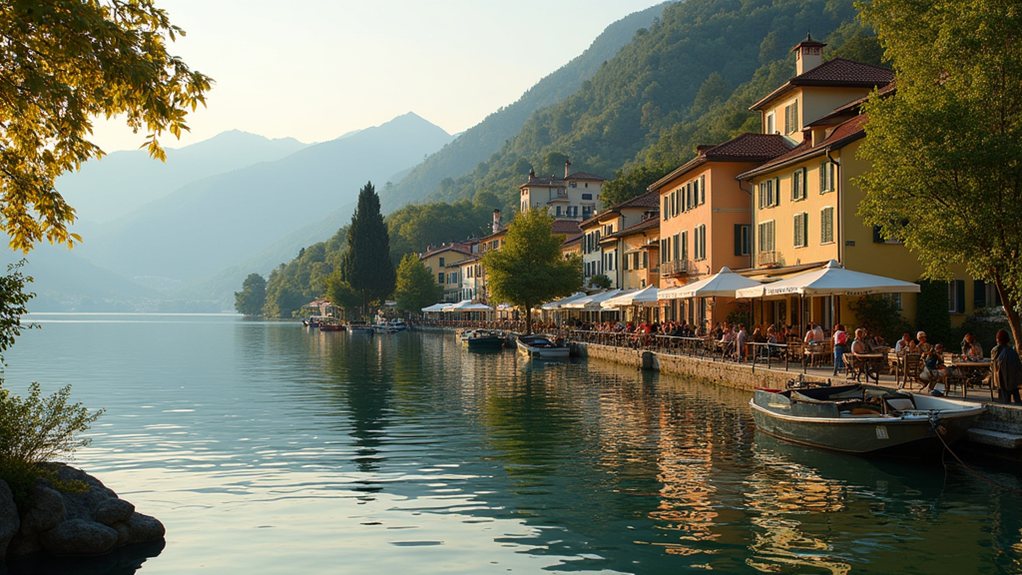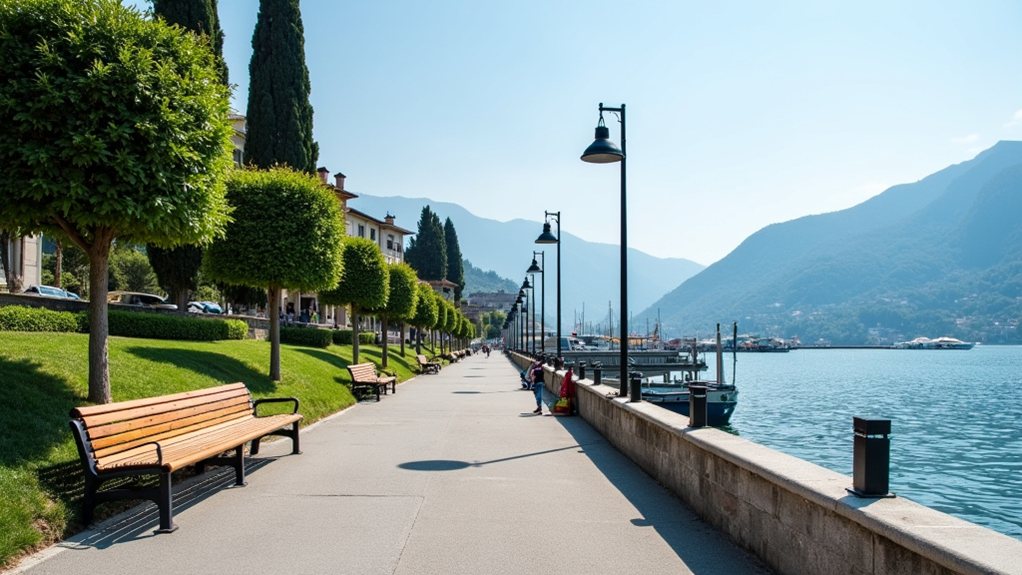
Every summer, a wave of visitors floods Lake Como, turning its peaceful shores into a lively hub of activity and putting its infrastructure to the test. The narrow lakeside roads, usually calm and scenic, quickly become packed with cars and buses, creating traffic jams that stretch for miles. This annual surge, known as peak tourism, means that local residents often find themselves stuck in traffic or weaving through crowds just to reach their favorite gelato shop. Public transportation, while picturesque, can become crowded and delayed, making even short trips a test of patience and planning.
Lake Como’s infrastructure faces even more challenges due to shifting water levels, which have become less predictable in recent years. One day, the water might lap gently at the ancient stone walls, and the next, it could recede or rise dramatically. These changes can cause erosion along the shoreline, threatening not only the beauty of the lake but also the safety of roads and pathways. Additionally, the rise in property prices due to seasonal rentals has added pressure on local infrastructure, as more visitors translate to increased demand on services.
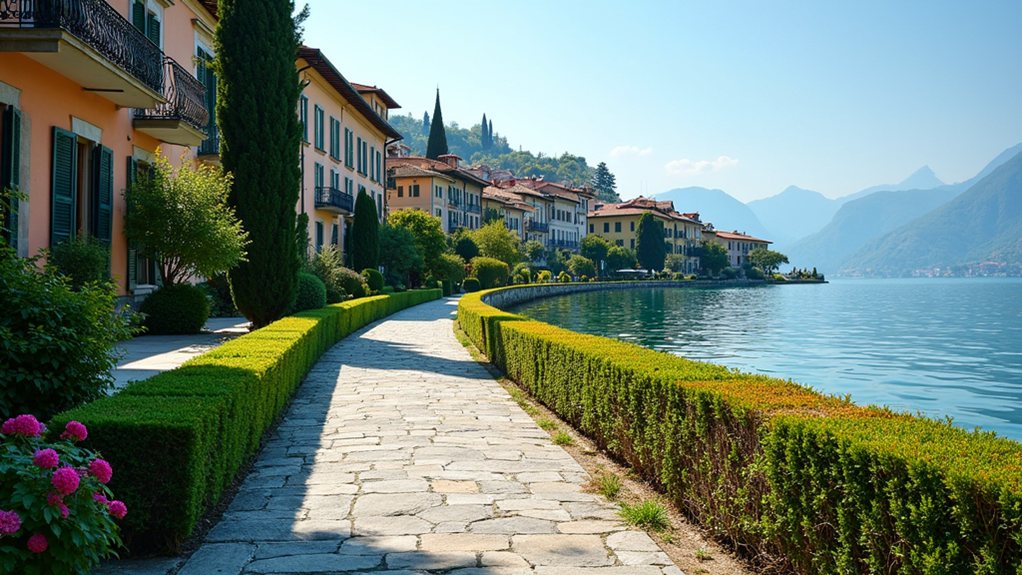
Shifting water levels at Lake Como erode the shoreline, putting both its scenic beauty and vital infrastructure at risk.
The traditional lakeside walls, built long ago to keep the water at bay, now face new risks as water levels bounce up and down like a yo-yo. These once-reliable structures are sometimes left high and dry or battered by waves, weakening their defenses and making repairs more frequent—and expensive.
The ecosystem of Lake Como also feels the strain as boat rental businesses multiply to meet the demands of visitors keen to explore the water. While zipping around the lake might sound like fun, too many boats can disrupt the delicate balance of life below the surface. Fish and birds that call the lake home find themselves dodging propellers, and local residents worry about the long-term health of their beloved ecosystem. Additionally, local regulations are increasingly vital for ensuring the sustainability of these activities.
Authorities scramble to keep track of boat rental operators, but the sheer number can make it feel like a game of whack-a-mole.
Flood defenses around Lake Como have also been put to the test, especially where historical construction—sometimes done without proper permits—has weakened the natural and built barriers. Illegal buildings, tucked into scenic corners, have in some cases blocked essential drainage routes or added weight where the shore is already fragile.
This complicates efforts to manage water levels and protect the area from flooding, leaving officials and residents alike hoping for solutions that can preserve both the charm and the safety of this famous destination. Altogether, these changes show how Lake Como’s unique blend of history, natural beauty, and vibrant tourism requires constant care and creative thinking.