
Although Italy is famous for its ancient ruins and delicious pasta, it is now gaining attention for something a bit more modern—its booming short-term rental market. In recent years, Italy has become a hotspot for people seeking temporary housing, especially through popular platforms like Airbnb. The numbers speak for themselves: in 2025, a remarkable 84% of Italians found themselves needing some form of temporary housing, showing just how important short-term rentals have become in everyday life. Whether it’s a tourist searching for a charming place to stay in Florence or a local needing a quick fix between leases, the demand for these rentals is surging like never before.
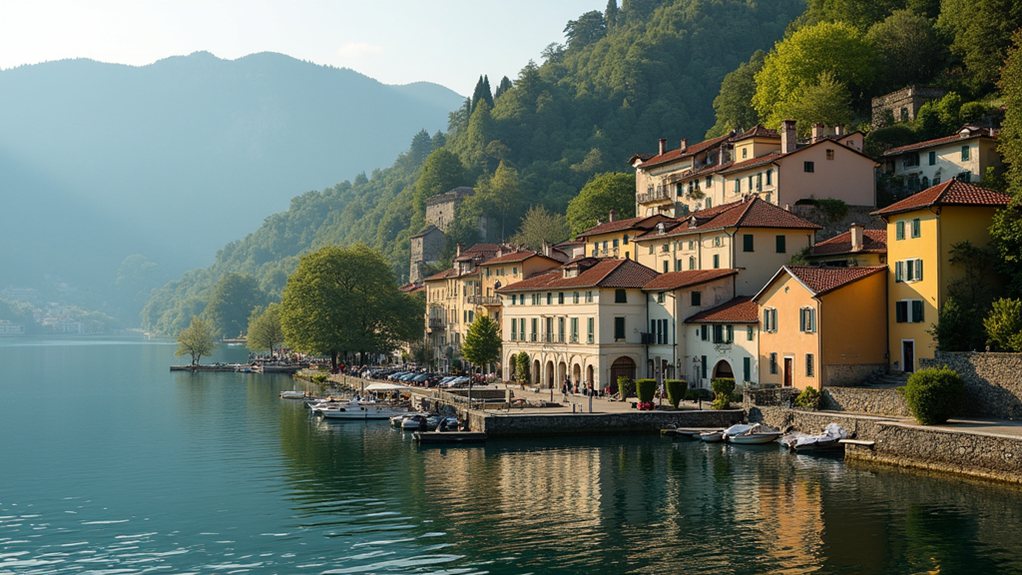
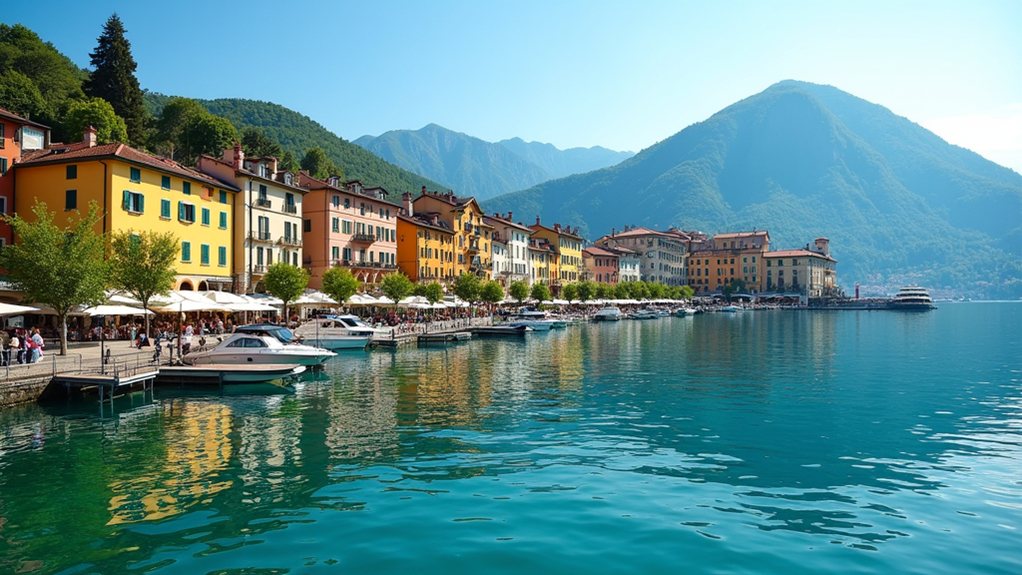
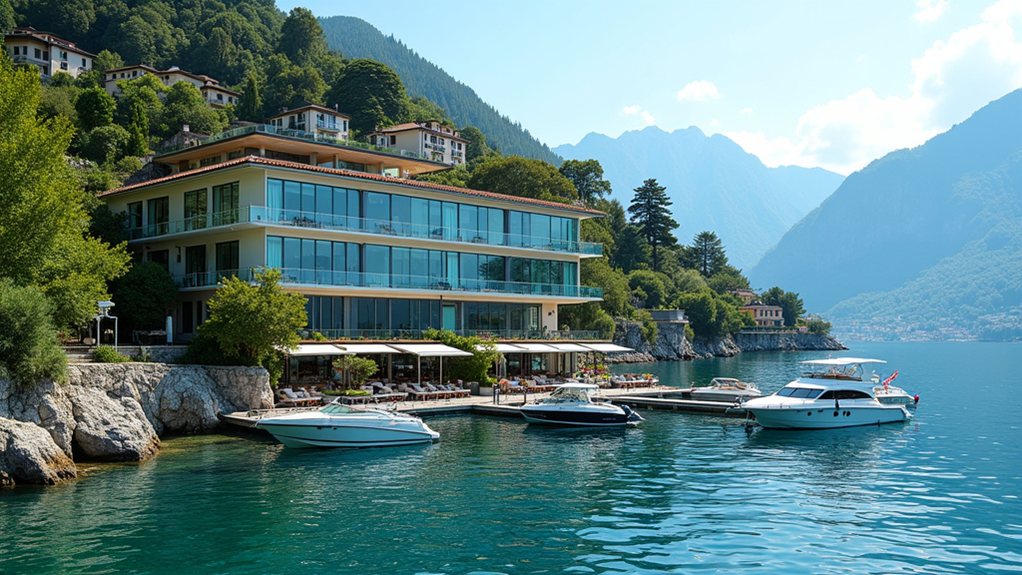
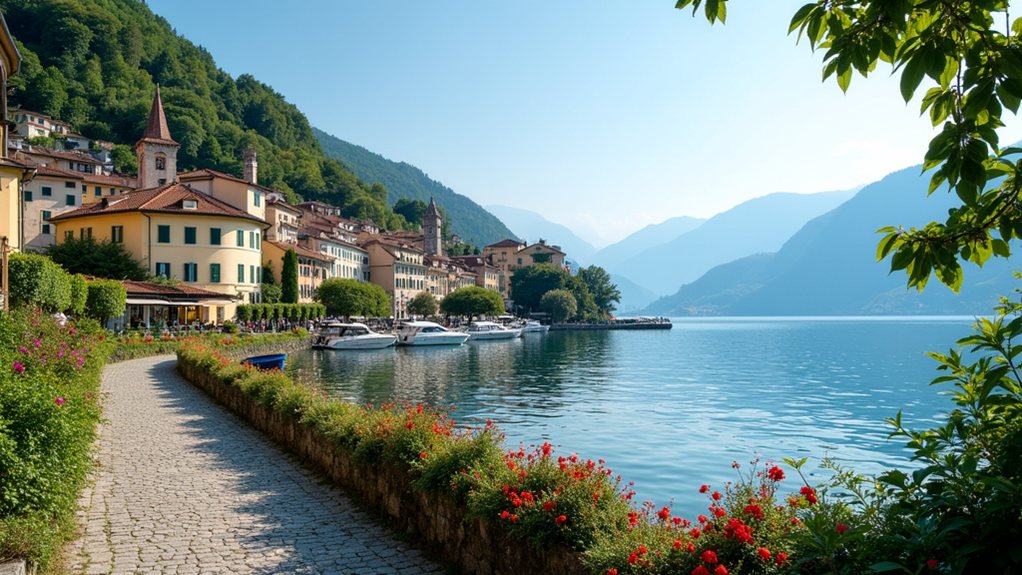
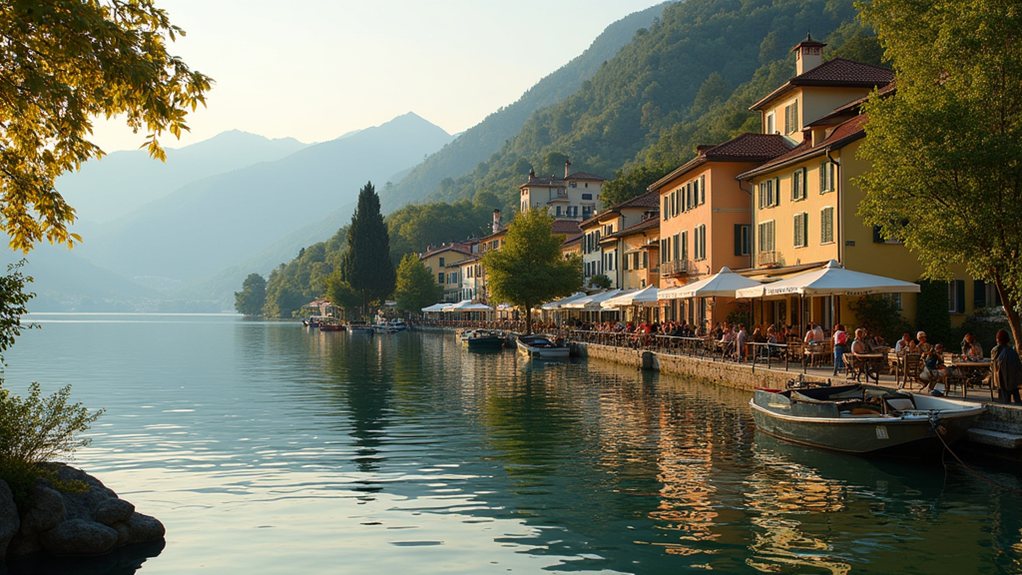
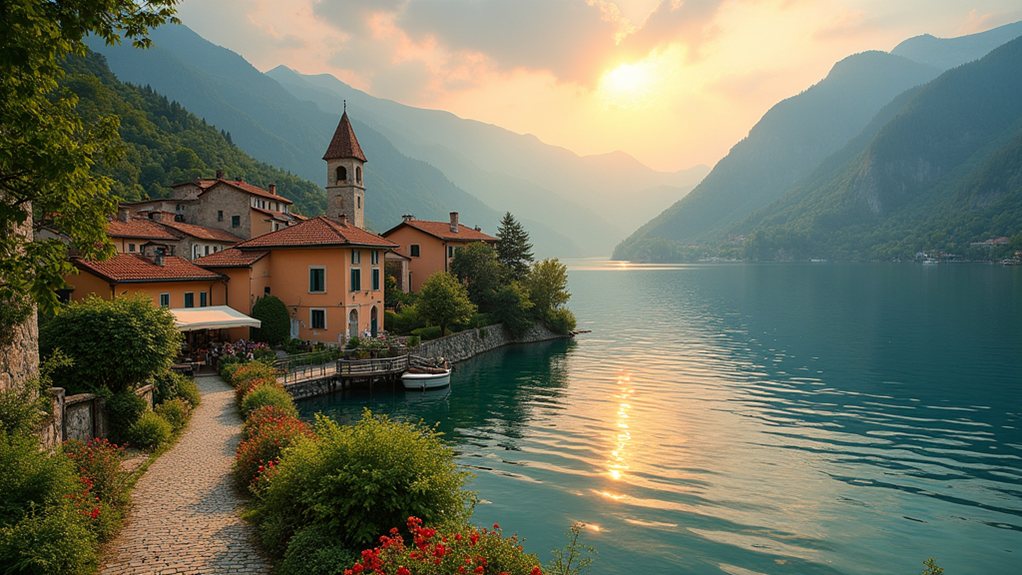
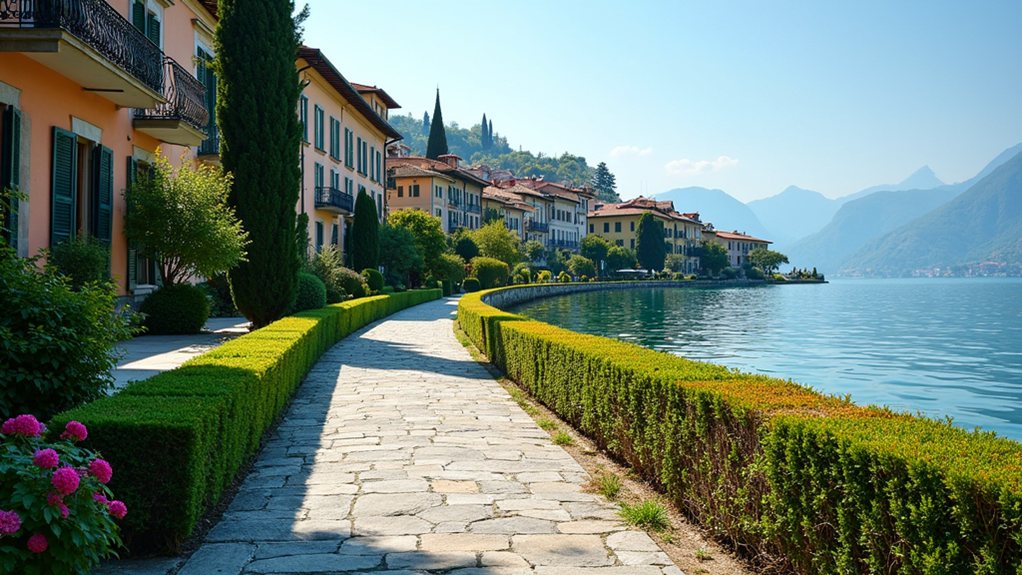
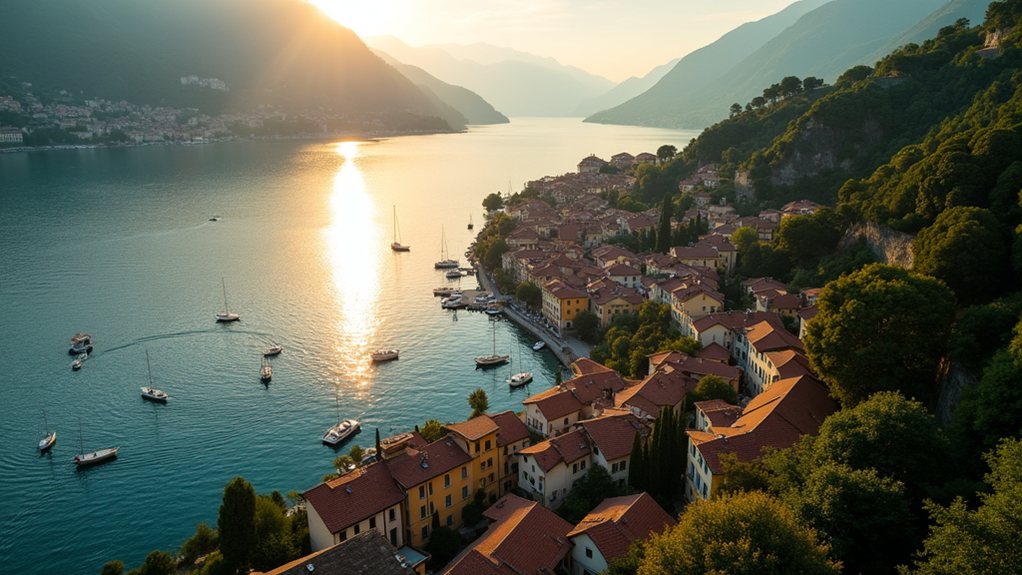
The scale of this change is striking. Out of Italy’s roughly 35 million homes, more than 500,000 are dedicated to short-term rentals, which is about 1.4% of the national housing stock. That may sound like a small slice, but in cities that attract lots of visitors—think Rome, Venice, or Lake Como—short-term rentals can take up a much larger chunk of available housing. In fact, approximately 60% of available rentals in Lake Como are utilized for tourism, highlighting the strain on long-term housing options. This shift in focus toward seasonal rentals contributes to the housing instability faced by local families.
It’s not just Italy feeling the effects. Across the European Union, bookings through short-term rental platforms soared to over 854 million nights in 2024, a 19% jump from the previous year. This explosion in demand means that temporary housing isn’t just a convenient choice for travelers—it’s becoming a major part of the broader housing conversation.
As more apartments and homes are turned into short-term rentals, the classic balance between tourist enjoyment and local living is being tested, sparking lively political debate in Italy and beyond.
Lawmakers and community leaders are now wrestling with the question: how can Italy’s love affair with short-term rentals be managed, so everyone wins? Some argue that strict regulation is needed to protect housing availability for locals, while others believe that the growth of platforms like Airbnb brings economic benefits that shouldn’t be stifled.
As the debate heats up, one thing is certain: Italy’s reputation for hospitality is evolving, and the country’s approach to rentals—both short-term and long-term—will shape its cities and communities for years to come.