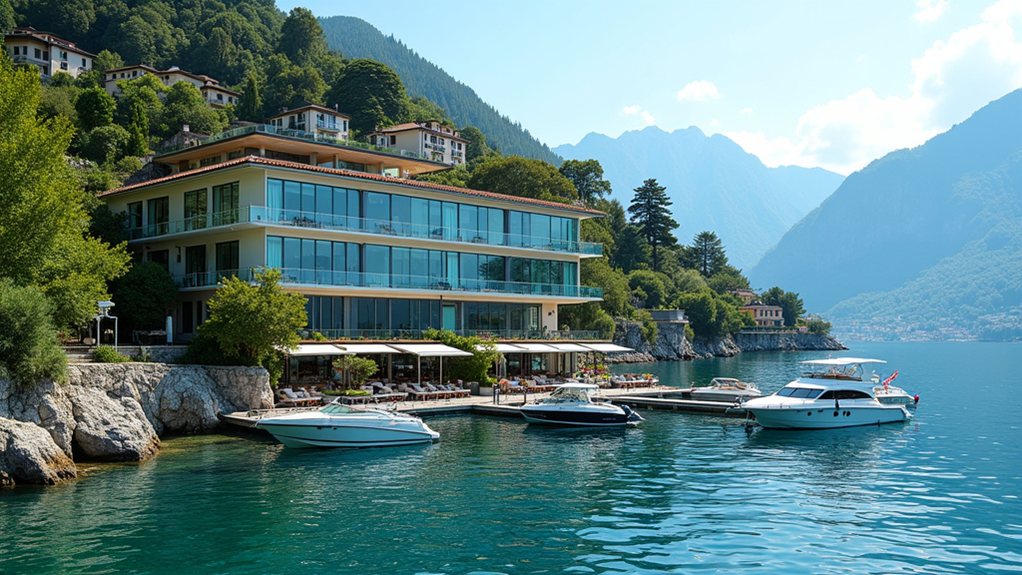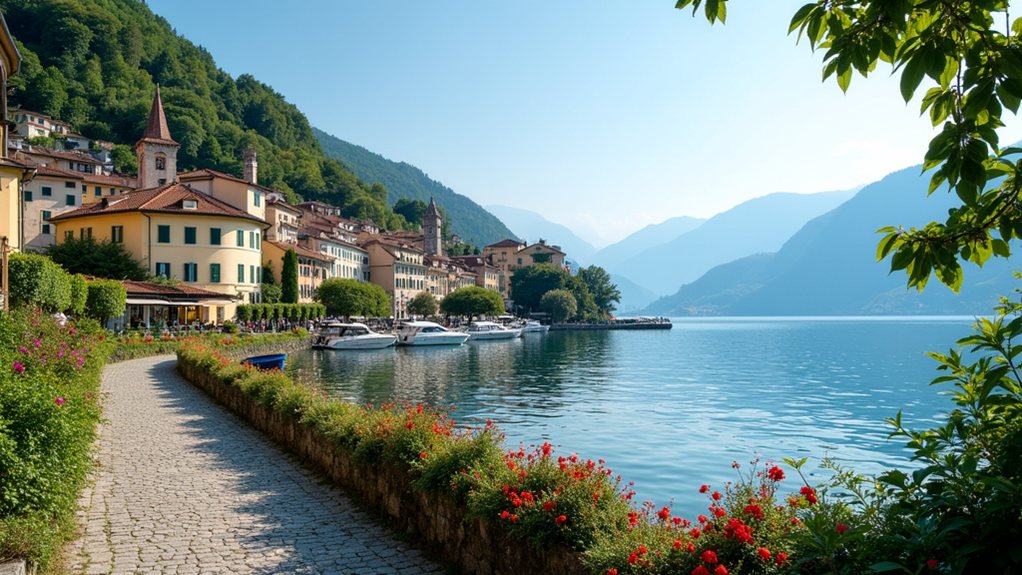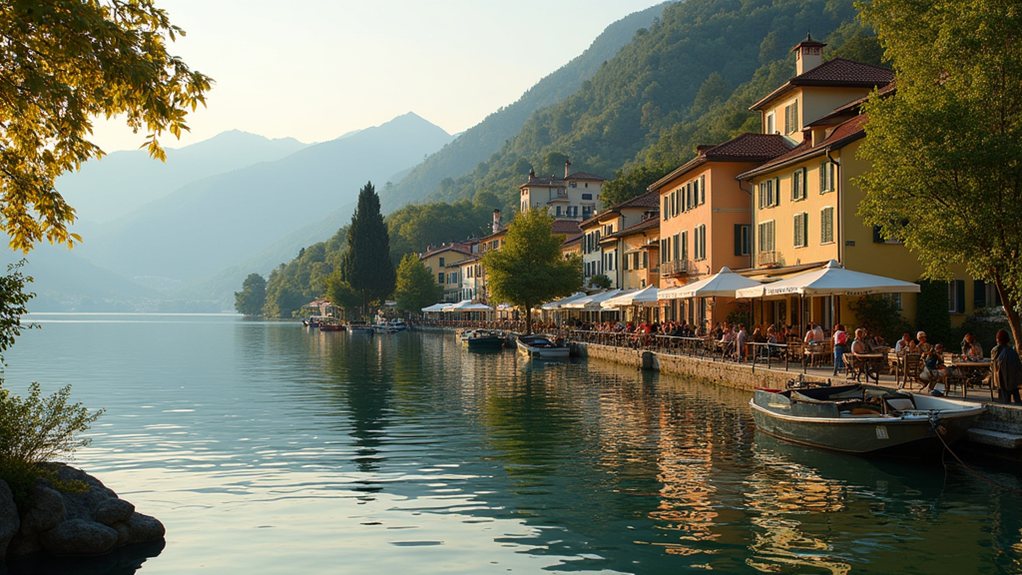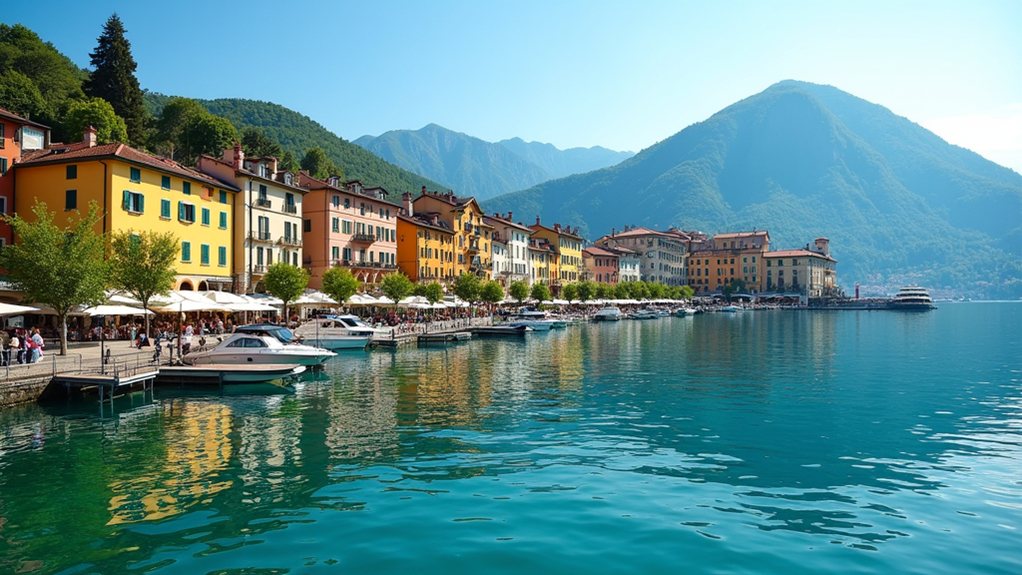

Imagine waking up to the sparkling waters of Lake Como, where the choice between short-term rentals and long-term housing is more than just a matter of taste—it’s a decision that shapes both lifestyle and income. For property owners gazing across those blue-green waves, the debate is real: should they plunge into the bustling world of short-term rentals or settle into the steady rhythm of long-term rentals? Each path offers its own blend of excitement, responsibility, and financial outcomes.
Short-term rentals, especially those managed through platforms like Airbnb, have become a favorite for those seeking flexibility and higher potential earnings. The numbers are alluring: in Lake Como, the average annual rental revenue for short-term listings is about €27,805. With an average daily rate of €233 and an occupancy rate of roughly 42.6%, owners can see substantial income—particularly during the region’s busy tourist seasons, when guest demand soars. Just imagine a summer filled with guests from around the globe, each one enthusiastic to experience the magic of Italy’s most famous lake.
Lake Como’s short-term rentals offer flexible hosting and impressive returns, with owners earning over €27,000 annually from global guests.
No wonder so many owners choose to offer their entire home or apartment, as about 92.3% of listings cater to guests craving privacy and comfort.
However, there’s a catch. The thrill of greeting new guests also comes with management concerns. Short-term rentals involve frequent turnovers, cleaning between stays, and the ongoing quest for positive reviews. Cleaning fees alone average around €101 per booking, which eats up about 10.1% of the gross rental revenue. Owners must be ready to handle everything from lost keys to last-minute bookings, sometimes feeling more like hotel managers than landlords.
For some, the adventure is part of the charm, while others might find themselves longing for a little less chaos.
Enter long-term rentals: the reliable, steady heartbeat of the property world. With contracts lasting at least 30 days and income registered with the Income Revenue Authority, these rentals offer stable income and peace of mind for property owners. There are fewer management concerns, as tenants usually take care of the home themselves, and the need for constant cleaning and guest communication disappears.
The trade-off, of course, is that long-term rentals usually yield lower returns compared to the peaks of the short-term market. Still, for those seeking predictability and less hands-on involvement, the long-term route can feel like a gentle cruise across calm waters, rather than a wild ride through tourist season.
Ultimately, the decision rests on priorities: excitement and higher rental revenue, or stable income and simplicity. In Lake Como, both paths offer their own rewards.