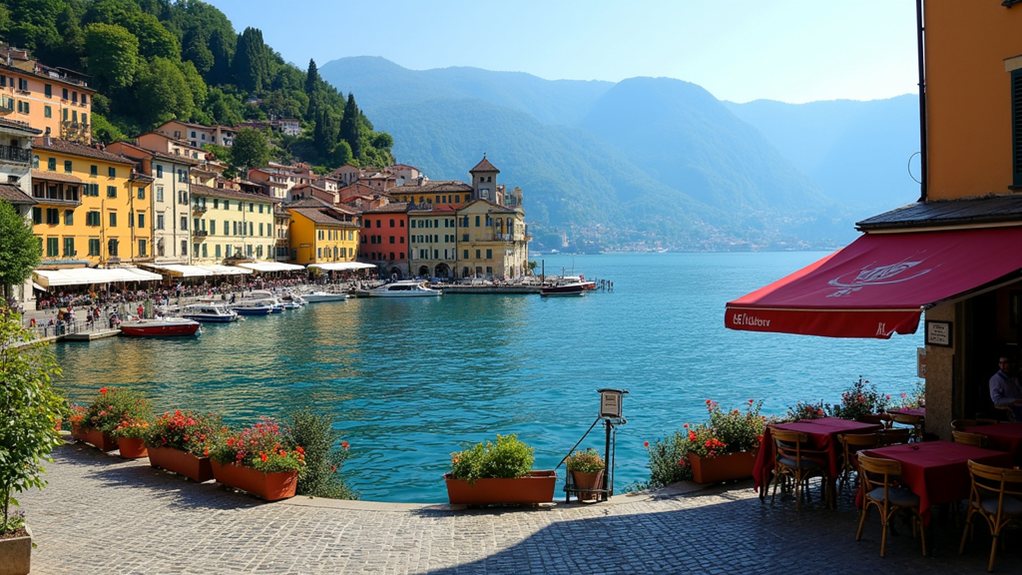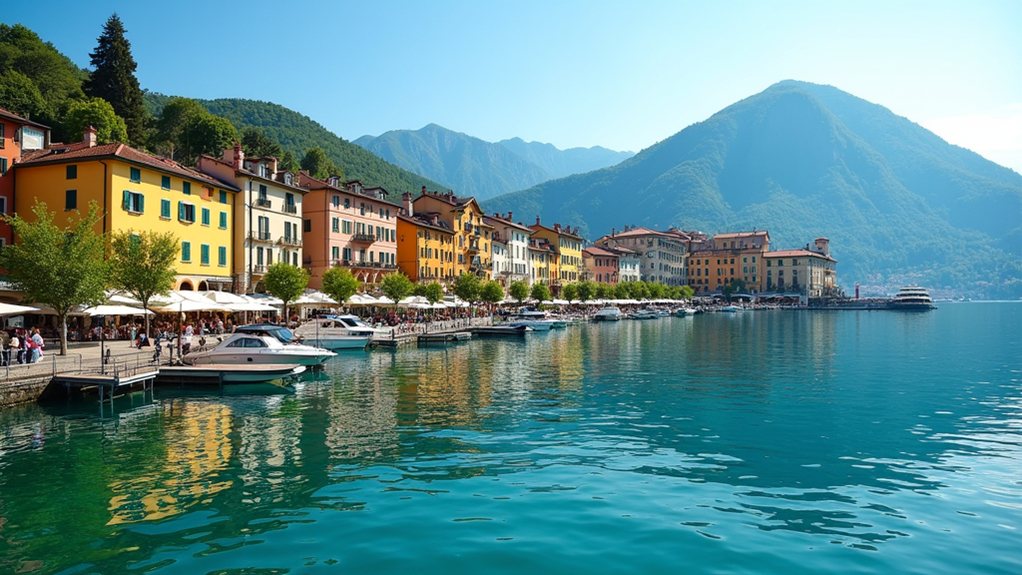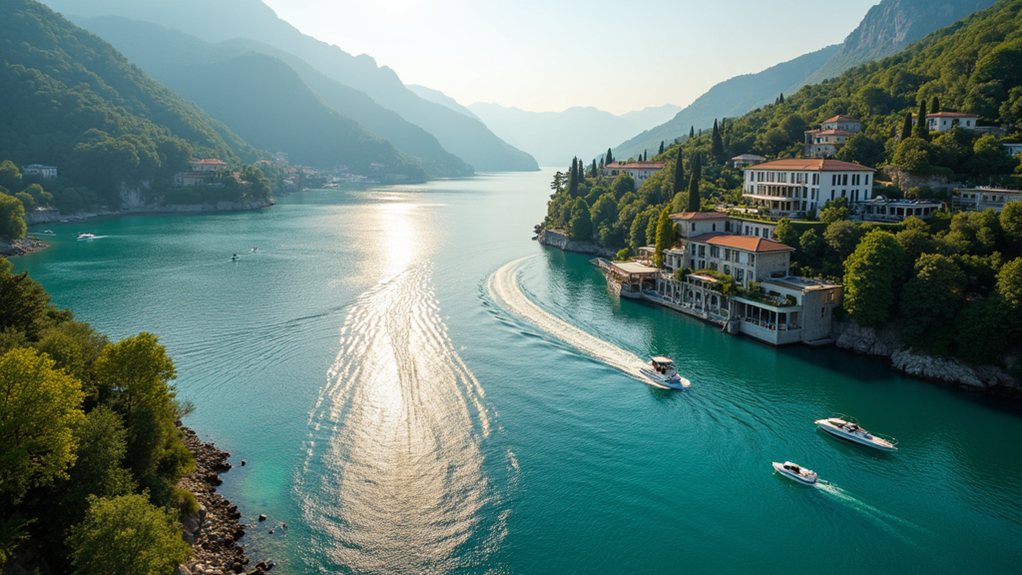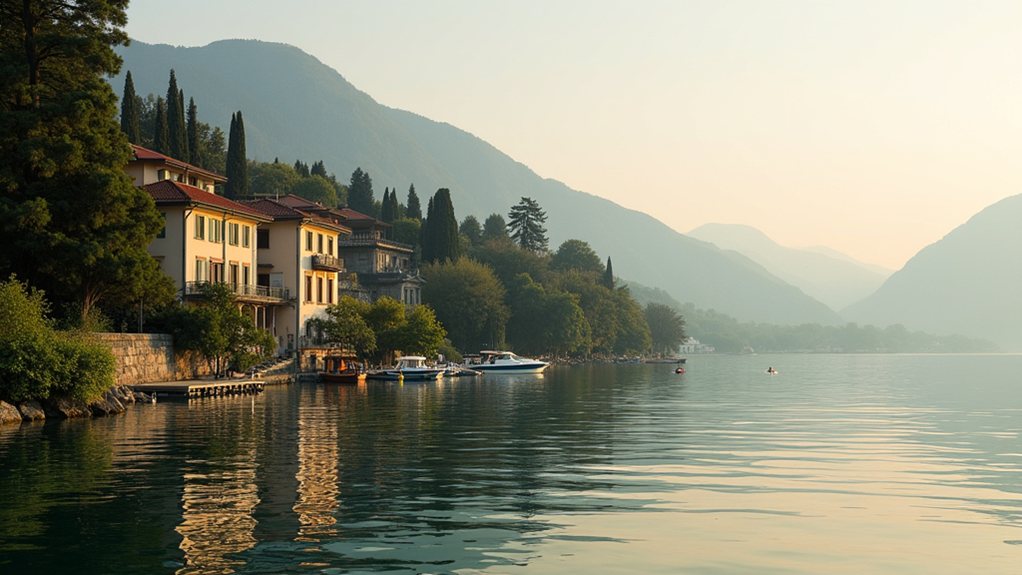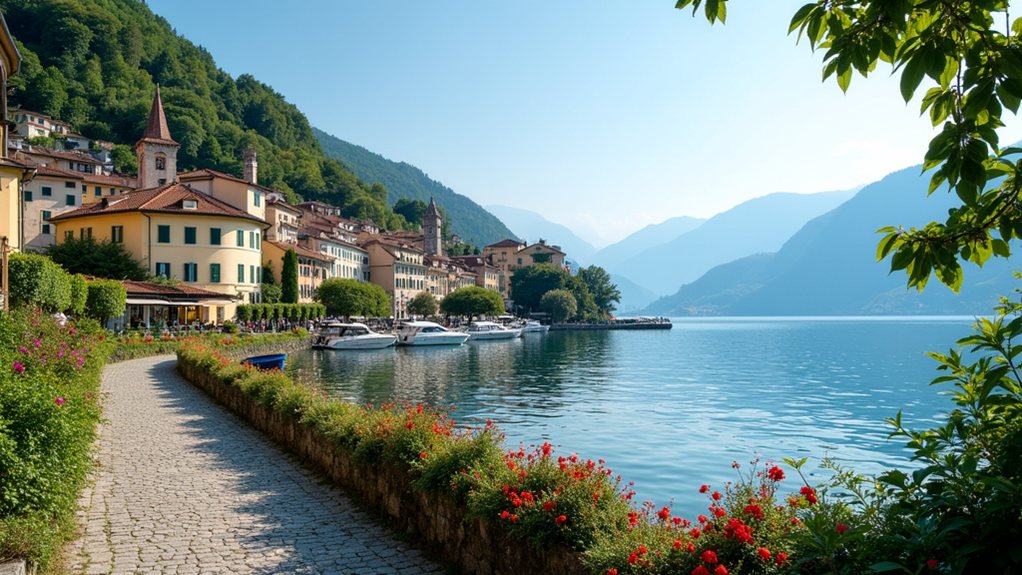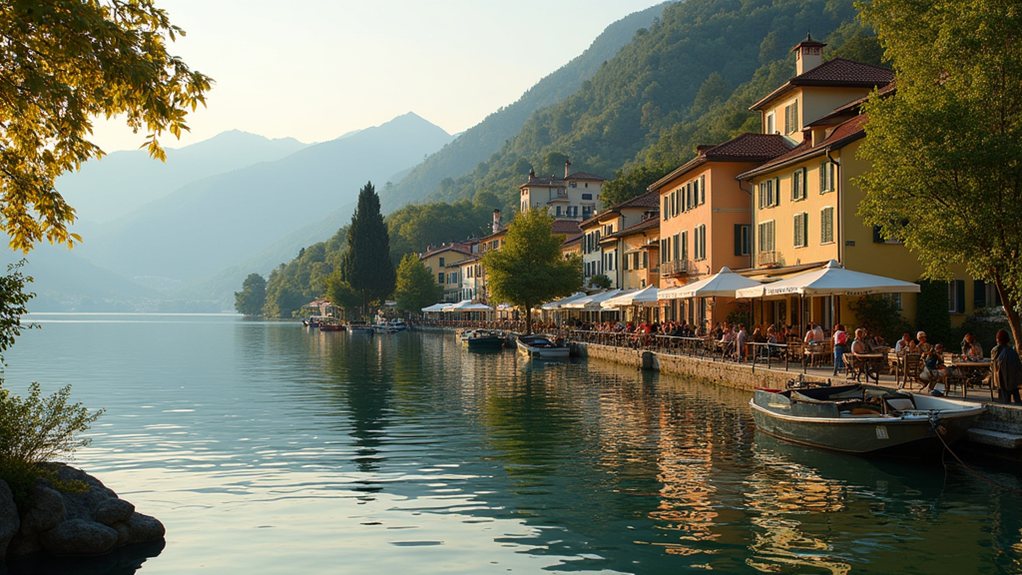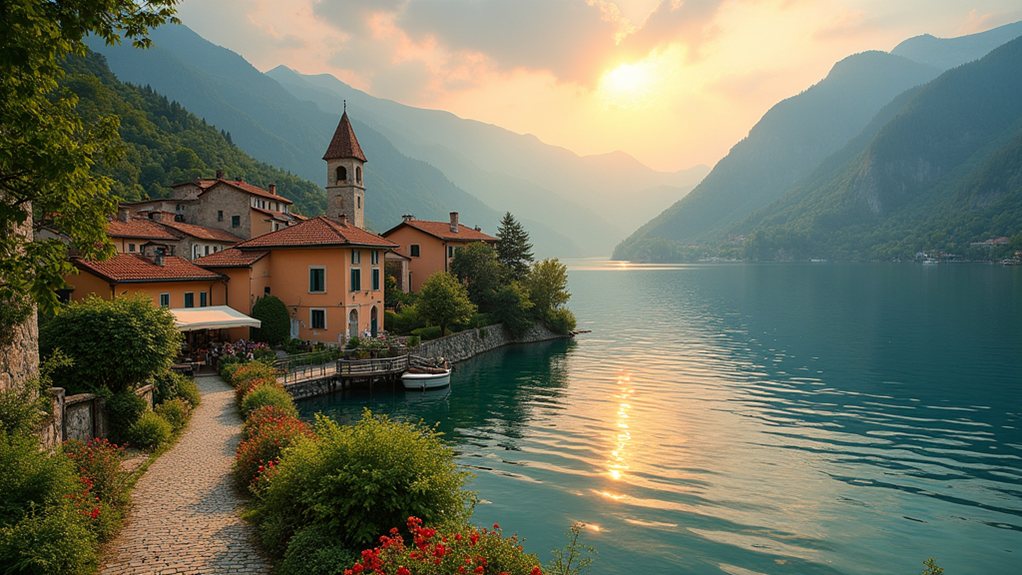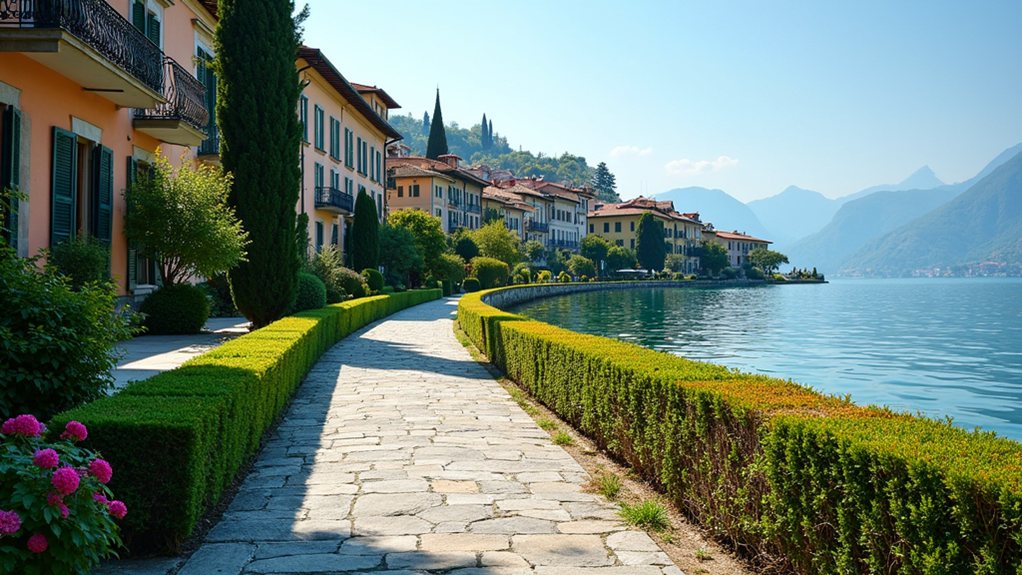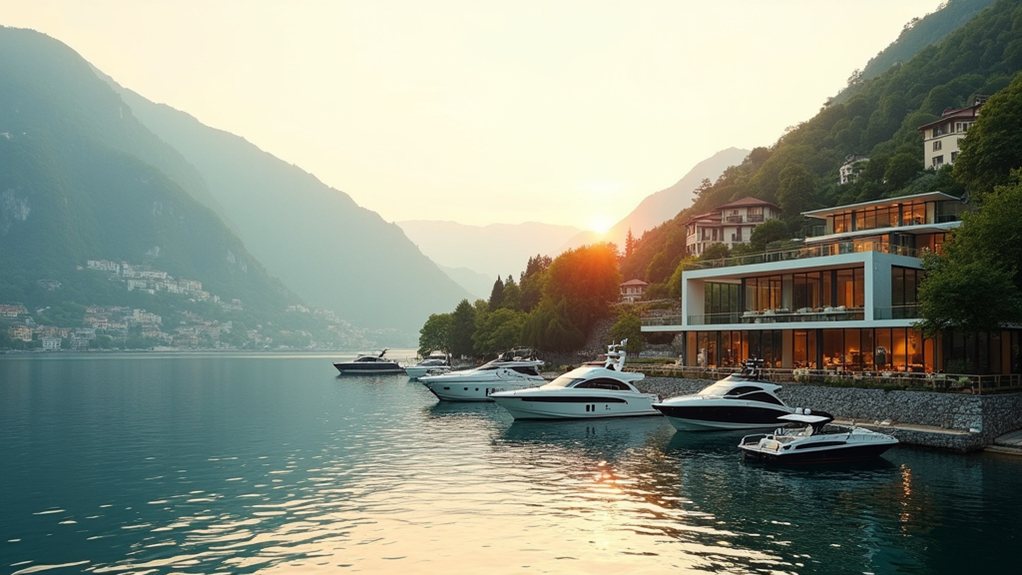

Although Lake Como has long been known for its breathtaking scenery and charming villas, the area is now making waves in the world of luxury travel. Recent years have seen a surge in luxury hotel development, capturing the attention of global investors and travelers seeking exclusivity. With the opening of Palazzo San Gottardo scheduled for February 2026, Lake Como’s hospitality market is entering a new era where high-end accommodations and unique wellness offerings are at the forefront of guest expectations. The region’s market stability ensures that investments in luxury properties remain attractive.
Major international brands, including Radisson, Marriott, and Raffles, are planning new developments, signaling Lake Como’s shift into an ultra-premium market. This influx of global investment is not just about constructing beautiful buildings; it is about redefining what luxury means in a region already celebrated for its elegance. As these luxury hotels rise, competition intensifies, with each hotel working to offer the most exclusive experiences, from private lakeside suites to curated spa and wellness programs. Guests are now looking for more than just a place to sleep—they seek holistic experiences that blend relaxation, adventure, and cultural immersion.
Lake Como is redefining luxury, as global hotel brands compete to deliver immersive, ultra-exclusive experiences beyond traditional hospitality.
While this focus on high-end accommodations increases the allure of Lake Como, it also puts pressure on the rental market. Traditionally, the area’s rental market has been a popular choice for visitors who want to experience local life in private villas or apartments. However, with the rapid growth in luxury hotel supply, there are concerns about how this will impact rental pricing and availability. As tourists become more attracted to all-in-one wellness offerings and premium service, some property owners may shift from long-term rentals to short-term luxury stays, changing the dynamics of property utilization across the region.
Increased development activity is further complicated by limited land availability around the lake. This scarcity is prompting property owners, investors, and local policymakers to reconsider how space is used, and whether regulations should evolve to facilitate a balance between hotel growth and rental market needs. Adapting to shifting tourism dynamics, the rental market may need to innovate, perhaps by enhancing service levels or focusing on niche experiences that differentiate from the hotel sector.
Additionally, understanding the market dynamics is crucial for property owners to navigate these changes effectively.
Despite these challenges, excitement in Lake Como is palpable. The region stands at the crossroads of tradition and evolution, embracing global investment and modern luxury while seeking to maintain its unique character. As both luxury hotels and the rental market adapt, Lake Como continues to shine as a world-class destination, offering visitors a blend of timeless beauty and contemporary indulgence.