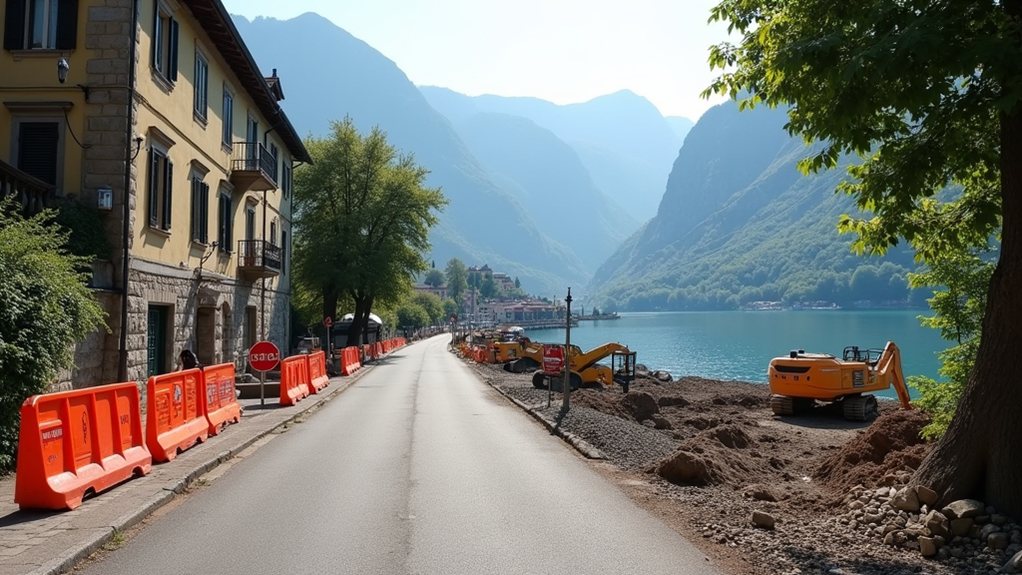

How does a peaceful lakeside region suddenly become the center of travel chaos? In Lake Como, what began as a typical serene setting has been transformed by a series of intense flash floods and landslides. These natural events have forced road closures on some of the area’s most important routes, including the Regina Road (SS340) and the Lariana Road (SS583). With these key transportation links blocked, getting from one village to another, or simply making it to work or school, has become a daily puzzle for both residents and tourists alike.
The situation grew even more complicated when part of the structure at San Giovanni station collapsed, adding to the growing list of infrastructure challenges. With the station out of commission, commuters are left searching for alternative ways to get around, often facing long detours and frustrating delays. Additionally, the ongoing property ownership costs in the region have made it difficult for residents to manage expenses amid these disruptions.
The collapse at San Giovanni station has forced commuters into long detours and delays, adding to Lake Como’s mounting travel woes.
The flash floods have not only blocked roads but have also damaged bridges and washed away sections of pavement, making access to some areas nearly impossible without the help of emergency services.
Local authorities have been quick to step in, issuing urgent advisories that urge everyone to limit travel unless absolutely necessary. Safety is their top priority, as landslides and unpredictable weather continue to pose new risks every day. Emergency response teams, including firefighters and civil protection units, are working tirelessly to clear debris, redirect traffic, and help stranded travelers. Their efforts are impressive, but the sheer scale of the travel disruptions means that normal life in Lake Como is on hold for now.
The impact of these road closures extends far beyond inconvenience. Tourists, who usually flock to the region for its beauty, now find themselves stuck in hotels, unable to reach popular attractions or even basic services. Residents face major delays just to get groceries, attend medical appointments, or pick up their children from school.
Businesses that rely on steady transportation are also feeling the pinch, as deliveries are delayed and customer access is limited. This situation is accentuated by the fact that seasonal rentals have already strained local housing availability, making it harder for residents to cope.
Despite the chaos, there is a sense of community and resilience in the air. Neighbors are checking in on each other, sharing information, and sometimes even lending a canoe (or two) to help someone reach a flooded area.
While the infrastructure challenges are serious, the determination of the people and the dedication of emergency response teams offer hope that Lake Como will eventually return to its tranquil self—with a few new stories to tell.