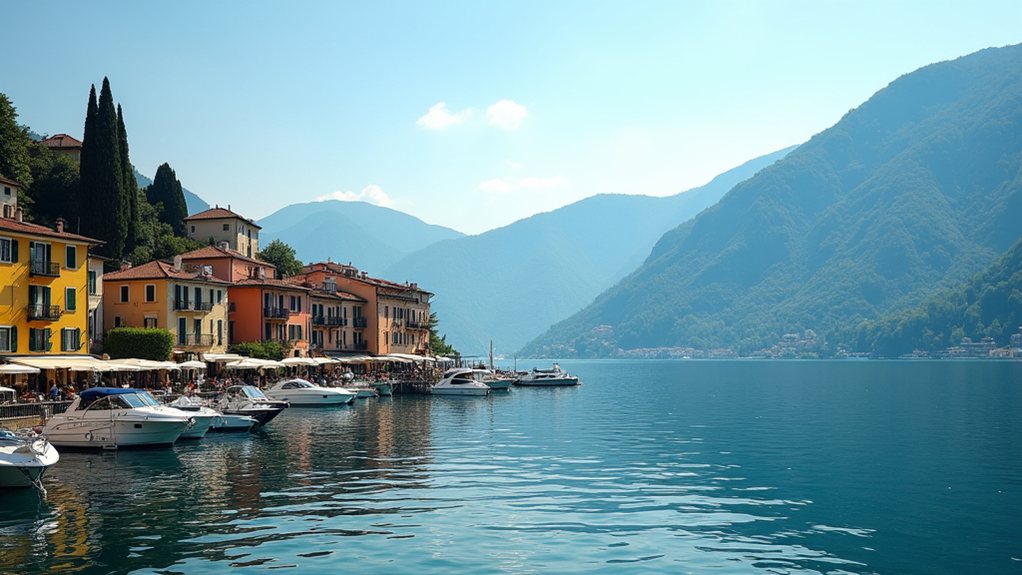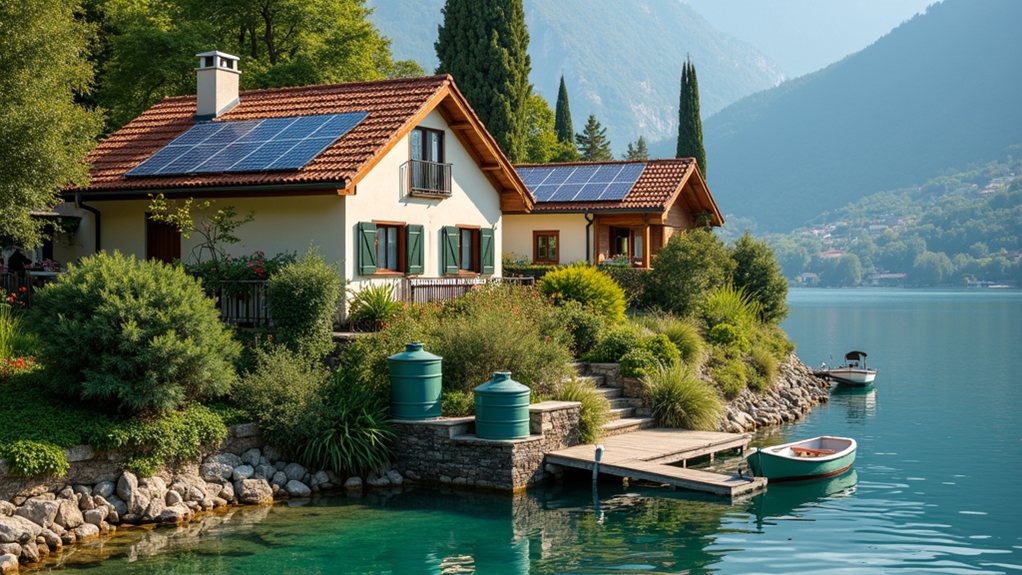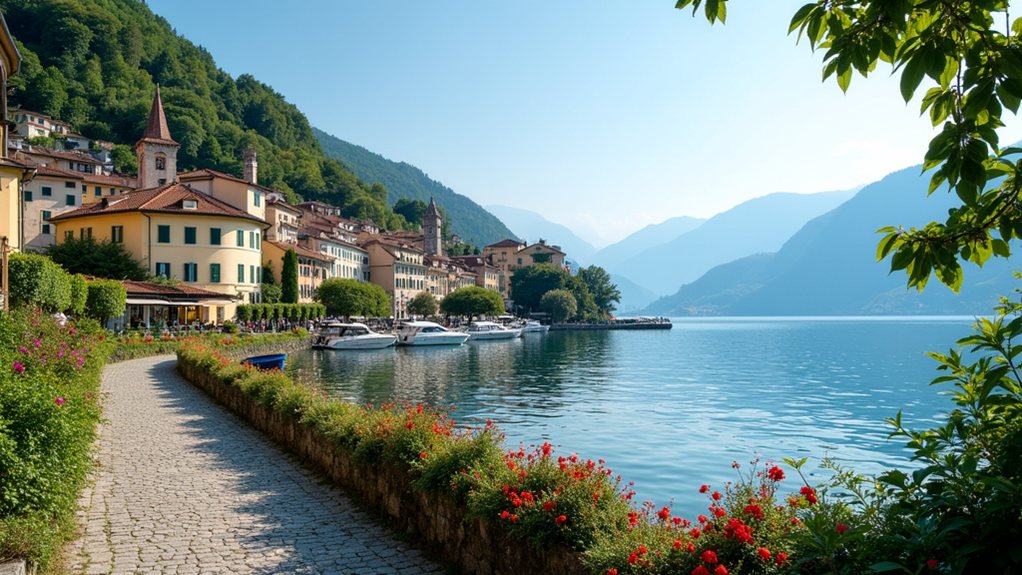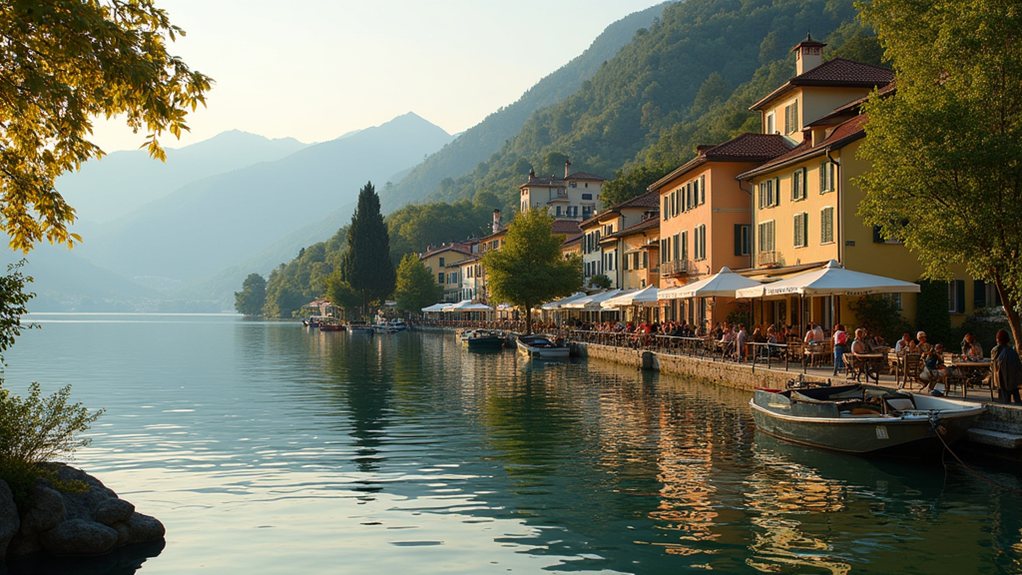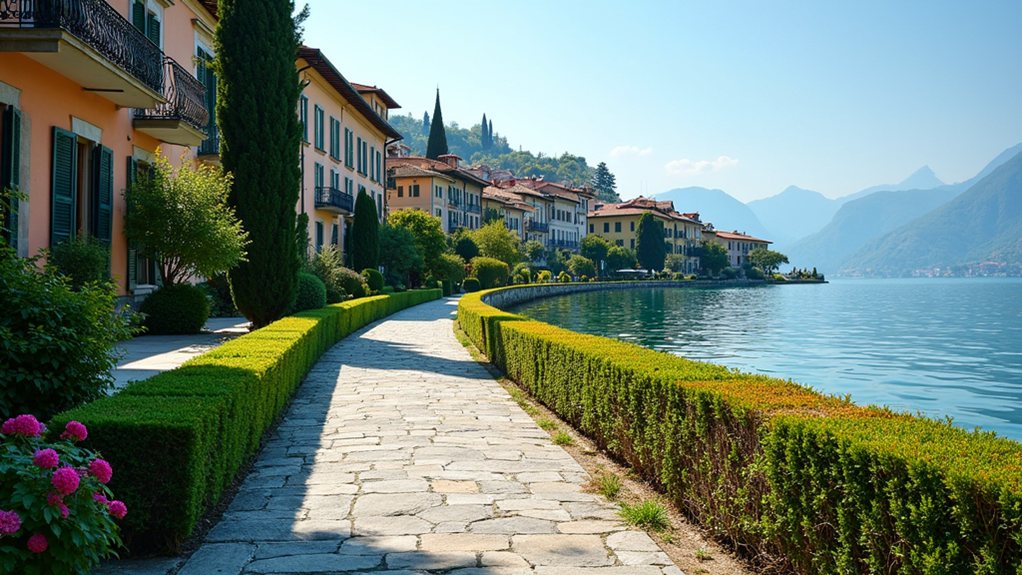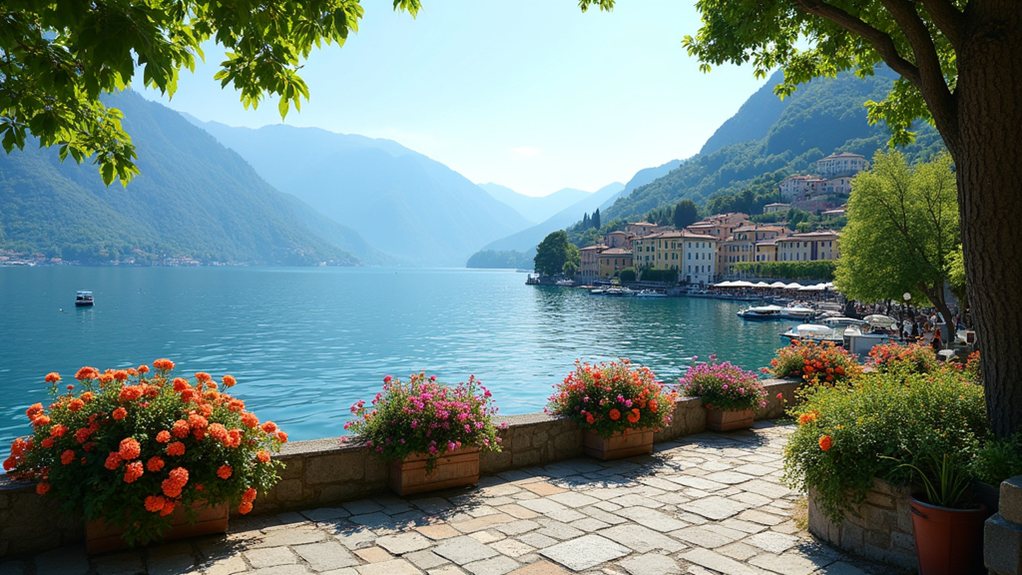

While Lake Como is famous for its breathtaking scenery and celebrity visitors, there’s more to this Italian gem than picturesque views and glamorous villas. Recent shifts in Italy’s economic conditions are creating a ripple effect that could benefit everyday residents, not just those with star power.
With the national economy forecasted for robust growth, experts believe that this upswing is beginning to influence the Lake Como property market in some surprising ways.
Property values in the province of Como have already experienced a year-over-year increase of 2.7%. This positive price trend reflects not only the local area’s desirability but also the broader stability of Italy’s economy. As national indicators show a rising house price index and improved mortgage conditions, those living in Lake Como may find that their cost of living is lower than in more volatile urban markets like Milan or Rome, where prices can swing like gondolas in a storm. Additionally, monthly rent ranges from €760 to €1,200 for standard apartments, which remains competitive compared to other major cities.
Lake Como’s rising property values mirror Italy’s economic stability, offering a more predictable and affordable alternative to cities like Milan or Rome.
The Lake Como property market, while still attracting foreign buyers and luxury-seekers, is showing signs of steadier investment strategies as investors respond to these more predictable economic conditions.
Rental demand remains strong, thanks to the region’s booming tourism and the influx of cross-border workers. While rental supply levels are tightening in the most sought-after neighborhoods, this hasn’t led to runaway prices. Instead, demand is helping to stabilize costs for both renters and homeowners.
Foreign buyers, often seen as the culprits behind rising prices, are now being met with smarter investment strategies and stricter planning restrictions designed to protect local communities and prevent unsustainable spikes in property values.
Public investment is also playing a key role. With €3.9 billion earmarked for urban regeneration projects throughout the area, improvements to local infrastructure are on the horizon. These enhancements could help keep living expenses in check, counteracting some of the pressures seen in larger urban markets. Additionally, understanding long-term rental agreements can provide further stability for those looking to settle in the region.
Projects like the SS340 Regina Variante road are expected to reduce traffic jams and make daily commutes smoother, which means less time and money spent on travel for residents. These enhancements could help keep living expenses in check, counteracting some of the pressures seen in larger urban markets. Moreover, ongoing costs such as utilities can add an extra layer of financial planning for residents.
While Lake Como might always be a magnet for movie stars and Instagram influencers, its economic outlook suggests a future where local residents can enjoy both the beauty and the benefits of a thriving, well-managed region.
If the current trends continue, even those without a private villa may find Lake Como a little easier—and more affordable—to call home.