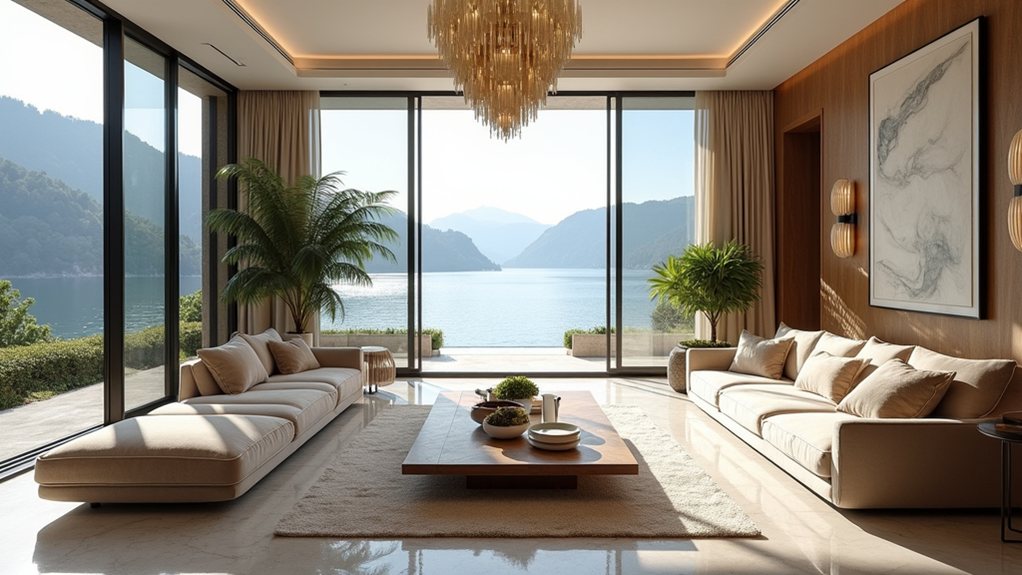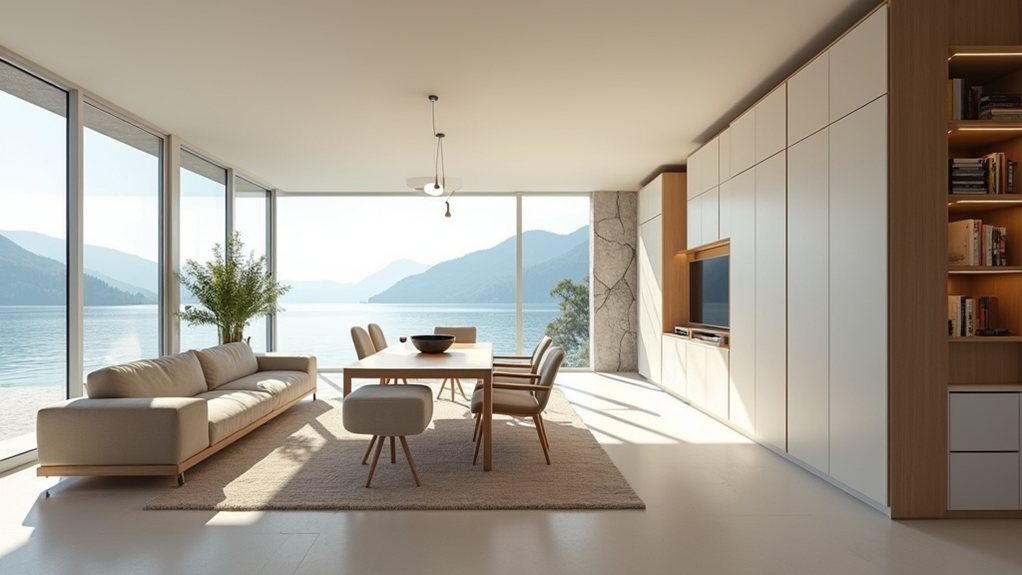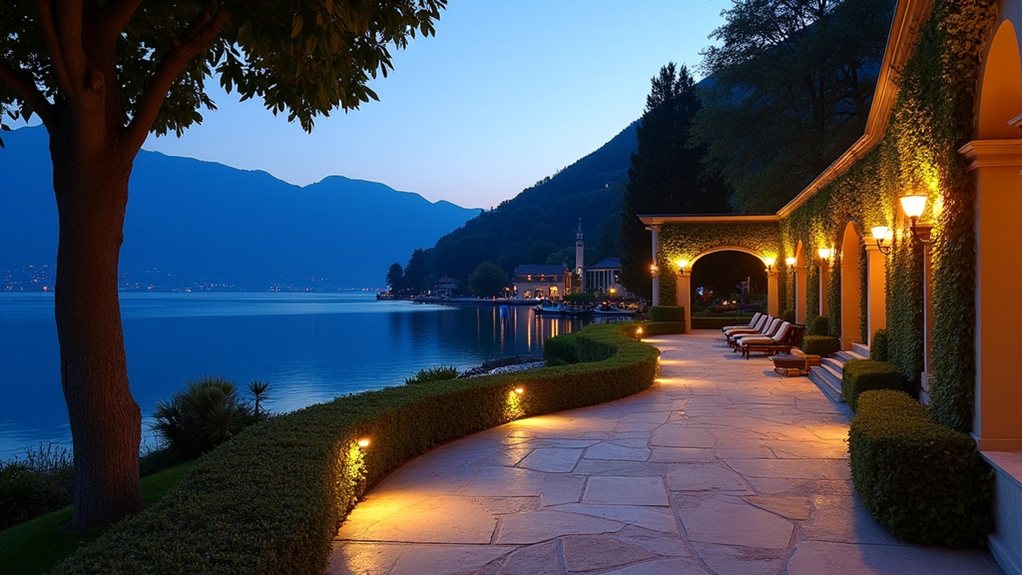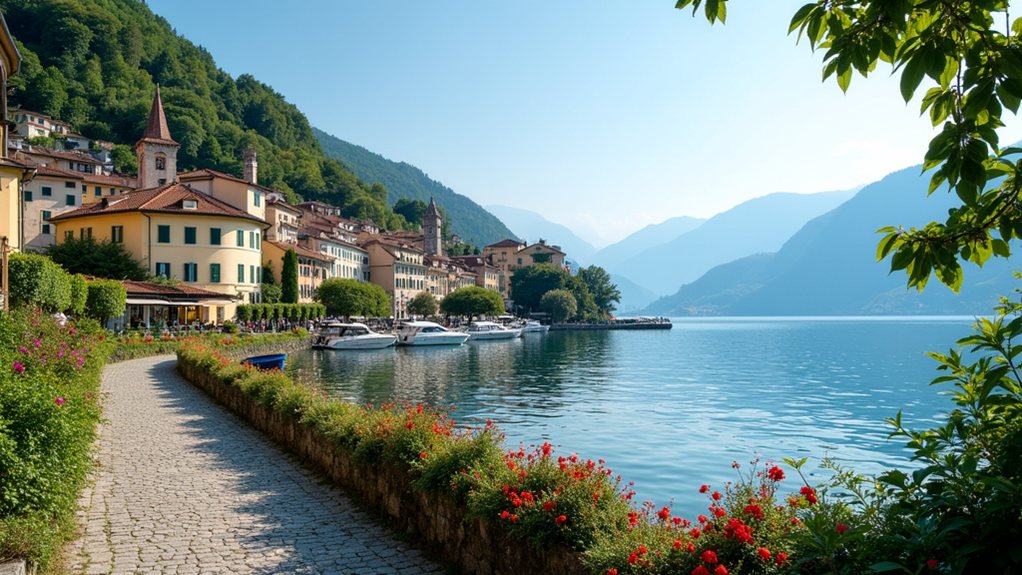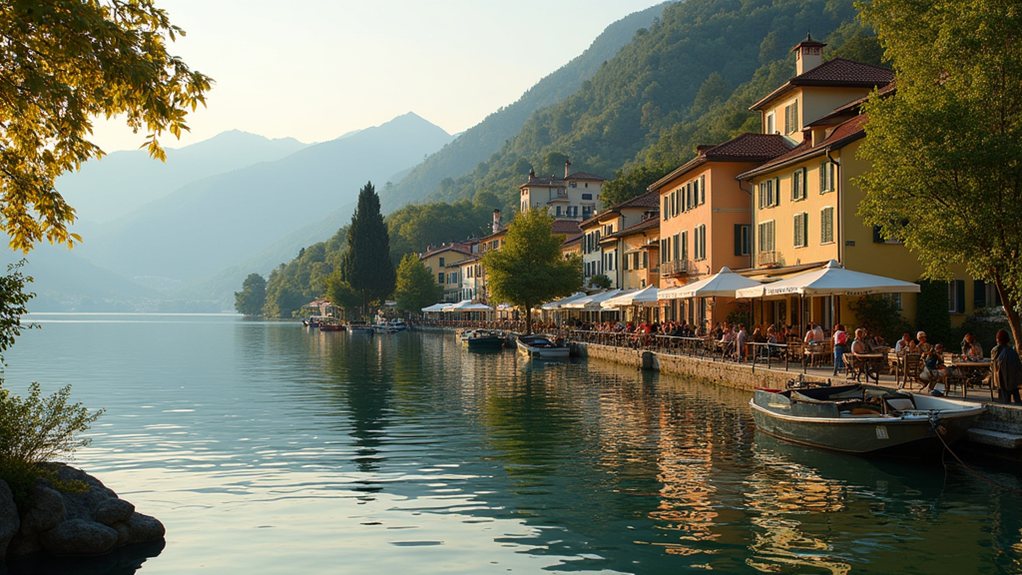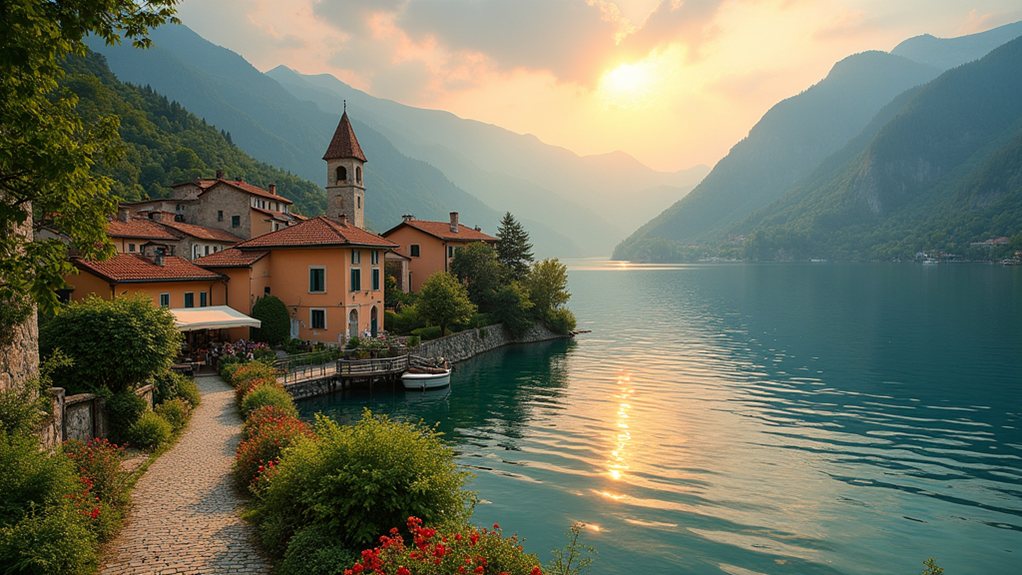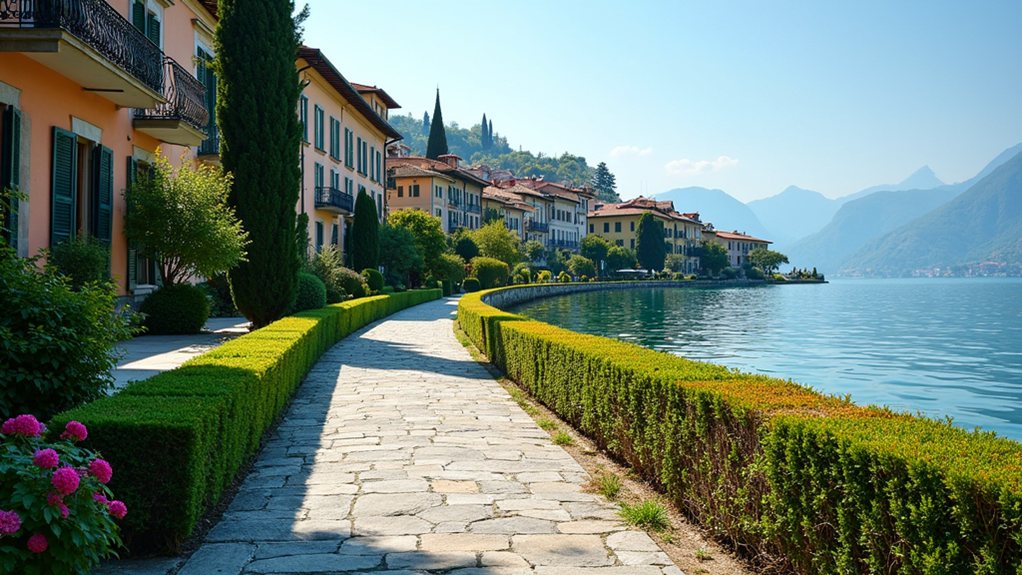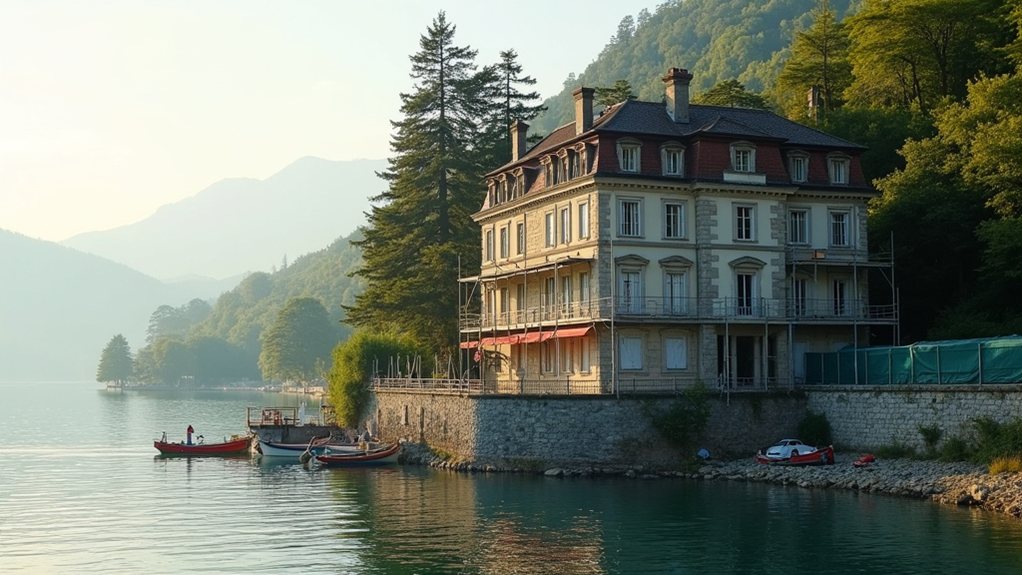
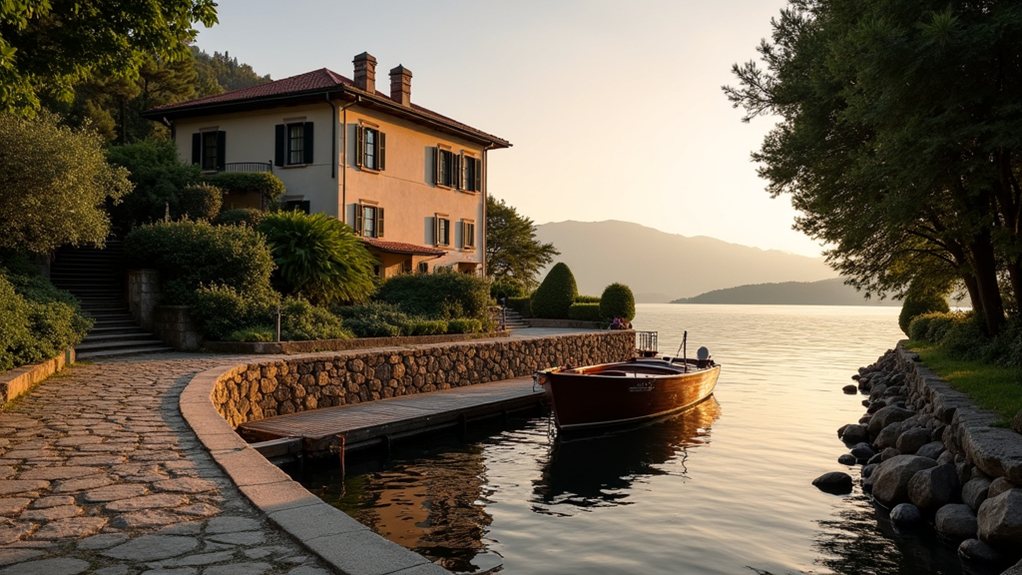
In the heart of Italy’s famous lake district, Lake Como’s charming old villas are attracting a new wave of enthusiastic homeowners, all keen to breathe fresh life into these storied properties.
However, as these new owners set out to restore and modernize their dream homes, they are quickly discovering that renovation costs have surged, largely due to a growing need for compliance with strict EU standards on energy efficiency and sustainability. Choosing a practical base for a longer stay can also influence the renovation process, as it allows owners to manage their project timelines more effectively.
Renovating a Lake Como villa now means higher costs, as strict EU standards for energy efficiency and sustainability drive budgets upward.
Unlike a simple paint job or a new set of shutters, bringing an older property up to date can mean a significant investment. Insulating centuries-old stone walls and installing modern energy systems can cost as much as 30% more than just a few years ago, leaving many renovators blinking at their renovation budgets.
The push for energy efficiency is not just about saving a few euros on electricity. EU regulations now require homeowners to meet certain environmental standards, which means updating heating systems, improving insulation, and sometimes even replacing windows—no easy feat when dealing with historic facades and strict local planning regulations.
Not only do these changes increase operational costs during renovation, but they can also stretch timelines as projects wait for approvals or the right materials to arrive. Access to reliable transport connections can help owners better coordinate their renovation efforts and make necessary trips to obtain materials.
Buyers hoping for a quick and budget-friendly fix might be in for a surprise. Even modest properties in Lake Como can demand renovation budgets ranging from €20,000 to €50,000 or more, especially when extensive updates are required.
The growing desire for sustainable properties only drives costs higher, as buyers invest in solar panels, eco-friendly insulation, or advanced climate controls.
Another challenge comes from the tight supply of skilled labor in the area. With so many people hoping to update their properties at once, finding experienced craftspeople—especially those who understand both old-world charm and modern compliance—can be a bit like searching for a needle in a haystack.
These delays and specialist requirements not only add to renovation costs, but also require owners to be patient and flexible as they bring their dream homes to life.
Despite the hurdles, the reward is a beautifully updated property that blends history, sustainability, and modern comfort.