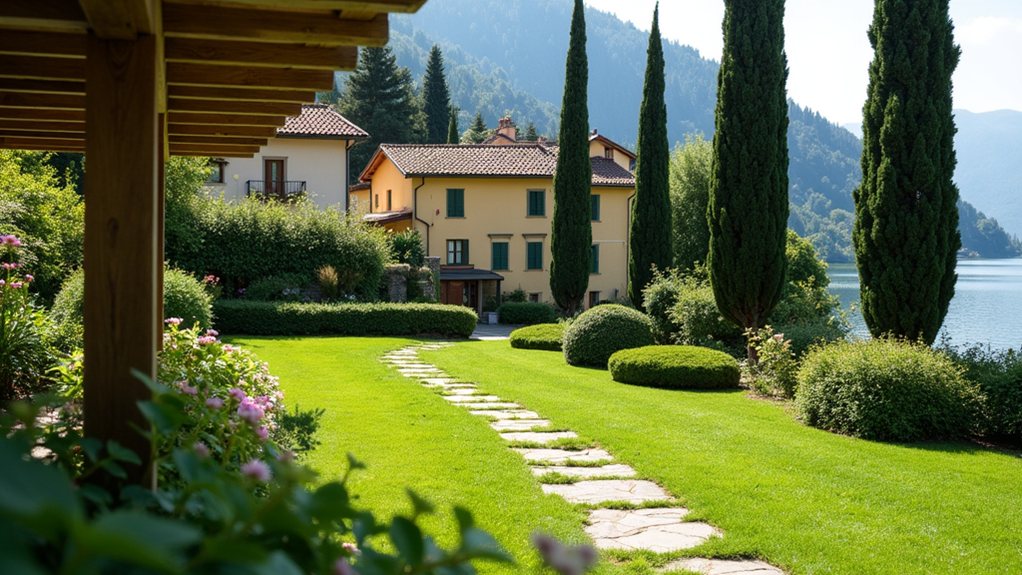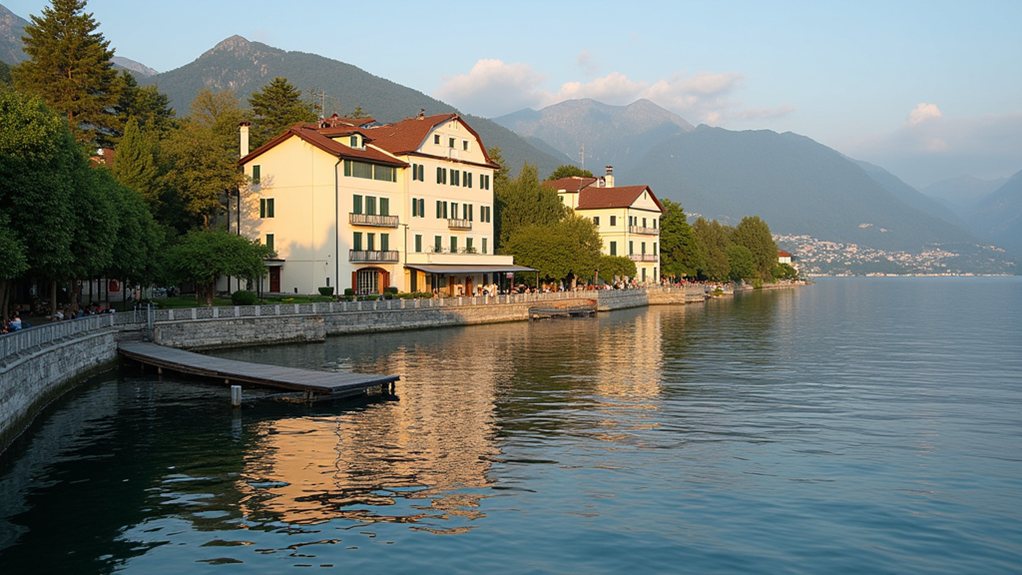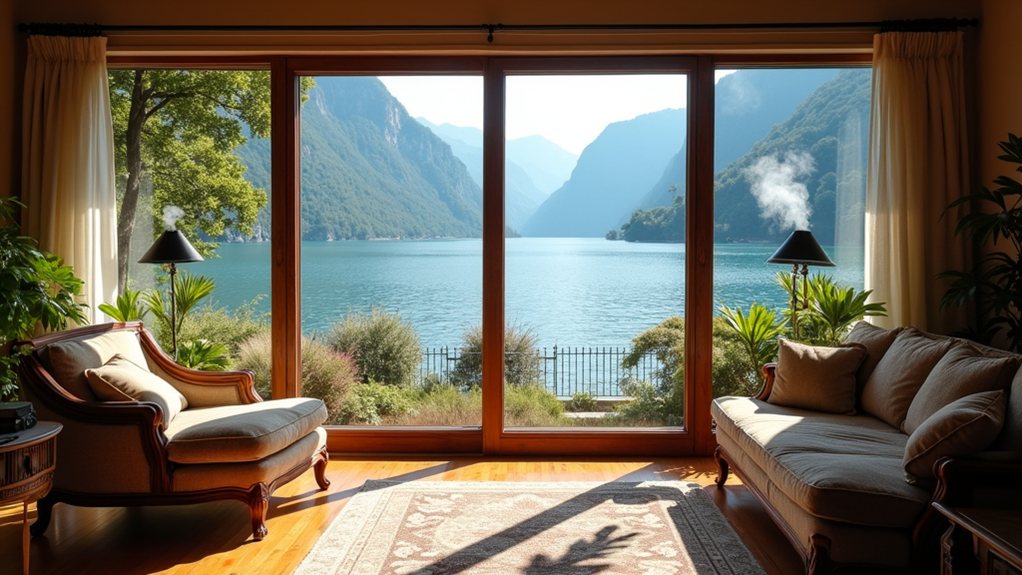

How often do people think about the hidden dangers lurking inside their beautiful Lake Como homes? Many are captivated by the charm of Lake Como, its history, and the elegance of early 20th-century villas that line its scenic shores. Yet, even these picturesque homes can harbor unwelcome guests—dangerous indoor materials that threaten health. The phrase “Rights Reserved” might be stamped on nostalgic postcards, but unfortunately, no one can reserve their right to clean air unless they actively protect it.
Even Lake Como’s grandest villas can conceal hidden indoor dangers—clean air isn’t guaranteed unless we make it a priority.
Within these homes, formaldehyde often sneaks in through stylish furniture and decorative finishes. Inhaling this chemical can irritate airways, trigger allergies, and, over time, cause more serious health issues. Housing prices in the area can drive residents to choose cheaper furniture options, which may contain these harmful substances.
Paints and varnishes, especially those from older renovations, often emit volatile organic compounds, or VOCs. These invisible gases may seem harmless but can provoke headaches, dizziness, and even respiratory problems. For a region celebrated for its fresh lake breezes, it’s a cruel twist that indoor air can be far more polluted.
Another hidden foe thrives particularly well in the Lake Como area: mould. Thanks to frequent humidity and sometimes less-than-ideal ventilation in historic buildings, mould spores can flourish behind walls or under floors. Children are especially at risk, as their developing lungs are more sensitive to the tiny airborne particles released by growing mould. It’s not just an unsightly nuisance—it’s a real health threat.
Off-gassing is another process residents should be wary of. Modern comforts like polyurethane cushions and flame-retardant materials in sofas or mattresses can emit carcinogenic compounds into the air over time. Nobody wants their relaxing living room to double as a chemistry experiment, but without regular attention, that’s exactly what can happen.
Dust is often underestimated, seen as a simple cleaning chore rather than a health hazard. But in Lake Como homes, dust accumulates more than just pet hair and crumbs—it carries lead, pesticides, and, yes, even more mould spores. Regular cleaning and dust management become essential steps in the battle for breathable air.
Thankfully, homeowners can fight back. Incorporating native Lake Como houseplants does more than add a splash of green—they naturally absorb toxins like formaldehyde and benzene, making the indoor environment safer. Moreover, understanding local rental market insights can also help residents make informed choices about their living spaces to promote better health.
With a blend of awareness, regular cleaning, and a few well-chosen plants, even the oldest villa can become a sanctuary, not a risk. So, perhaps it’s time to look beyond the views and think about what’s floating inside.