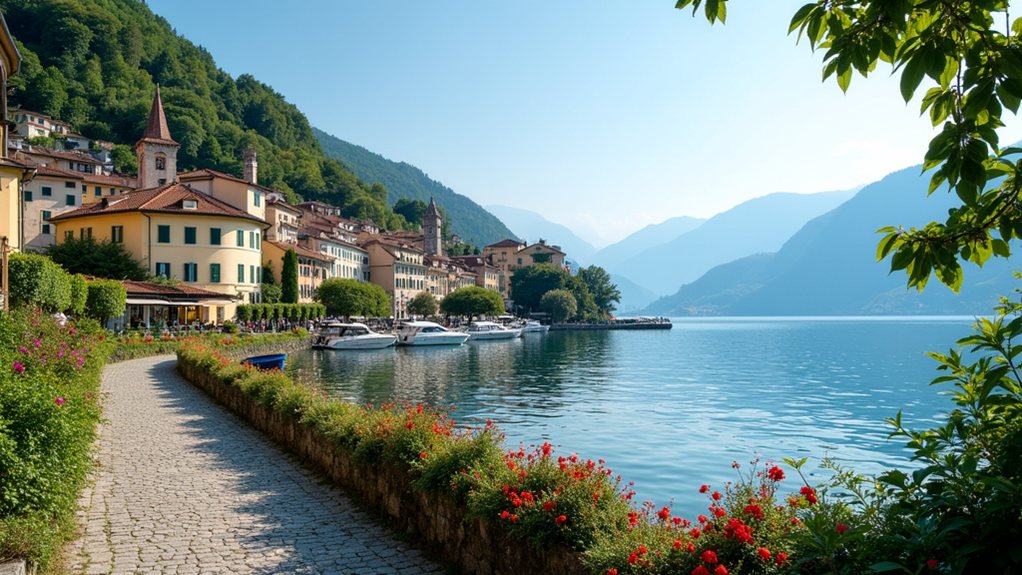

How do new banking rules affect those dreaming of owning a villa by Lake Como? For many, the vision of waking up to sparkling water and lush green hills—perhaps in a grand estate reminiscent of the early 20th century—remains as appealing as ever. Yet, achieving this dream now comes with new challenges. Italy has updated its banking controls, and Lake Como property owners must navigate stricter regulations designed to combat money laundering. These changes mean that anyone hoping to purchase property in this iconic region must be ready to provide a mountain of paperwork, not just a down payment and a love of breathtaking views.
Dreaming of a Lake Como villa now means scaling new hurdles—stricter banking rules require more paperwork than ever before.
Prospective buyers are now required to show exactly where their money comes from, with banks and other financial institutions performing enhanced due diligence checks. No longer can would-be villa owners rely on vague explanations or simply flash a checkbook. Instead, the rules demand transparency reminiscent of a “Rights Reserved” clause—protecting not just the banks, but the reputation of this historic destination. The process, while not quite as romantic as sailing on the lake at sunset, is essential for maintaining the integrity of Lake Como’s real estate market. Furthermore, buyers must gather documentation to comply with the Eligibility Requirements set forth by lenders, ensuring a smooth transaction.
This increased scrutiny means that buying a home takes longer than it did in the early 20th century, when deals might have been struck with a handshake and a hopeful smile. Now, every detail of a property transaction is examined. Lawyers, notaries, and compliance officers pore over documents and contracts, ensuring that everything is above board. Additionally, the extremely limited supply of lakefront properties forces buyers to act quickly and decisively in a competitive market.
The result? Transactions can stretch out as banks double-check source-of-funds documentation and cross-reference details to meet anti-money laundering standards. While this might sound like a plot twist in a classic Italian novel, it’s a very real part of modern property ownership.
With more hoops to jump through, there are also higher costs. Legal and administrative fees are rising as experts work overtime to satisfy the demands of regulators. For buyers, this means budgeting not just for the villa but for the paperwork as well.
However, staying compliant is non-negotiable—those who don’t follow the rules may face penalties, or even lose their chance to own a slice of Lake Como paradise. In the end, while the path to ownership is more complex, the reward—a home by one of the world’s most stunning lakes—is as enticing as ever.