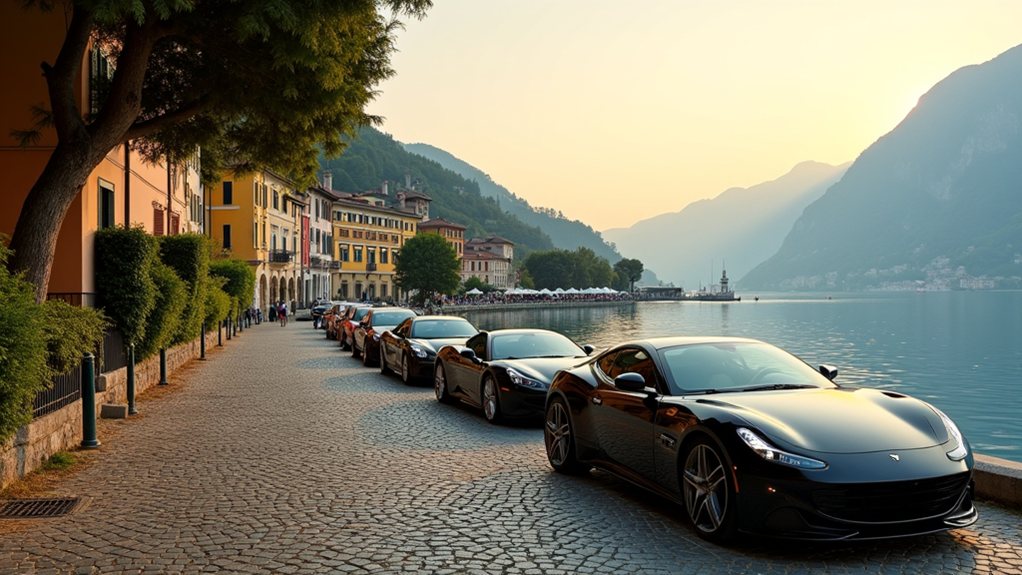

Although Lake Como is famous for its breathtaking scenery and celebrity visitors, owning a car in this stunning region comes with its own set of rules—especially when it comes to paying vehicle tax. The combination of winding lakeside roads and picturesque villages may seem like a dream, yet behind the scenes, residents must navigate a tax system that can take some of the shine off living in such a beautiful place.
In Lake Como, the annual vehicle ownership tax—known locally as “bollo auto”—is a regular part of life for anyone who keeps a car parked near those historic villas or tucked beside a cobblestone street. Unlike the early 20th century, when cars were rare and only the wealthiest residents drove through the hills, today’s Lake Como is filled with vehicles of all shapes and sizes, each one subject to these modern regulations.
The calculation of the vehicle tax hinges on two main factors: the engine’s power, measured in kilowatts (kW), and the car’s environmental classification. This means that a small, efficient vehicle, such as the beloved Fiat Panda, might cost about €135 per year in taxes, while a more powerful and luxurious car—say, a BMW 330i—can see annual tax bills soar to €450 or even higher. Additionally, property owners in the area may find that understanding ongoing property taxes can help them budget more effectively for their vehicles and overall living expenses.
The bigger the engine, the more it costs to keep the car on the road, which encourages some residents to think twice before splurging on a fancy set of wheels. This system is not unique to Lake Como, but the rates in Lombardy, the region that claims Lake Como as its own, are among the highest in Italy. This can make the overall cost of living noticeably steeper than in southern regions, where rates are lower and the sun is just as bright.
For those with eco-friendly ambitions, there’s a silver lining: Lombardy offers tax exemptions for electric vehicles, giving a gentle nudge toward greener travel. This policy aims to reduce pollution and preserve the natural beauty that has drawn visitors since the days when “All Rights Reserved” might have applied only to postcards of the lake. Furthermore, understanding property taxes can help residents budget more effectively for their vehicles and overall living expenses.
Looking ahead, another change is on the horizon. Starting in 2026, all vehicles registered in Italy—including those in Lake Como—must pay their annual tax in a single installment. This shift could make budgeting a bit trickier, but with careful planning, residents can continue to enjoy the privilege of driving through one of the world’s most enchanting regions.