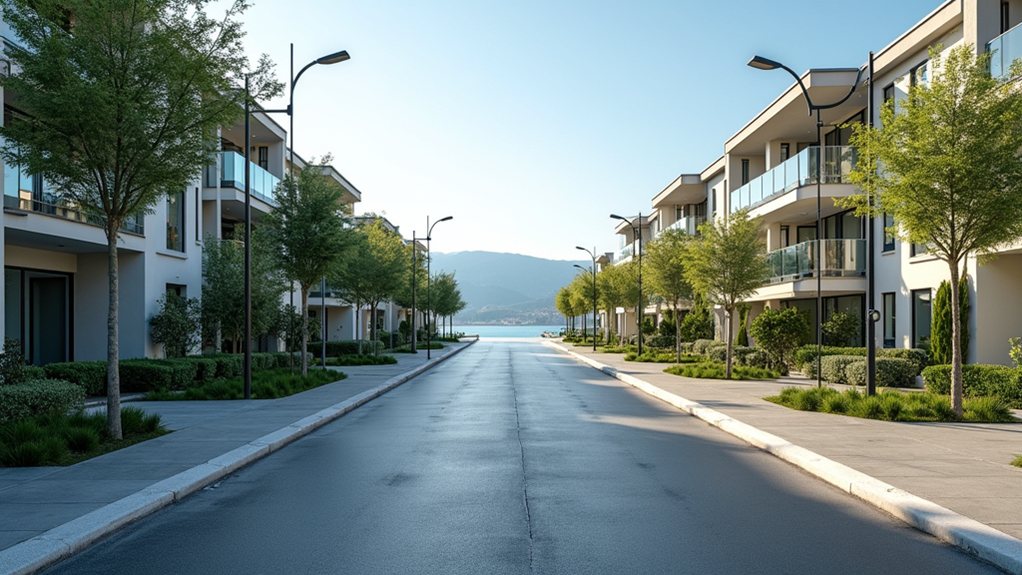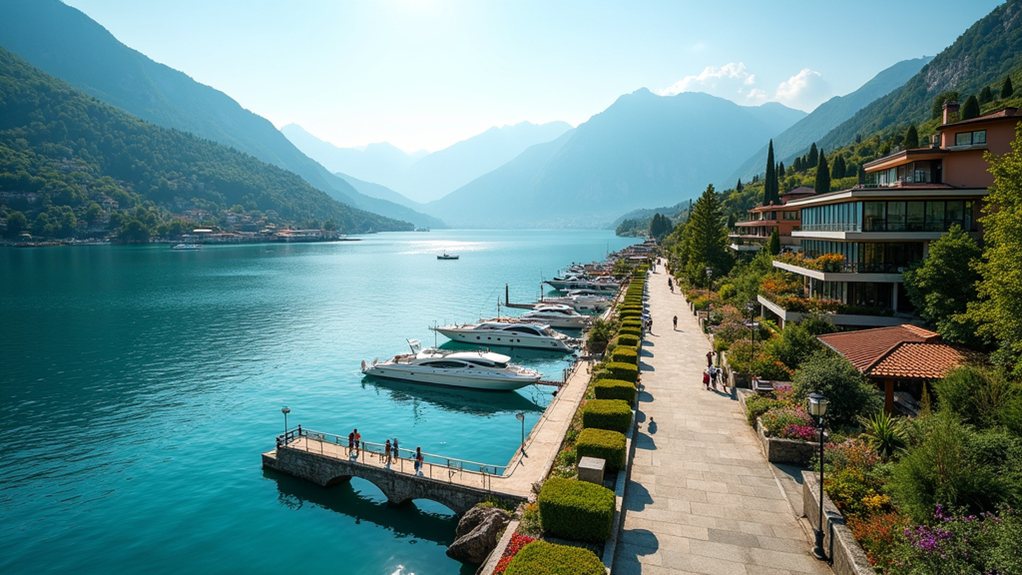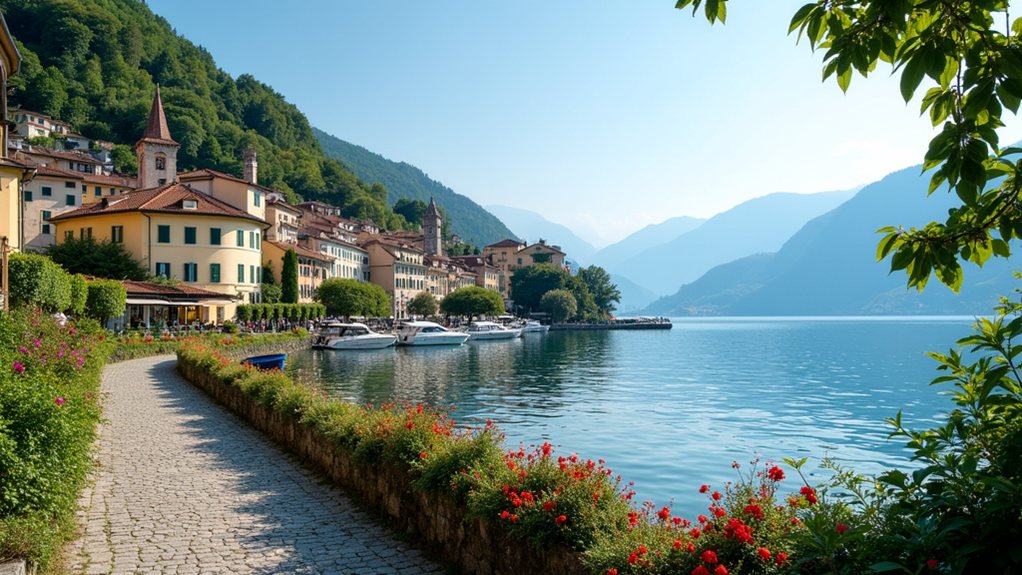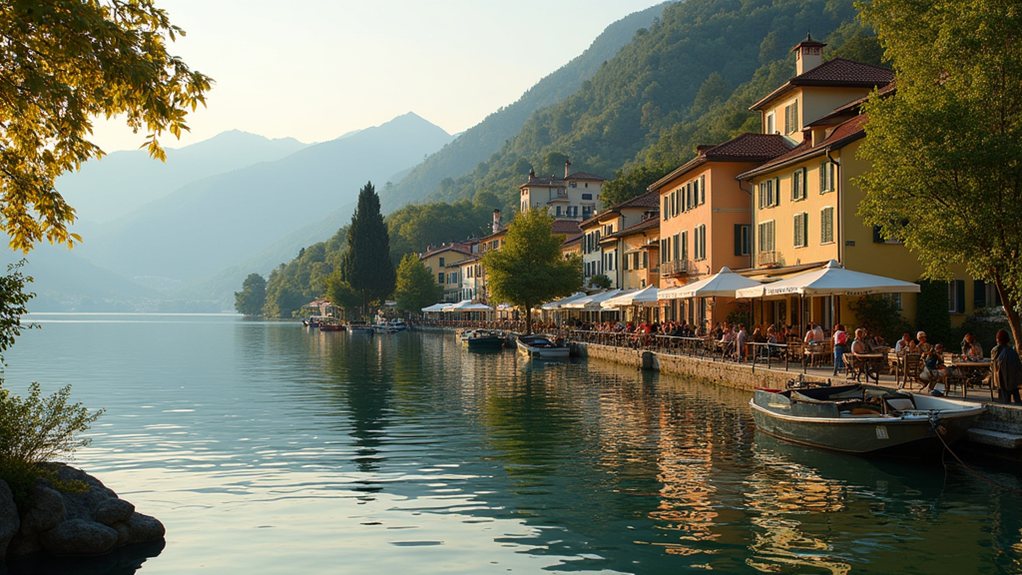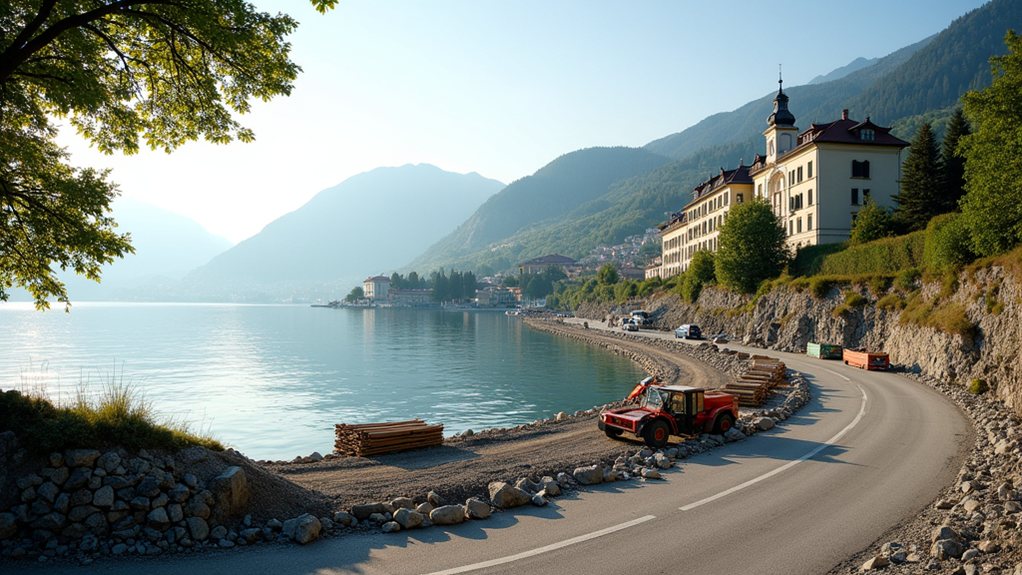
A wave of exciting infrastructure projects is reshaping the landscape of Lake Como, promising brighter days ahead for residents and visitors alike. In particular, the SS340 Regina Variante alla Tremezzina bypass road project stands out as a transformative development, designed to ease the infamous traffic congestion along the lake’s scenic west shore. With completion targeted for 2028 or 2029, towns like Colonno, Griante, and Menaggio are already preparing for the benefits that reduced bottlenecks will bring.
Fewer cars stuck in traffic means not only happier drivers but also a refreshing change—literally and figuratively—for the communities along the route. Additionally, average utility bills are expected to stabilize as improved infrastructure enhances overall living conditions.
Less traffic brings happier drivers and a breath of fresh air to every community along Lake Como’s scenic west shore.
Public transport is getting a major boost as well, with ongoing upgrades aimed at improving accessibility throughout the region. These enhancements are expected to make it much easier for both locals and tourists to move between towns without relying solely on private vehicles.
The improved public transport network promises to open up new opportunities for everyone, whether it’s a resident commuting to work or a visitor exploring the area’s picturesque villages. Enhanced accessibility is also a boon for local economies, as smoother connections tend to bring more people—and their business—to shops, restaurants, and rental properties.
As public transportation becomes more reliable and widespread, the region is likely to see a surge in rental demand. People looking for flexible living arrangements or short-term stays will find Lake Como even more attractive, knowing that getting around is a breeze. This increased demand aligns with international buyer demographics, particularly among affluent individuals seeking long-term investments.
With more renters and tourists flowing in, property values are expected to rise, particularly in towns poised to benefit from these improvements. This positive outlook is reinforced by recent zoning updates, which have made it harder to build new developments in historic and waterfront zones. By limiting new construction, these regulations help protect the charm and value of existing properties, ensuring that the real estate market remains strong and exclusive.
All together, these infrastructure projects represent a long-term investment in Lake Como’s future, supporting vibrant community living and maintaining the area’s unique appeal.
While the construction phase might require a bit of patience (and perhaps a sense of humor about detours), the payoff will be a region that’s easier to navigate, more connected, and even more desirable as a place to live and visit. Residents can look forward to a future where daily life is smoother, local businesses thrive, and the beauty of Lake Como is enjoyed by all.