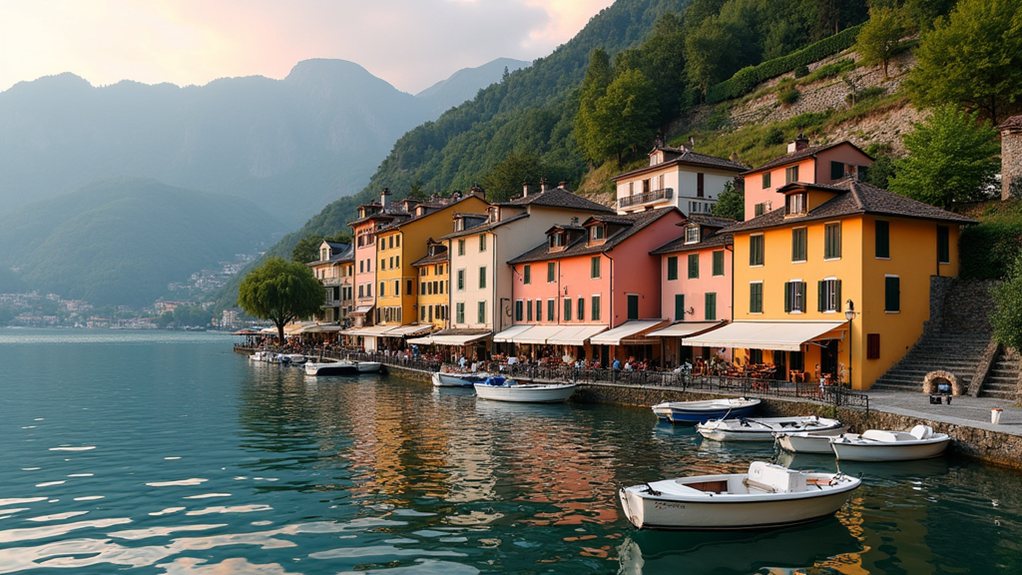

Although banking might seem like a world of silent vaults and serious suits, Italian banks are actually buzzing with high-tech activity behind the scenes, especially when it comes to monitoring rules. For people living around the picturesque shores of Lake Como, these rules are not just distant policies—they impact daily financial life in real and sometimes surprising ways. Italian banks, with their marble floors and history stretching back to the early 20th century, are required to keep a close eye on every transaction, big or small.
The days when banking was just about keeping coins safe are long gone; now, it’s also about keeping crime far away. To fight financial crime, Italy has some of the strictest Anti-Money Laundering (AML) rules in Europe. These rules aren’t just there for show; banks are required to do what’s called customer due diligence, which means checking who their clients really are and making sure their money comes from legitimate sources. This increased scrutiny aligns with the region’s investment viability and the need for transparency in property transactions.
Italian banks do more than protect your money—they’re frontline defenders against financial crime, with strict rules and vigilant customer checks.
Whether someone is opening a new account or making a large deposit from their villa overlooking Lake Como, the bank’s systems are quietly working in the background, collecting and storing information just in case it’s ever needed for an investigation. Much of this surveillance is required by the Bank of Italy, which acts a bit like a referee, making sure everyone plays by the rules.
There’s even an official document—Legislative Decree No. 231/2007—that spells out what banks must do. This includes regular audits and compliance checks, which are sort of like pop quizzes for banks to prove they’re paying attention. When a transaction looks fishy—maybe a sudden wire transfer from an unexpected country, or a pattern that doesn’t fit the customer’s usual behavior—the bank’s high-tech systems can flag it, and a Suspicious Activity Report (SAR) is sent to the Financial Intelligence Unit, a sort of detective squad for financial crimes.
Thanks to these evolving requirements, banks have had to upgrade their technology. The days of paper ledgers and feather pens are gone—now, there are advanced analytics, real-time alerts, and layers of digital checks. For Lake Como residents, this means that while their banking experience might feel modern and secure, it comes with new responsibilities and closer scrutiny. Additionally, understanding loan-to-value ratios is crucial for making informed financial decisions in this regulatory landscape.
Still, with all Rights Reserved for individual privacy and the safety of the financial system, these rules aim to protect both residents and the timeless reputation of the Italian banking world.