Foreigners dreaming of Lake Como life often make avoidable mistakes, like skipping vital ownership rule checks, forgetting due diligence, or underestimating strict renovation and heritage restrictions—especially tricky if the home is historic. Surprises don’t stop there: many underestimate hefty property taxes, closing fees, or the need for skilled local professionals like notaries and architects. Getting dazzled by the lake’s charm is easy, but smart buyers avoid these common blunders by arming themselves with the right knowledge—discovering even more practical tips ahead!
Key Takeaways
- Failing to verify property ownership rules and eligibility, especially for non-EU buyers, can lead to blocked or invalid purchases.
- Skipping due diligence and professional checks often results in unexpected legal disputes or zoning issues with Lake Como properties.
- Overlooking heritage and renovation restrictions may cause costly delays or denied permits for changes to historic homes.
- Underestimating property taxes, closing costs, and ongoing fees leads to budget shortfalls and financial surprises.
- Not hiring qualified local professionals increases the risk of legal errors, contract issues, and regulatory non-compliance.
Not Checking Lake Como Property Ownership Rules
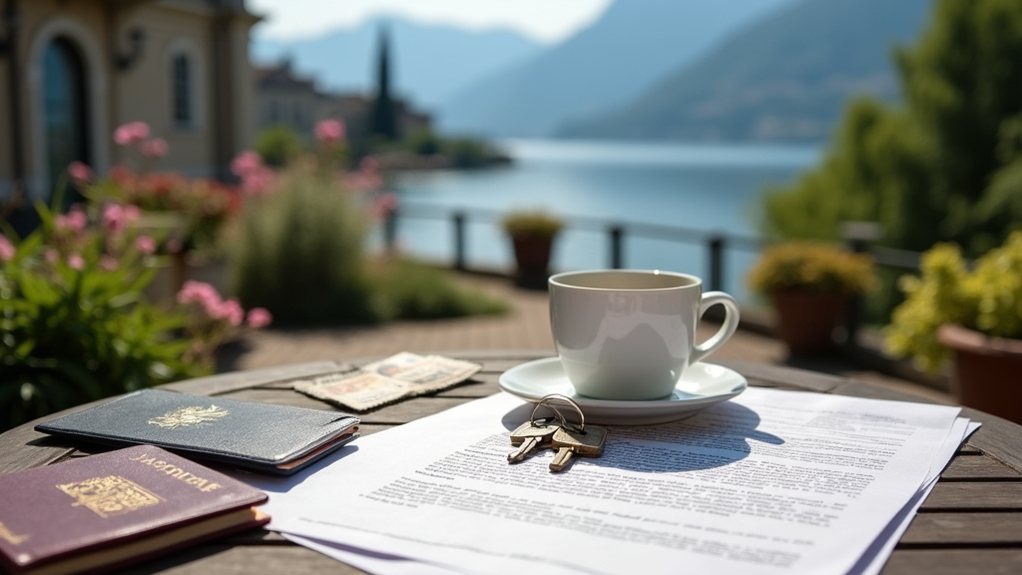
Before anyone starts dreaming of sipping espresso on a Lake Como terrace, it’s important to know the rules about owning property in this stunning region.
Foreign buyers are welcome, but non-EU buyers must pass Italy’s reciprocity principle—if your home country lets Italians buy property, you’re likely good to go. A notary will help with this essential check. Working with local real estate experts can also help buyers avoid missteps, as they understand the unique process and requirements specific to Lake Como.
Non-EU buyers can own Lake Como property if their country allows Italians to buy there—a notary will confirm this for you.
No need to worry about ownership quotas, but every buyer—no matter where they’re from—needs a Codice Fiscale, Italy’s tax ID. Without it, you can’t complete a purchase.
Understanding these basics helps buyers avoid surprises and keeps those Italian villa dreams alive. It’s also wise to be aware of the potential tax implications when purchasing property as a foreigner, as these can affect both the buying process and long-term ownership.
Neglecting Due Diligence When Buying Lake Como Property
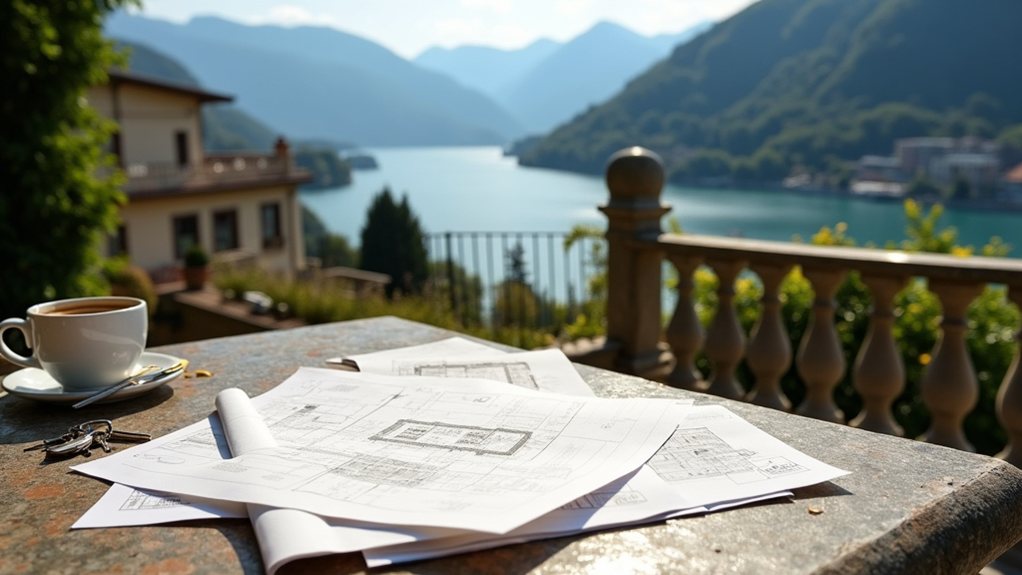
Diligence is the secret ingredient that transforms a Lake Como property dream into a smooth reality, yet it’s a step too many buyers overlook.
Foreign property buyers, dazzled by the views, sometimes skip vital checks—only to face unexpected headaches. Many overlook the importance of hiring a knowledgeable real estate agent, which can make navigating local regulations and market dynamics much easier.
Due diligence isn’t just paperwork; it’s protection. Without it, buyers risk legal disputes, hefty fines, or even losing their investment.
Key steps include:
- Confirm urban-planning compliance—ensure the property aligns with local rules.
- Check property zoning and permitted use—avoid nasty surprises about what you can or cannot do.
- Engage professionals—legal advisors and real estate agents catch hidden pitfalls.
Taking the time to understand additional costs like taxes and maintenance is also crucial, as these can significantly affect your overall investment and long-term satisfaction.
Overlooking Renovation and Heritage Restrictions in Lake Como
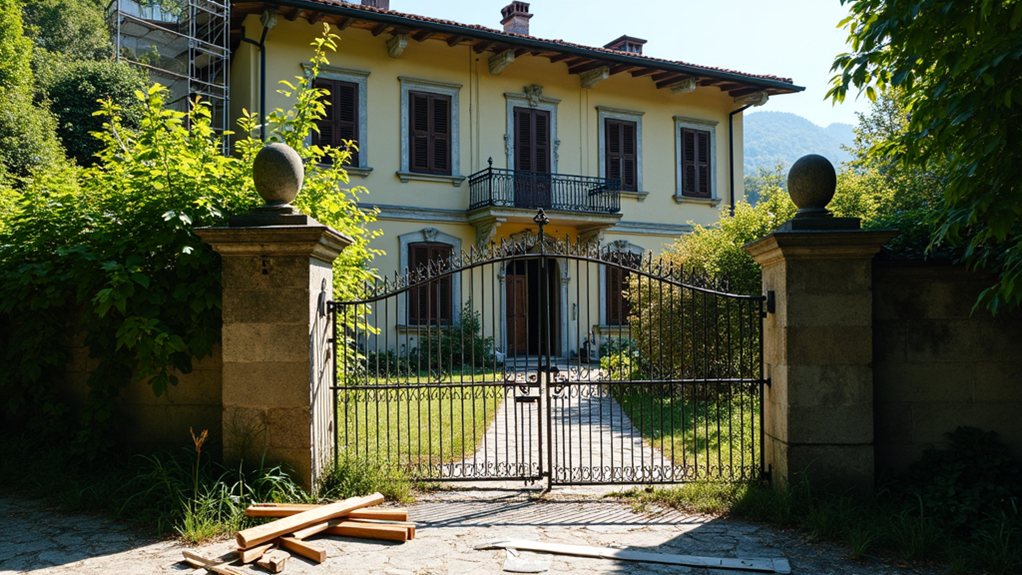
While many buyers focus on paperwork and legal checks, the excitement of owning a home in Lake Como can make it easy to miss something equally important—renovation and heritage restrictions.
Properties, especially historic gems, often come with strict heritage restrictions that can halt dreams of open kitchens or rooftop terraces unless planning permissions are granted. It’s also important to be aware of the hidden housing costs that can catch new residents off guard, such as high property taxes and ongoing maintenance fees.
Historic Lake Como homes may come with strict heritage rules that can put renovation plans like open kitchens or terraces on hold.
Maneuvering through these rules can be tricky and sometimes feels like solving a puzzle with missing pieces.
Renovation costs are also steep, often between €1,500 and €2,500 per m².
Smart buyers engage local architects and builders, ensuring their vision matches both legal standards and budget expectations.
It’s equally essential to understand the tenant rights that may affect your renovation plans, as local regulations are designed to protect both the property’s heritage and those residing within.
Underestimating Lake Como Property Taxes and Fees

How often do buyers get swept away by Lake Como’s sparkling waters, only to be blindsided by the real costs of ownership?
Buying property in Lake Como isn’t just about the purchase price; property tax and annual tax obligations can add up quickly and surprise even the savviest investors. Many new residents also overlook additional housing expenses like utilities and local fees, which can significantly impact your overall budget.
Consider these essential factors:
- Closing costs range from 11% to 18% of the purchase price, including registration taxes and notary fees.
- Annual property tax (IMU) can run from €1,200 to €10,000, depending on location and property type.
- Selling within five years may trigger a 26% Capital Gain Tax for foreign owners.
Many foreign buyers are attracted by Lake Como’s potential for rental income, but it’s crucial to factor in all taxes and fees before making a purchase.
Failing to Hire Qualified Local Professionals
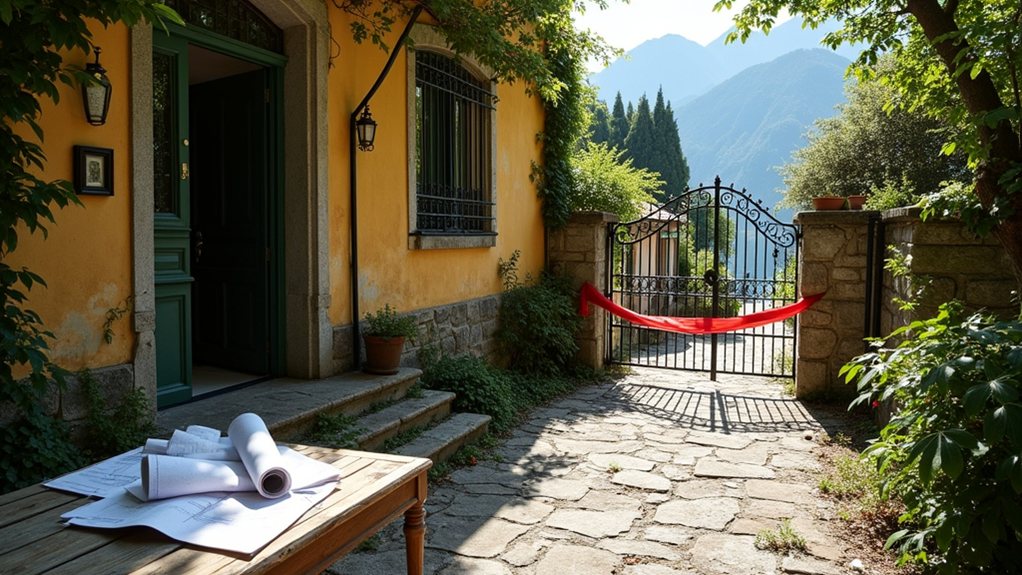
Jumping headfirst into the Lake Como property market can feel thrilling, but skipping the step of hiring qualified local professionals is a mistake that can quickly turn that excitement into stress. Local professionals—like architects or geometri—have valuable knowledge of Italian property laws and local regulations, making certain buyers avoid legal headaches. Hiring a qualified notary is not just smart; it’s required for drafting contracts and verifying property status. Without expert help, misunderstandings about short-term rental rules or renovations can lead to fines. For anyone new to the area, being prepared with the necessary documents to rent is just as crucial to avoid delays or legal issues during the process. The table below spotlights essential professionals:
| Professional | Why They’re Essential |
|---|---|
| Architect | Handles zoning, renovations |
| Qualified Notary | Guarantees legal compliance |
| Surveyor (Geometra) | Confirms property boundaries |
| Local Lawyer | Interprets Italian property laws |
| Real Estate Agent | Guides negotiations, local market |
Considering the financial implications and legal hurdles when renting or buying in Lake Como makes having experienced local guidance even more crucial.
Frequently Asked Questions
Where Does Taylor Swift Stay in Lake Como?
Taylor’s accommodations during her Lake Como trips reportedly include the luxurious Grand Hotel Tremezzo. This renowned hotel is a hotspot for celebrity sightings, offering privacy, stunning lake views, and exclusive amenities that attract high-profile guests seeking seclusion.
What’s the Catch With Italy’s $1 Homes?
With nearly 70% of $1 home buyers underestimating expenses, the real catch lies in $1 home drawbacks like unexpectedly high renovation costs and legal complexities, often involving strict local regulations and mandatory financial guarantees that risk forfeiture.
What Are the Pitfalls of Buying Property in Italy?
Pitfalls of buying property in Italy include traversing complex legal regulations, unexpected property taxes, and renovation challenges due to strict urban planning laws. Foreign buyers may also face difficulties understanding local compliance requirements and accurately estimating total purchase costs.
Is Lake Como Overrun With Tourists?
Sun-dappled promenades bustle during tourist season, as Lake Como’s cobbled streets fill with visitors. Yet, managing crowds becomes easier by heeding local recommendations, which often guide travelers toward tranquil villages and quieter inland retreats away from the main throngs.
Conclusion
Ironically, while many dream of savoring sunsets over Lake Como from their own balcony, they often stumble over paperwork instead of pebbles. Foreigners, dazzled by stunning views, sometimes forget that Italian property laws, heritage restrictions, and taxes aren’t quite as charming. By investigating ownership rules and hiring local experts, buyers can sidestep hidden pitfalls. After all, a little homework means more time for gelato on the terrace—and fewer surprises lurking in those picturesque hills.